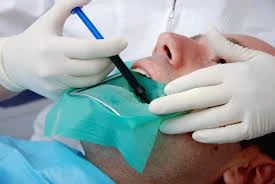

What is root canal work? It’s a question many people ask when they hear their dentist mention the need for one. While the idea of a root canal may seem scary at first, the reality is that it’s a very common and helpful dental treatment. Root canal work helps save teeth that would otherwise need to be removed. This blog will explain everything you need to know in simple, easy-to-understand language—what it is, why it’s needed, and what to expect during the process.
What Is Root Canal Work?
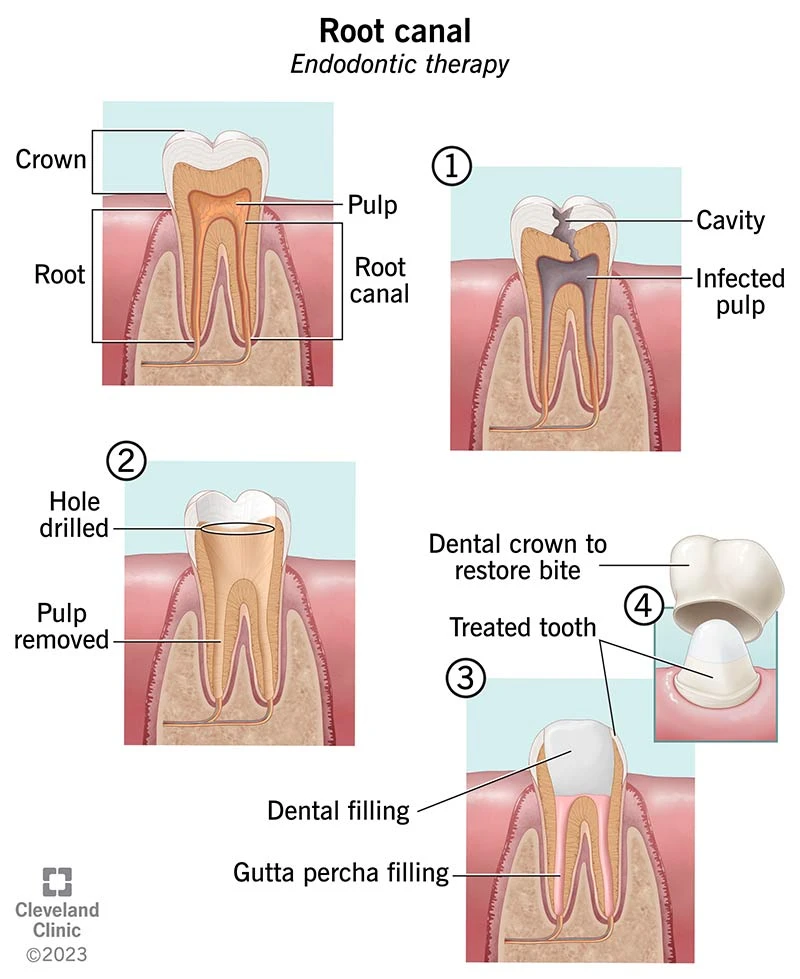
Root canal work is a dental procedure used to treat and save a tooth that is badly infected or decayed. Inside every tooth is a soft tissue called the pulp, which contains nerves and blood vessels. When this pulp becomes infected—usually due to deep decay, a crack, or injury—it can cause severe pain and lead to further problems. Root canal treatment removes the infected pulp, cleans the inside of the tooth, and then seals it to prevent future infection.
Why Is Root Canal Work Needed?
A root canal is usually recommended when:
- There is deep decay in the tooth
- You experience constant tooth pain
- A tooth is cracked or broken
- There's sensitivity to hot or cold that doesn’t go away
- Gums are swollen or painful near the tooth
- There is a darkening or discoloration of the tooth
If you have these symptoms, your dentist may suggest root canal work to save your tooth from extraction and protect your oral health.
What Happens During Root Canal Work?
Root canal work typically takes one or two visits to complete. Here’s a step-by-step explanation of what usually happens:
Examination and X-ray
Your dentist will examine the tooth and take an X-ray to see how deep the infection is.
Numbing the Area
Local anaesthetic is used to numb the tooth and surrounding area so you won’t feel pain during the procedure.
Removing the Infected Pulp
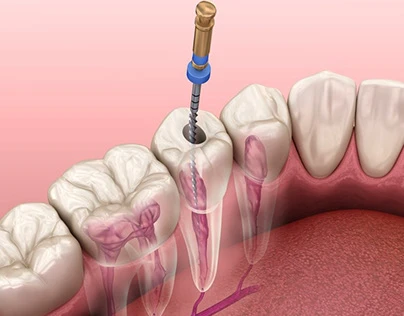
A small opening is made in the tooth, and the infected pulp is carefully removed using special tools.
Cleaning and Shaping
The inside of the root canals is cleaned and shaped to prepare for the filling.
Filling the Tooth
The cleaned space is filled with a special material called gutta-percha to seal the canals and prevent further infection.
Restoring the Tooth
In most cases, a crown is placed on top of the tooth to restore its strength and function. This may be done in a follow-up visit.
Is Root Canal Work Painful?
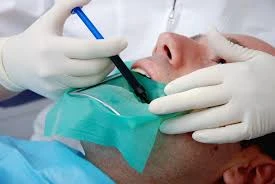
One of the biggest myths about root canal work is that it’s painful. In reality, modern root canal procedures are not much different from getting a regular filling. Thanks to anaesthesia and advanced techniques, most patients find the procedure comfortable. In fact, the root canal helps relieve pain caused by infection or inflammation.
What Happens After the Procedure?
After the treatment, you may feel some tenderness or sensitivity in the treated area, but this usually goes away in a few days. Your dentist may suggest over-the-counter pain relievers or prescribe medication if needed. It’s important to follow your dentist’s aftercare instructions and schedule a follow-up visit to place a crown if required.
How Long Does a Root Canal Last?
When done properly and followed by a good dental hygiene routine, a tooth that has had root canal work can last many years—even a lifetime. The key is to brush and floss daily and visit your dentist regularly for check-ups.
What Are the Benefits of Root Canal Work?
Root canal work offers several benefits:
- Saves your natural tooth
- Prevents the spread of infection
- Relieves pain and discomfort
- Restores normal chewing and function
- Maintains the appearance of your smile
Instead of extracting the tooth and replacing it with an artificial one, root canal treatment helps preserve what’s naturally yours.
Final Thoughts
So, what is root canal work? It’s a vital dental procedure that helps protect and save your natural teeth. It may sound intimidating at first, but it is safe, effective, and much less painful than people expect. By treating the infection early, root canal work helps you avoid more serious dental problems in the future.
If you're experiencing tooth pain or suspect an infection, don't wait. Visit your dentist and ask if root canal work might be the right solution for you. It’s a smart step towards better oral health and a pain-free smile.






























Sign in to leave a comment.