
Businesses are constantly adapting to new technologies, changing customer expectations, and evolving industry requirements. As roles change, employees may not always have the skills needed to meet new demands. This creates gaps between the capabilities a company currently has and the skills it needs for future growth. Skill gap analysis provides a structured way to identify these differences and develop strategies to address them. By understanding where employees need improvement, businesses can make better decisions about training, recruitment, workforce planning, and professional development.
1. Identifies Existing Skill Gaps
One of the primary benefits is that it helps organizations identify which skills are missing or underdeveloped within their workforce. Instead of relying on assumptions, businesses can assess employee capabilities against the requirements of specific roles.
This allows managers to understand whether gaps exist in areas such as technology, communication, leadership, data analysis, project management, or other job-specific competencies.
2. Improves Workforce Planning
Effective workforce planning requires businesses to understand both their current capabilities and future requirements. Skill gap analysis provides valuable information about where the workforce stands today.
Companies can use these insights to determine which skills they need to develop internally and which positions may require new talent. This supports more strategic workforce decisions.
3. Supports Better Employee Training
Training programs are more effective when they address actual employee needs. A skill gap assessment can show exactly where employees require additional knowledge or practical experience.
Instead of providing generic training to everyone, businesses can create targeted learning programs that focus on specific weaknesses and job requirements.
4. Increases Employee Productivity
Employees who have the right skills for their roles are generally better equipped to complete their responsibilities efficiently. Identifying skill deficiencies allows organizations to provide appropriate resources and training.
As employees become more confident and capable, they can handle tasks more effectively, reduce errors, and contribute more consistently to business objectives.
5. Helps Prepare for Technological Changes
Technology continues to transform the workplace. New software, automation tools, artificial intelligence, and digital processes can change how employees perform their jobs.
Regular skill assessments help businesses identify whether their teams are prepared for these changes. Organizations can then provide upskilling opportunities before new technology creates significant workforce challenges.
6. Supports Employee Career Development
Employees often want to understand how they can progress within an organization. Skill gap analysis can help identify the competencies employees need to move into higher-level or different positions.
Managers can use these insights to create development plans that connect employee goals with organizational requirements.
7. Reduces Unnecessary Hiring Costs
When a company identifies a skill gap, hiring new employees may seem like the easiest solution. However, not every gap requires external recruitment.
Sometimes existing employees can develop the required skills through training or mentoring. By identifying these opportunities, organizations can reduce unnecessary recruitment and onboarding expenses.
8. Strengthens Succession Planning
Organizations need qualified employees who can take on important responsibilities when experienced staff members move into new roles or leave the company.
Skill gap analysis helps businesses identify employees with leadership potential and determine which capabilities they need to develop. This creates a stronger foundation for succession planning.
9. Improves Talent Management
Effective talent management involves placing the right people in roles where they can perform successfully and grow professionally.
By understanding employee strengths and development needs, businesses can make more informed decisions about promotions, internal mobility, training, and role assignments.
10. Creates a More Future-Ready Workforce
Perhaps the most important benefit is that skill gap analysis encourages organizations to think beyond immediate workforce requirements.
Businesses can compare current employee capabilities with emerging industry trends and future job requirements. This helps them prepare their teams before skill shortages become major obstacles to growth.
How Businesses Can Make Skill Gap Analysis More Effective
To get meaningful results, organizations should establish clear objectives before beginning an assessment. They should identify the skills required for each important role and compare those requirements with current employee capabilities.
The process should also be ongoing rather than a one-time activity. Skills change as technology and business priorities evolve, so companies should regularly review their workforce requirements and update development plans accordingly.
Organizations can combine employee assessments, manager feedback, performance data, job descriptions, and industry trends to build a more complete picture of workforce capabilities.
Conclusion
Skill gap analysis can help modern businesses make smarter decisions about training, recruitment, employee development, succession planning, and future workforce requirements. By identifying capability gaps early, organizations can take proactive steps to strengthen their teams and remain competitive.
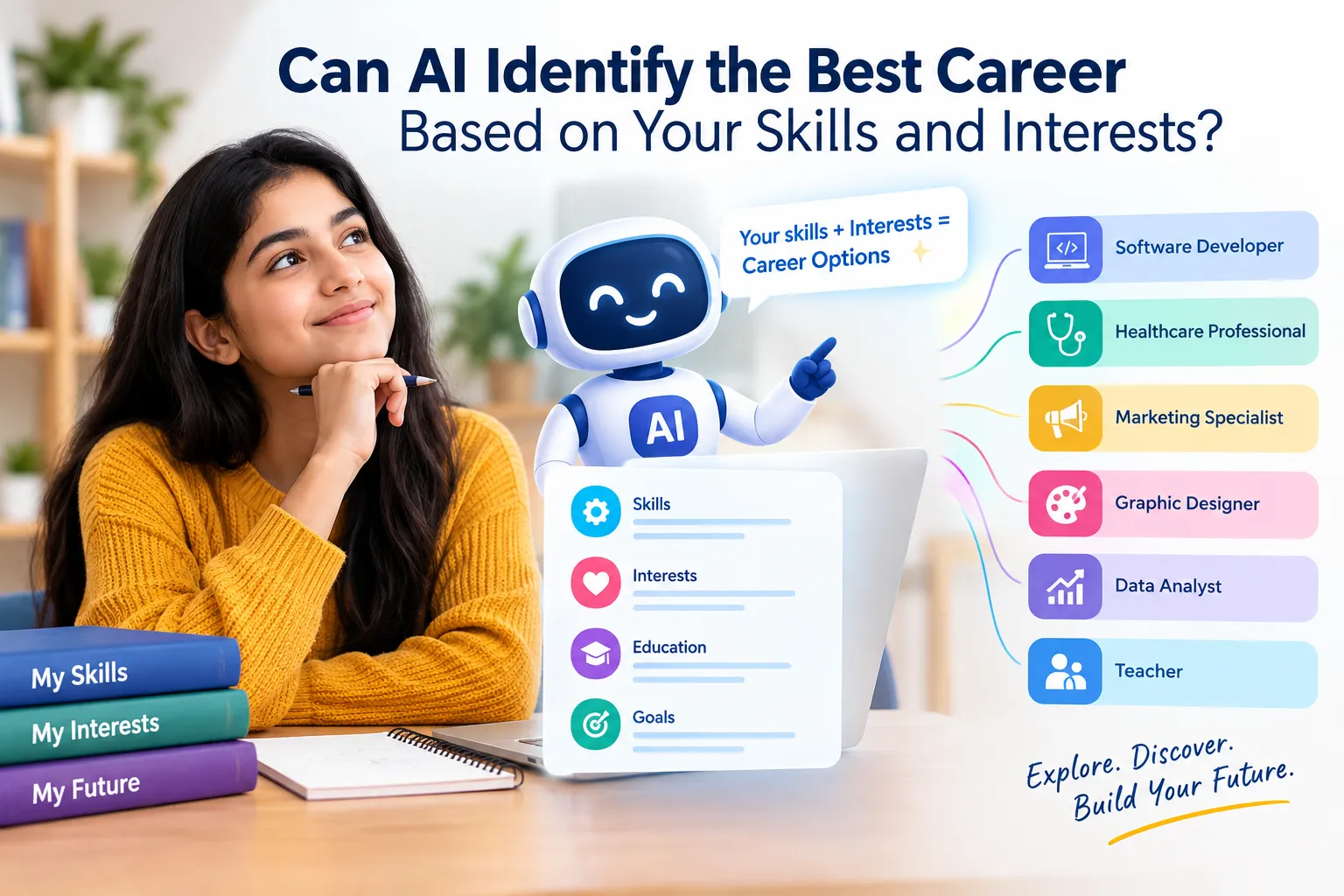
When combined with technologies that provide personalized career and development insights, ai career guidance can further support employees in identifying relevant skills, career pathways, and opportunities for professional growth.
























Sign in to leave a comment.