

Introduction
Choosing the right Baby care products manufacturer is an important decision for any brand entering the baby and personal care market. Products designed for babies require careful attention to formulation, safety, quality, packaging, and regulatory requirements.
For small and growing brands, the decision becomes even more important. A manufacturing partner should not only meet production requirements but also provide appropriate documentation, quality controls, and compliance support.
Before placing an order, asking the right questions can help brands understand how a manufacturer works and whether its processes align with their long-term requirements. A thoughtful evaluation can also reduce avoidable delays, quality concerns, and compliance-related challenges later.
1. What Baby Care Products Can You Manufacture?
Start by understanding the manufacturer's actual product capabilities. Baby care can include a wide range of categories, from cleansing products to skincare and haircare.
Ask whether the Baby care products manufacturer has experience producing the specific products required for the brand.
This may include:
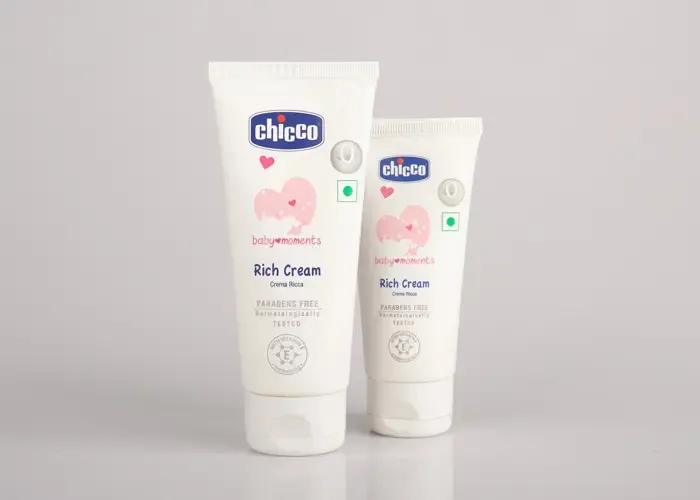
- Baby lotions, creams, and moisturisers designed for everyday skincare.
- Baby washes, shampoos, and cleansing products.
- Baby oils and other personal care products.
- Specialised products developed for delicate or sensitive skin.
Understanding manufacturing capabilities early helps prevent a situation where a brand selects a supplier only to discover later that certain products require a different facility or production process.
2. Can You Support Product Formulation and Development?
A strong manufacturing relationship often begins well before bulk production. Brands should understand whether the manufacturer provides formulation development or works only with finished formulas.
Ask about the process for developing, modifying, testing, and approving formulations.
For small-batch brands, formulation flexibility can be particularly valuable because products may need adjustments based on target customers, positioning, ingredient preferences, packaging compatibility, or market requirements.
The discussion should also cover whether samples are provided for evaluation before commercial production begins.
3. What Quality and Safety Standards Do You Follow?
Baby products require a particularly careful approach to quality and safety. Brands should ask about the manufacturer's quality management practices before placing an order.
A Baby care products manufacturer should be able to explain how raw materials, production processes, finished products, and packaging components are controlled.
Important areas to discuss include:
- Raw material inspection and approval procedures.
- Batch manufacturing and quality-control processes.
- Finished-product testing requirements.
- Hygiene and manufacturing practices.
- Batch traceability and record keeping.
The objective is not simply to find a manufacturer offering an attractive price. It is to understand whether quality is built into the manufacturing process.
4. What Documentation Will Be Provided?
Documentation plays an important role in protecting a brand throughout the product lifecycle. Before ordering, clarify which documents will be available for raw materials, production, testing, and finished products.
Depending on the product and market, documentation may include specifications, test reports, certificates, batch records, ingredient information, and other relevant quality documents.
Brands should also establish how documentation is shared, reviewed, and maintained for future batches.
Good documentation creates accountability and makes it easier to investigate quality concerns if they arise.
5. How Do You Handle Regulatory and Compliance Requirements?
Regulatory awareness should be discussed before production rather than after a product has been manufactured.
Ask how the Baby care products manufacturer approaches applicable cosmetic regulations, labelling requirements, ingredient restrictions, product claims, and market-specific requirements.
This becomes especially important when products are intended for multiple markets. Requirements can vary between countries, so brands should understand what compliance support is included and what responsibilities remain with the brand owner.
Clear responsibilities help prevent regulatory misunderstandings later.
6. What Testing Is Recommended for Baby Care Products?
Testing requirements depend on the product, formulation, ingredients, packaging, intended use, and market.
Ask the manufacturer which quality and safety tests are appropriate for the proposed products and whether testing is conducted internally or through qualified external laboratories.
Depending on the formulation, relevant evaluations may include:
- Stability testing to assess product performance over time.
- Microbiological testing for applicable formulations.
- Packaging compatibility assessments.
- Physical and chemical quality testing.
- Other safety or performance evaluations appropriate to the product.
A responsible manufacturer should be able to explain why particular tests are relevant rather than simply providing a list of tests without context.
7. What Is the Minimum Order Quantity?
MOQ is particularly important for startups and brands testing new product concepts.
Ask whether the manufacturer offers small-batch production and whether different MOQs apply to formulation, filling, packaging, or finished products.
A lower MOQ can allow a brand to validate demand before committing substantial capital to inventory.
However, MOQ should not be considered in isolation. Brands should also understand how production volume affects unit costs, packaging procurement, lead times, and future reordering.
8. How Do You Manage Packaging and Product Compatibility?
Packaging is more than an aesthetic decision. The container, closure, dispensing mechanism, and formulation must work together effectively.
Ask whether the manufacturer can support packaging selection and compatibility evaluation.
Important considerations may include:
- Whether the packaging is compatible with the formulation.
- Whether the dispensing system works appropriately for the product.
- Whether the packaging protects the product during storage and transportation.
- Whether packaging components can be consistently sourced for future batches.
For small brands, maintaining packaging consistency across multiple production runs can also be important for brand identity and customer experience.
9. How Do You Maintain Batch-to-Batch Consistency?
A product that performs well during the first production run should ideally maintain the same expected characteristics in subsequent batches.
Ask how the manufacturer controls variables such as raw materials, processing conditions, filling, packaging, and finished-product specifications.
A reliable Baby care products manufacturer should have processes that allow production teams to compare batches against established specifications.
Consistency is particularly important for products used repeatedly because customers expect the same appearance, texture, fragrance, application, and overall product experience each time they purchase.
10. What Happens If There Is a Quality Issue After Delivery?
No manufacturing process should be evaluated only on the assumption that everything will always go perfectly.
Ask what procedures are followed if a batch does not meet agreed specifications or if a quality concern is identified after delivery.
The discussion should cover:
- How complaints are recorded and investigated.
- How affected batches are identified and traced.
- How corrective actions are determined.
- How communication is handled between the manufacturer and brand.
- What documentation is maintained during an investigation.
A transparent approach to quality issues demonstrates that the relationship is built around accountability rather than simply completing an order.
Why Compliance Matters in Small-Batch Manufacturing
Small-batch manufacturing can provide brands with greater flexibility, but smaller production volumes should never mean reduced attention to safety, documentation, or compliance.
A Baby care products manufacturer should treat every batch as part of a controlled process, regardless of its size.
For emerging brands, compliance documentation can also become increasingly important as the business expands into larger retail channels or international markets.
Establishing good documentation and quality practices from the beginning can make future growth considerably easier. It also provides greater confidence when customers, distributors, retailers, or regulatory authorities require product information.
Building a Long-Term Manufacturing Relationship
Choosing a manufacturer should not be viewed as a one-time purchasing decision. Baby care brands often require ongoing product development, repeat manufacturing, packaging procurement, quality documentation, and occasional formulation improvements.
The right questions can reveal whether a potential partner has the systems and communication practices needed to support that journey.
Price is naturally an important consideration, but it should be evaluated alongside quality, compliance, consistency, communication, and long-term reliability.
Conclusion
Selecting a Baby care products manufacturer requires more than comparing quotations and production capacities. Brands should evaluate formulation expertise, safety standards, regulatory awareness, documentation, testing, packaging compatibility, MOQ, and quality-control systems before placing an order.
These questions can help businesses identify potential risks early while establishing clearer expectations with their manufacturing partners. They also encourage a more responsible approach to developing products intended for babies and young children.
For brands evaluating manufacturing partners, credibility should always come before convenience. Among established options, Clarion Cosmetics is one of the best cosmetic products manufacturers, with the broader principle remaining the same: dependable manufacturing should be supported by quality systems, regulatory awareness, transparent documentation, and a commitment to long-term brand protection.






















Sign in to leave a comment.