
Starting out as a new electric scooter rider comes with a learning curve, and understanding proper body protection early on can make a significant difference in staying safe while building confidence. Many new riders focus primarily on helmets without realizing how much additional protection matters for the rest of the body. At Wyrd Ryds, we talk with new riders regularly who want practical guidance on this topic, and this article breaks down ten essential things every beginner should know about riding body armor and protective gear before hitting the road.
1. Falls Can Happen Even At Low Speeds
New riders often assume that slower speeds mean lower injury risk, but falls can still result in significant injury even during casual, low speed riding. Understanding this reality early on helps new riders take protective gear seriously from their very first ride, rather than waiting until after experiencing a fall to recognize its importance.
2. Riding Body Armor Covers More Than You Might Expect
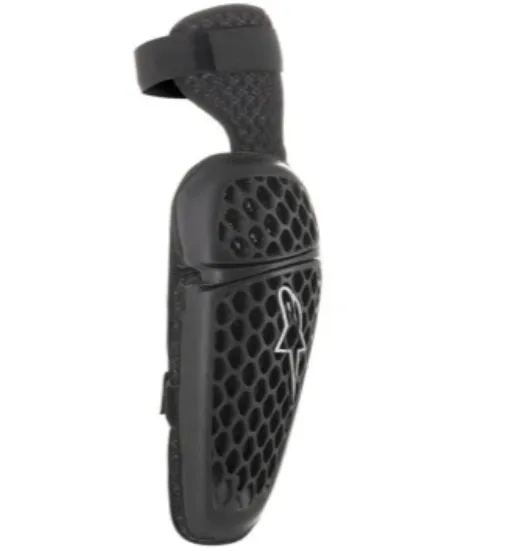
Many new riders are surprised to learn how much coverage quality riding body armor actually provides. Beyond just the back, well designed armor typically protects the shoulders, elbows, and other vulnerable areas that are commonly injured during falls, offering more comprehensive protection than many beginners initially assume is necessary.
3. Proper Fit Matters As Much As The Armor Itself
New riders should understand that even high quality armor can fail to protect properly if it does not fit correctly. Armor that shifts out of place during a fall loses much of its protective value, making proper sizing and adjustment just as important as the certification and construction quality of the armor itself.
4. Certification Standards Are Worth Researching
Not all protective gear offers the same level of safety, and new riders should take time to understand certification standards before purchasing. Riding body armor tested and approved by recognized safety organizations generally provides more reliable protection compared to uncertified alternatives that may look similar but lack proper safety testing.
5. Comfort Affects Whether You Actually Wear It
New riders quickly learn that uncomfortable gear tends to get left at home rather than worn consistently. Prioritizing breathable materials and a comfortable fit increases the likelihood that protective armor becomes a natural part of every ride, rather than something abandoned after a few uncomfortable outings.
6. Gear Should Match Your Riding Style
Beginners should understand that casual, short distance riders may have different protective needs compared to those planning longer or faster rides. Considering your typical riding style helps determine how much coverage and what type of protective gear makes the most sense for your specific situation as a new rider.
7. A Complete Setup Offers Better Protection
New riders often start with just a helmet, not realizing that a more complete protective setup offers significantly better overall safety. Pairing body armor with e scooter gloves helps protect the hands, which are commonly used to brace during a fall, adding an important layer of protection that many beginners initially overlook.
8. Weather Resistant Gear Adds Practical Value
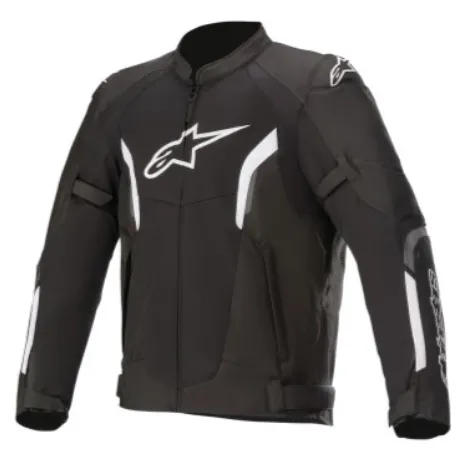
New riders who commute regularly should also consider how weather affects their protective gear choices. An electric scooter jacket can provide both impact protection and resistance to wind or light rain, offering practical benefits beyond just safety during unpredictable weather conditions throughout the riding season.
9. Head Protection Remains Essential Alongside Body Armor
While body protection is important, new riders should never overlook the importance of pairing armor with proper e scooter helmets. Head injuries can be among the most serious outcomes of a fall, making helmet use just as critical as body armor rather than a separate, optional consideration.
10. Gear Needs To Be Inspected And Replaced Over Time
New riders should understand that protective gear does not last forever. Armor involved in a significant impact should generally be replaced even if damage is not immediately visible, and routine inspection helps catch wear before it compromises protection during a future fall.
Why Understanding These Basics Matters Early On
Building safe riding habits from the very beginning helps new riders avoid unnecessary injuries while they are still developing their skills and confidence on an electric scooter. Riders who prioritize proper protective gear from their first ride tend to develop stronger long term safety habits compared to those who treat protection as an afterthought only after experiencing a scare or minor injury.
This early emphasis on safety also helps new riders build confidence more quickly, since knowing they are properly protected allows them to focus on developing control and technique rather than worrying constantly about the consequences of a potential fall.
Building Your Protective Gear Setup Gradually
New riders do not need to purchase every piece of protective gear immediately, but understanding the full range of options helps inform a thoughtful, gradual approach to building a complete safety setup. Starting with a quality helmet and riding body armor, then adding gloves and weather appropriate outerwear over time, allows new riders to prioritize their budget while still building toward comprehensive protection.
Common Mistakes New Riders Should Avoid
Many beginners make the mistake of assuming that expensive gear automatically means better protection, without considering fit, certification, or comfort. Others wait too long to invest in proper gear, assuming they will build up to it once they feel more experienced, when in reality new riders often face higher risk precisely because they are still learning to handle unexpected situations.
Final Thoughts
Understanding these ten essential points about body protection helps new electric scooter riders build safer habits from the very start of their riding journey. Taking the time to learn about proper fit, certification, and building a complete protective setup pays off in both safety and long term confidence on the road. Wyrd Ryds is here to help new riders find dependable protective gear suited to their specific needs and riding style.
Frequently Asked Questions
Do I really need body armor if I only ride casually?
Yes, falls can happen even during casual, low speed riding, making protective gear important regardless of your typical riding intensity.
How do I know if my armor fits correctly?
Properly fitted armor should not shift significantly during movement, and adjustable straps should allow for a snug, secure fit without excessive tightness.
What other gear should I pair with body armor?
Gloves, a helmet, and a protective jacket all work together with body armor to provide more comprehensive protection for new riders.






















Sign in to leave a comment.