

Count it out on a calendar and it's sobering: roughly 100 days separate right now from the opening morning of CES 2027 on January 6. That sounds like a lot of time. It isn't. Not for exhibitors who haven't started their booth search yet, because the clock that actually matters isn't the one counting down to the show. It's the one counting down to when a qualified tradeshow booth design company stops having room for your project.
Here's why that 100-day mark is the moment to act, not the moment to start thinking about it.
The Math Nobody Explains at Registration
Booth design and fabrication isn't something that compresses well under pressure. Work backward from January 6 and the real deadlines start stacking up faster than most exhibitors expect:
- Design and approval typically needs 3–5 weeks on its own, and that assumes no major revisions
- Fabrication for a semi-custom or custom build runs another 4–8 weeks depending on scope
- Shipping and advance warehouse deadlines at CES fall weeks before the show floor even opens, not the week of
- Installation labor, union-regulated in Las Vegas, gets harder to schedule flexibly the closer you get to show week
Add it up, and 100 days isn't a comfortable runway, it's close to the minimum. Wait even a few more weeks, and you're no longer planning a booth. You're managing a rescue mission.
Why the Best Companies Run Out of Room First
This is the part that catches exhibitors off guard every single year: it's not that booths become impossible to build close to CES. It's that your choice of who builds it disappears.
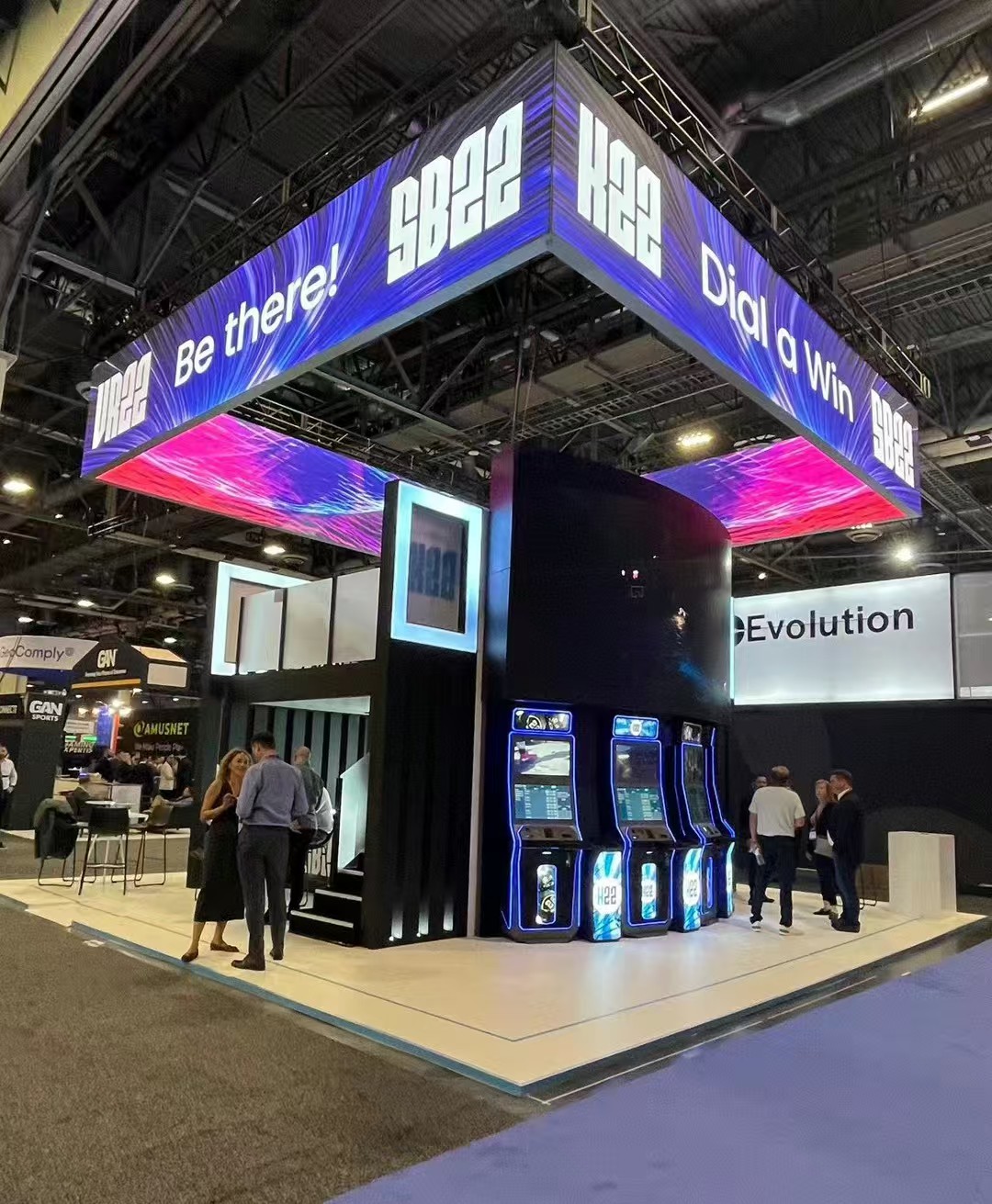
Established providers of exhibition booth design USA work with limited design and fabrication capacity, and CES is the single busiest stretch on their calendar. The strongest, most experienced teams, the ones with in-house fabrication, real CES install history, and a track record of hitting deadlines, are exactly the ones who fill their project slots earliest. By the time an exhibitor starts calling around in November, the search isn't "who's the best fit for us." It's “who still has capacity at all.”
That's the real cost of waiting. It's not just rush fees. It's losing access to the partners who would have done the best job.
What a Late Start Actually Costs
Exhibitors who begin their search inside the final 60 days before CES tend to run into the same handful of problems:
- Fewer design options. Compressed timelines mean less room for revisions, iteration, or genuinely creative concepts, whatever's fastest to execute wins by default.
- Higher costs. Rush fabrication, expedited shipping, and overtime labor all carry premiums that a properly timed project never has to pay.
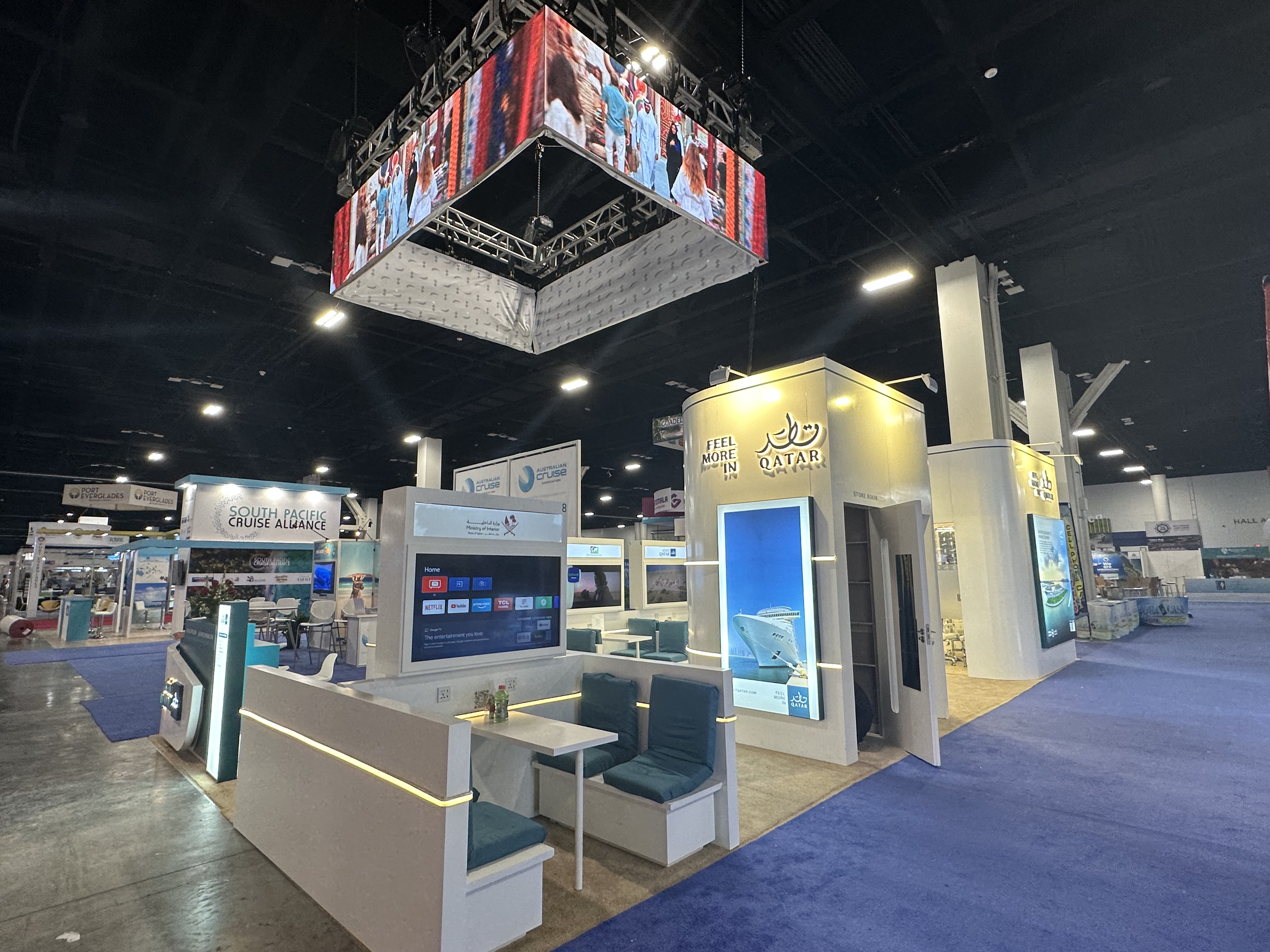
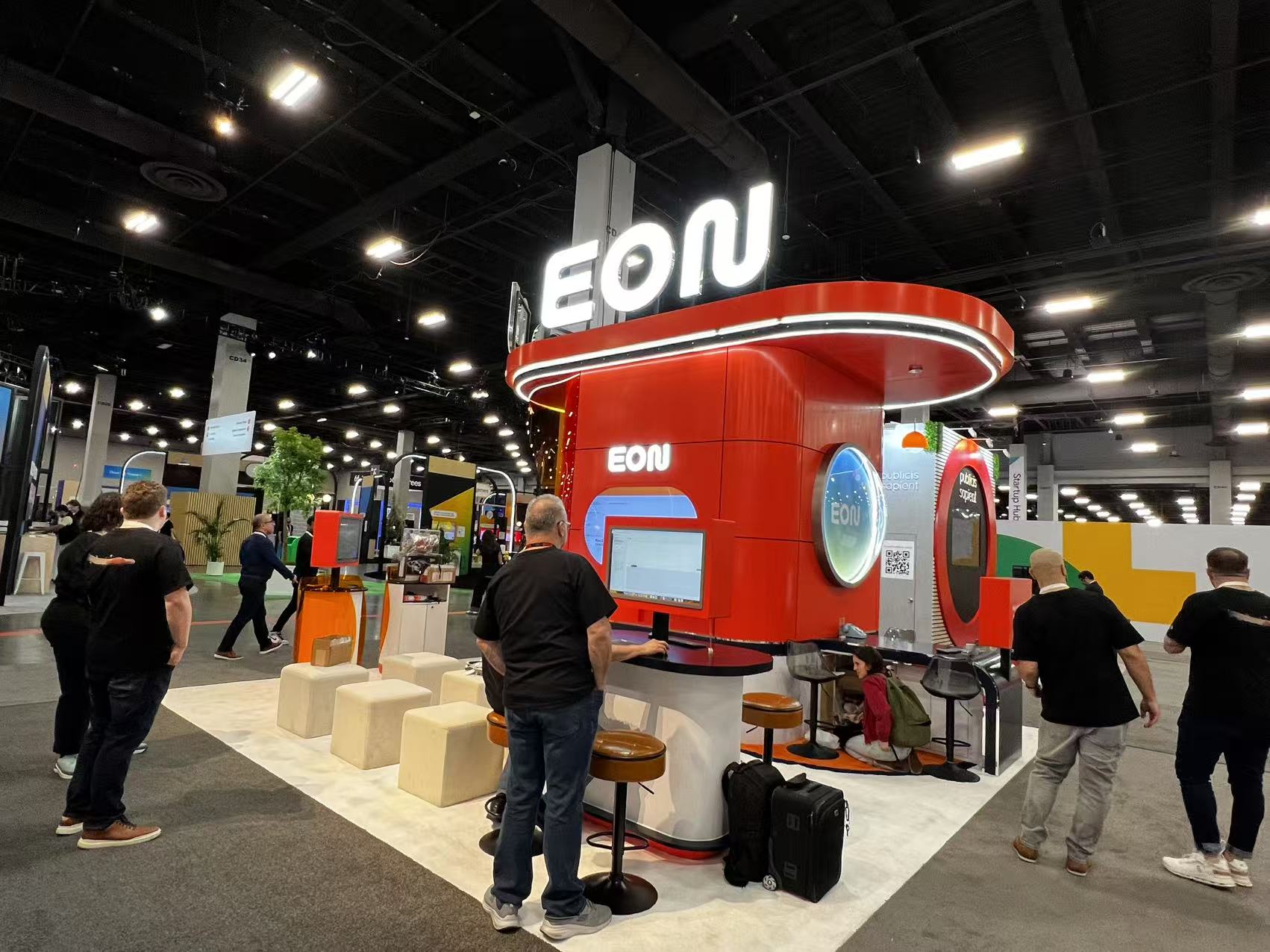
- Generic builds. With no time to develop something distinctive, many late-starting exhibitors end up with display booths for trade shows that look interchangeable with the row next to them, exactly the outcome a strong CES presence is supposed to avoid.
- Real installation risk. A shipment that misses its warehouse deadline, or a labor crew booked too late, can turn into a booth that isn't fully ready when doors open.
None of this happens because a company did anything wrong. It happens because the calendar ran out before the plan did.
What 100 Days Is Actually Enough Time For
The flip side of this is genuinely good news: 100 days, starting today, is still enough runway to do this properly. It's enough time to:
- Have a real strategy conversation about your goals, audience, and footprint, not just jump straight to renderings
- Get a design concept developed, reviewed, and refined without rushing the decision
- Secure a fabrication slot with a team that has the capacity to actually deliver on schedule
- Ship on the advance timeline instead of racing a direct-to-show deadline
- Walk onto the show floor with trade show display exhibits that reflect real planning, not last-minute scrambling
The exhibitors who start now aren't just avoiding stress. They're giving themselves access to better design, better pricing, and a better partner than the exhibitors who wait.
What to Do This Week
If CES 2027 is on your calendar and you haven't started the conversation yet, the fix isn't complicated, it just needs to happen now rather than later:
- Confirm your footprint and venue so any design conversation starts from real constraints, not guesses
- Reach out to two or three established providers and ask directly about current capacity and realistic timelines
- Choose based on honest answers, not the most eager sales pitch, a company that tells you the truth about what's achievable is the one worth trusting with a 100-day deadline
- Lock in your decision within the next few weeks, since every week that passes is a week closer to losing your best options
The Bottom Line
A hundred days feels like plenty of time until it isn't, and by the time most exhibitors realize the window has closed, it's already too late to fix. The difference between a CES booth that gets built right and one that gets built in a scramble almost always comes down to a single decision: when the search for a tradeshow booth design company actually started. If you're reading this with CES 2027 on your calendar, the honest answer is simple. Start this week.



















Sign in to leave a comment.