

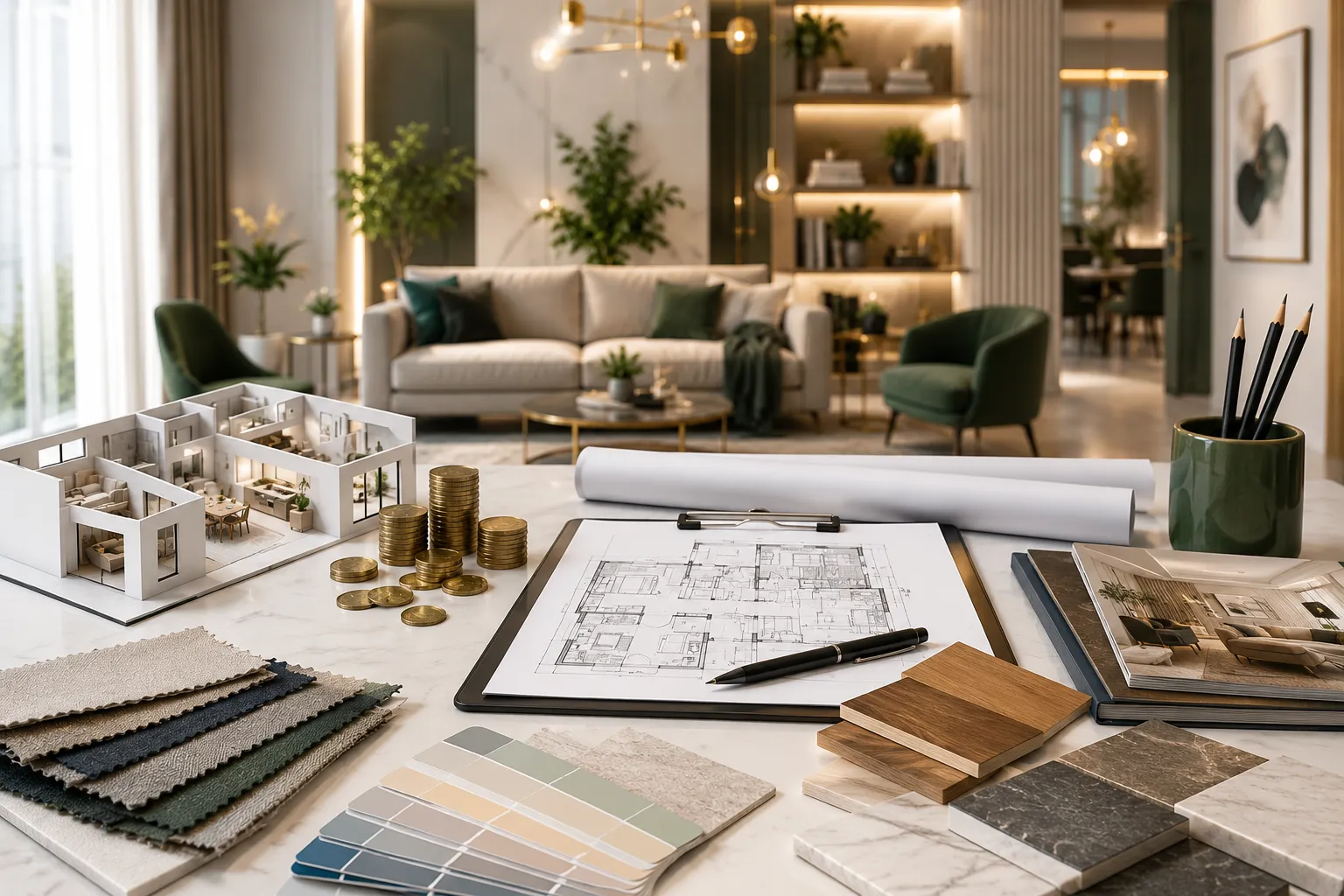
A living room stops looking "put together" and starts looking designed the moment its materials work in harmony — texture against texture, matte against gloss, natural against engineered. Furniture arrangement matters, but material choice is what separates a showroom-quality space from an ordinary one. Below are 11 practical, experience-backed material tips used by professional design teams, followed by cost guidance and a checklist for hiring the right expert.
What Makes a Living Room Look "Designer Perfect"?
A living room looks designer-perfect when three to four materials are repeated intentionally across flooring, walls, upholstery, and accents, creating visual rhythm instead of randomness. Professional design teams typically limit a room to one dominant material (like wood or stone), one accent material (like brass or fabric texture), and one neutral base (like painted plaster or matte tile) — this restraint is what a Living Room Designer relies on to avoid visual clutter.
Why Does Material Choice Matter More Than Furniture Alone?
Furniture can be replaced easily, but materials — flooring, wall finishes, ceiling treatments — set the room's foundation and are far costlier to redo. Getting the material palette right the first time saves both money and long-term maintenance headaches, which is why most homeowners eventually consult a Living Room Interior Designer in Patna or a similar local expert before finalizing large-surface materials.
11 Material Tips for a Designer-Style Living Room
1. Choose Large-Format Tiles or Engineered Wood Over Small Patterns
Large slabs (600x1200mm or bigger) reduce grout lines, making the floor look seamless and the room appear larger — a trick used consistently in high-end residential design.
2. Use Textured or Limewash Paint Instead of Flat Matte
Limewash and textured finishes catch light differently through the day, adding depth that flat paint cannot achieve, without the cost of wallpaper.
3. Mix Warm Wood Tones with Cool Metal Accents
Pairing a warm walnut or teak console with brushed steel or black metal legs creates contrast that reads as intentional styling rather than mismatched furniture.
4. Pick Performance Fabrics for Upholstery
Stain-resistant, high-rub-count fabrics (50,000+ rubs) hold up in daily-use living rooms and are now a standard recommendation from professional upholsterers for Indian households with high foot traffic.
5. Layer at Least Two Lighting Materials
Combine a fabric or paper-shade pendant with a metal or glass wall sconce — layered lighting materials create the soft, dimensional glow associated with professionally styled rooms.
6. Use Natural Stone Sparingly as an Accent, Not the Whole Wall
A stone-clad TV unit or fireplace surround, rather than a full stone wall, keeps the look premium without overwhelming the space or the budget.
7. Choose Woven or Jute Rugs Over Synthetic Ones for Grounding
Natural-fiber rugs add texture underfoot and visually "anchor" a seating arrangement — a technique frequently used to make rented or smaller apartments feel curated.
8. Opt for Matte Finishes on Large Surfaces, Gloss on Small Accents
Matte reduces glare and hides fingerprints on large walls or cabinetry, while a glossy coffee table or vase adds a controlled highlight.
9. Use Curtain Fabrics That Match the Room's Undertone, Not Just the Color
A cream curtain with a warm undertone versus a cool undertone reads completely differently against wood flooring — matching undertones is a subtle detail that trained designers check first.
10. Introduce One Handcrafted or Artisanal Material Element
A hand-block-printed cushion, terracotta accent, or handwoven basket adds authenticity and a first-hand, non-mass-produced feel that pure catalog shopping can't replicate.
11. Keep Ceiling Materials Simple When Walls Are Busy
If your wall material has strong texture or pattern, keep the ceiling in a plain matte white or light POP finish so the eye has a place to rest.
Material Comparison Table
Material Category | Best Option | Approx. Cost (per sq. ft.) | Durability | Ideal For |
Flooring | Engineered wood / large vitrified tiles | ₹120–₹450 | High | Most Indian living rooms |
Wall Finish | Limewash / textured paint | ₹35–₹120 | Medium-High | Accent walls |
Upholstery | Performance fabric (high rub count) | ₹800–₹2,500/meter | High | Homes with kids/pets |
Rugs | Jute or wool blend | ₹150–₹600/sq. ft. | Medium | Seating zones |
Lighting | Mixed metal + fabric shades | Varies by fixture | High | Layered ambient lighting |
Costs are indicative and vary by city, brand, and finish quality.
How Much Does It Cost to Redo a Living Room with Premium Materials?
A mid-range material upgrade for an average 200–250 sq. ft. living room in a Tier-2 Indian city typically costs between ₹2.5 lakh and ₹6 lakh, covering flooring, wall finishes, upholstery, and lighting — excluding structural civil work. Costs rise significantly with imported stone, solid wood, or fully customized joinery.
Should You Hire a Living Room Interior Designer or DIY?
Factor | DIY | Hire a Designer |
Material sourcing knowledge | Limited | Access to trade-only vendors |
Time investment | High | Low (managed for you) |
Risk of costly mistakes | Higher | Lower |
Best for | Small refreshes | Full-room or full-home makeovers |
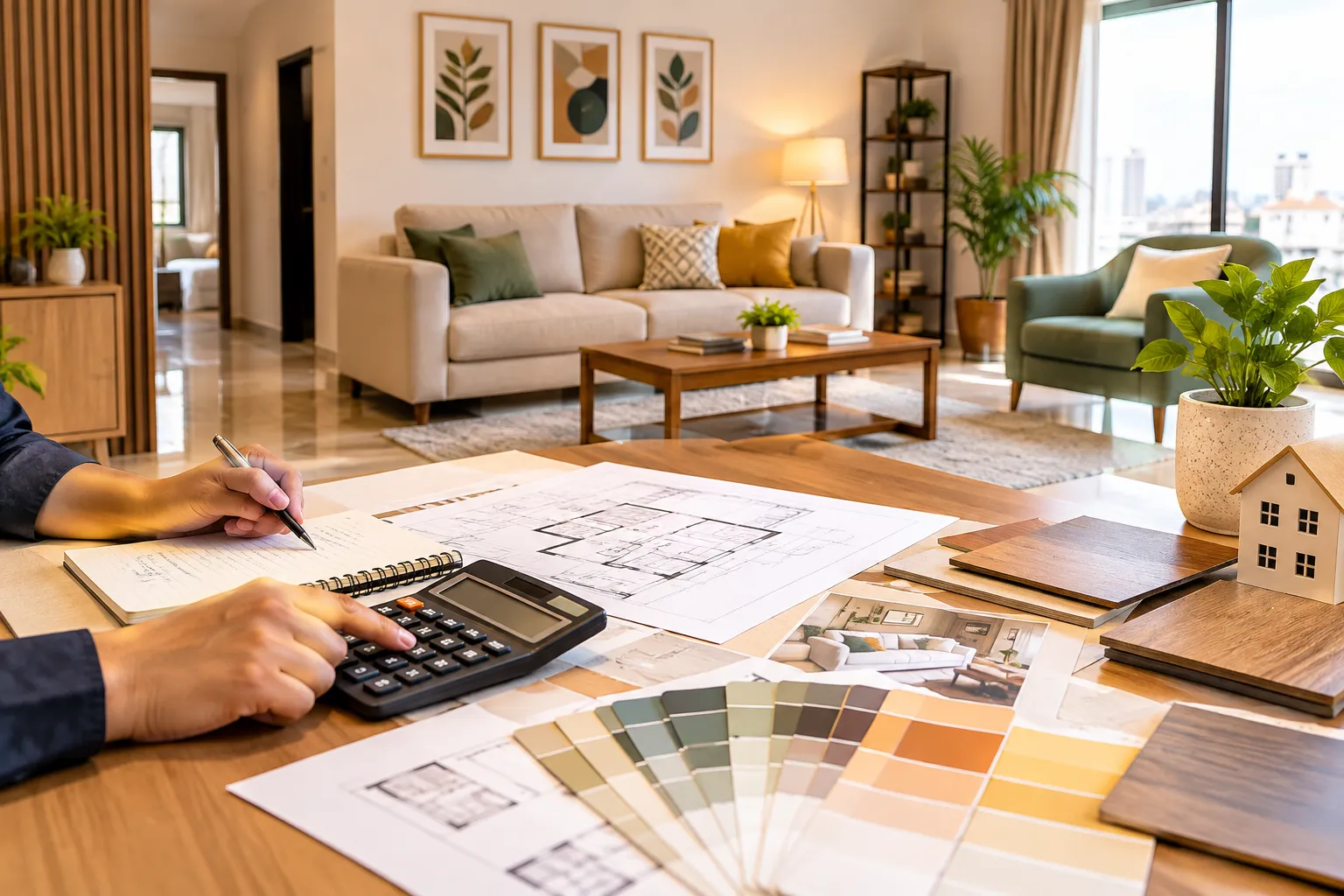
If you're changing more than two material categories (e.g., flooring and walls and upholstery) at once, working with a Living Room Designer typically prevents mismatched undertones and material clashes that are expensive to fix later.
How to Choose the Right Living Room Interior Design Company in Patna?
When evaluating a Living Room Interior Design Company in Patna, check for:
- A visible portfolio of completed living room projects, not just renders
- Transparent material and labor cost breakdowns before signing
- Warranty terms on modular furniture and finishes
- Familiarity with local material vendors (reduces delivery delays)
- Willingness to source or show physical material samples, not just catalogs
For general material quality benchmarks (fire safety, durability, and finish standards for furniture, paints, and flooring), the Bureau of Indian Standards publishes official specifications that reputable designers and manufacturers follow — a useful reference when verifying a vendor's material claims.
FAQs
What is the most important material in a living room design?
Flooring, because it covers the largest continuous surface and sets the undertone for every other material choice in the room.
Can I mix wood and marble in one living room?
Yes — pairing wood flooring with a marble-top center table or console is a common, designer-approved contrast technique.
Is engineered wood better than solid wood for Indian living rooms?
Engineered wood generally performs better in humid Indian climates, as it resists warping more effectively than solid wood.
How often should living room materials be updated?
Structural materials like flooring and walls typically last 8–12 years; soft materials like upholstery and curtains are usually refreshed every 3–5 years.
Final Takeaway
A designer-perfect living room isn't about expensive furniture — it's about disciplined material choices that repeat, contrast, and layer intentionally. Whether you handle it yourself using the tips above or bring in a Living Room Designer, or consult a Living Room Interior Designer in Patna or an established Living Room Interior Design Company in Patna, the goal remains the same: fewer materials, better chosen, consistently applied.
























Sign in to leave a comment.