

You do not need to deep clean your apartment every day to keep it looking tidy. A focused 15-minute routine can control clutter, dust, crumbs, bathroom mess, and other small problems before they build up. The best approach is to reset the areas you use most, clean visible mess first, and leave bigger jobs for your weekly routine. Done consistently, these small habits make the whole apartment easier to manage.
A spotless-looking apartment usually comes from small habits, not long cleaning sessions.
If you wait until every room looks messy, cleaning starts to feel like a large job. But if you spend a few minutes each day putting things back, wiping fresh spills, and dealing with high-use areas, your home stays much easier to control.
This guide is for renters, apartment owners, busy professionals, couples, and families who want a cleaner home without spending hours on housework.
The goal is not perfection. It is to stop small messes from becoming bigger ones.
A useful rule is simple: clean fresh mess before old mess. A splash of toothpaste takes seconds to wipe today. Once it dries around the sink, you may need cleaner and scrubbing later.
Why 15 Minutes a Day Can Make a Big Difference
Small messes build slowly.
A coffee cup stays on the table. Shoes collect near the door. Hair gathers on the bathroom floor. Crumbs sit under the toaster. None of these problems looks serious on its own.
By the end of the week, they add up.
A short daily cleaning routine breaks that cycle. Instead of cleaning an entire room from top to bottom, you deal with the mess created that day.
This works especially well in apartments because the rooms are close together. Clutter in one area can quickly make the whole space feel untidy.
Fifteen minutes also feels manageable. You are more likely to wipe a counter and put away a few items when you know you are not starting a two-hour cleaning session.
Start With a Fast Five-Minute Declutter
Before you reach for cleaning spray, remove the clutter.
Cleaning around bags, dishes, clothes, chargers, bottles, and paperwork wastes time. Put those items back where they belong first.
Spend the first few minutes walking through the main living areas and collecting anything that is out of place.
Focus on:
- Cups, plates, and bottles
- Clothes and shoes
- Mail and paperwork
- Toys or pet items
- Bathroom products
- Chargers and small electronics
- Rubbish and food packaging
Do not start organising drawers or cupboards during this step. That can turn a quick reset into a much larger job.
The goal is simple: clear the visible surfaces.
Once benches, tables, and floors are open, the apartment instantly looks cleaner and the next steps become much faster.
Make the Bed and Reset the Bedroom
Making the bed may seem small, but it changes the look of a bedroom quickly.
Pull the sheets straight, arrange the pillows, and remove clothes from the bed or floor. You do not need hotel-style corners. A basic reset is enough.
Next, put dirty clothes in the laundry basket and hang or fold anything you plan to wear again.
Check the bedside table too. Water glasses, tissues, receipts, and charging cables can make a small bedroom look crowded.
If dust is visible on a bedside table or dresser, wipe it with a dry or slightly damp microfibre cloth.
Do not try to vacuum the whole bedroom every day unless it genuinely needs it. Daily cleaning should focus on what is visible and what can turn into a bigger problem.
Wipe the Kitchen Bench and Sink Every Day
The kitchen usually creates the fastest-moving mess in an apartment.
Food crumbs, oil droplets, coffee spills, and dirty dishes can make a clean kitchen look untidy within one meal.
Start by loading the dishwasher or washing the dishes you used that day. Then clear the sink.
Once the sink is empty, wipe the kitchen bench, stovetop surface, and dining table.
Pay attention to the areas around the kettle, coffee machine, toaster, and cooking zone. Crumbs often collect underneath these appliances even when the main bench looks clean.
If you spill sauce, oil, coffee, or another food product, wipe it while it is fresh. Dried food usually takes longer to remove.
Finish by giving the sink a quick rinse and wiping around the tap.
This one habit prevents the kitchen from becoming the main source of daily apartment mess.
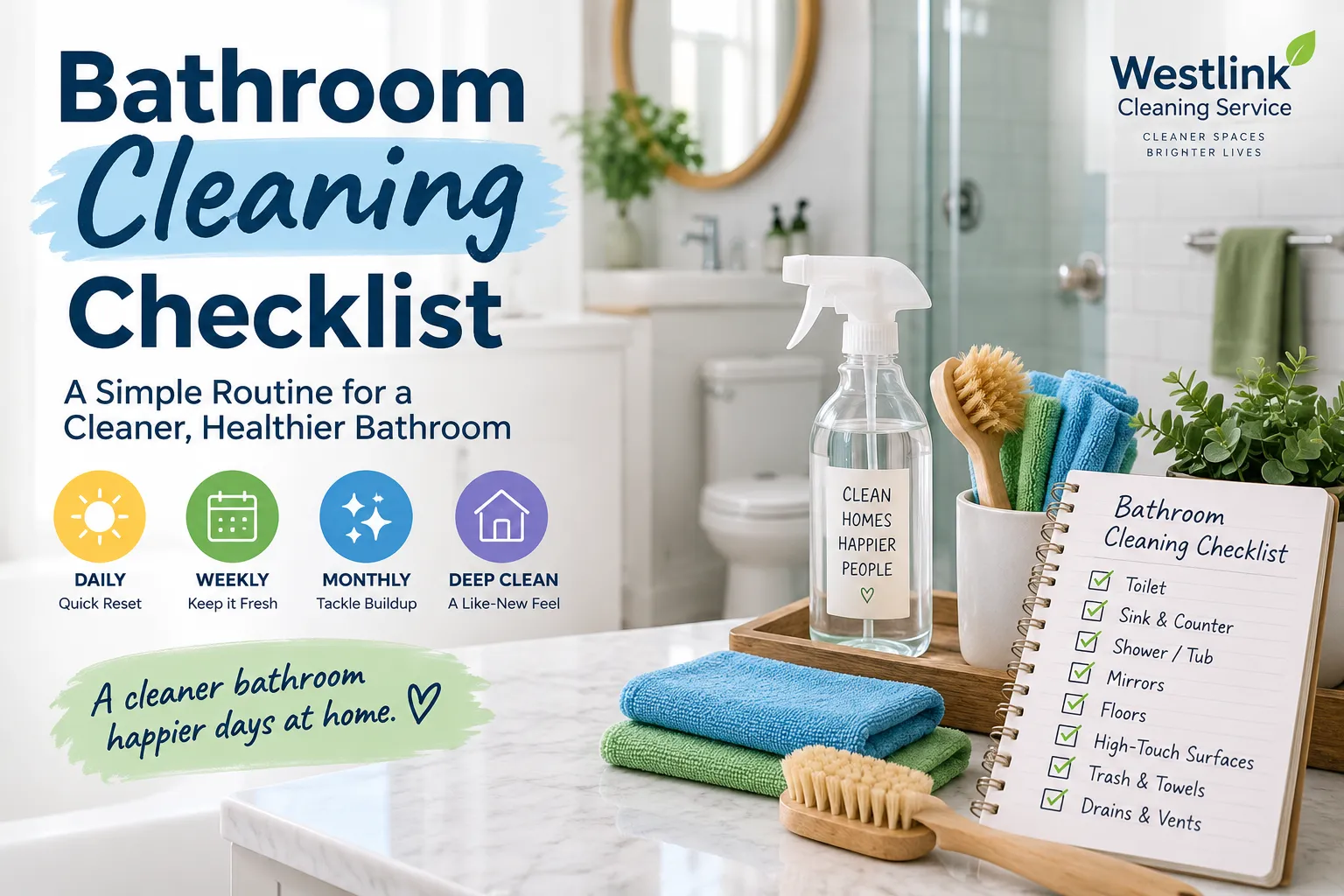
Give the Bathroom a Two-Minute Reset
You do not need to scrub the bathroom every day.
A quick reset can still make a major difference.
After brushing your teeth, rinse toothpaste from the basin and wipe visible water around the taps. If hair has fallen onto the vanity or floor, remove it before it mixes with moisture.
After a shower, use a squeegee on the glass if you have one. This removes water before mineral marks and soap film have time to dry.
Straighten towels and hang them so they can dry properly. Leaving a damp towel folded on the floor or over the bath keeps moisture in the room longer.
If the toilet seat or flush button has visible marks, wipe them with an appropriate cleaner.
These tiny habits reduce the amount of scrubbing you need during your weekly bathroom clean.
Clean High-Touch Surfaces Before They Look Dirty
Some surfaces collect dirt long before they look obviously dirty.
Think about how often you touch a light switch, fridge handle, door handle, tap, remote control, or cabinet pull in one day.
These areas pick up fingerprints, skin oils, food residue, and general grime.
You do not need to disinfect every surface daily. In most homes, routine cleaning with a suitable product is enough unless there is a specific reason to disinfect.
Choose a few high-touch areas each day and wipe them quickly.
The fridge handle and kitchen cabinet pulls often show marks first because people touch them while preparing food.
Bathroom taps also develop visible water spots quickly.
A quick wipe takes seconds and keeps these areas from developing a dull, sticky feel.
Sweep or Vacuum the Areas That Collect the Most Dirt
You do not need to vacuum every room every day.
Instead, focus on the places that collect visible dirt fastest.
Entryways often gather grit from shoes. Kitchens collect crumbs. Bathrooms collect hair. Dining areas collect food particles.
Run a vacuum or broom over these areas when needed.
In a small apartment, this can take only a few minutes if you avoid moving furniture and doing a full deep clean.
Pay attention to corners and edges. A clean floor can still look messy when hair and dust collect along the wall.
If you have pets, you may need to vacuum more often around feeding areas, bedding, and favourite resting spots.
The aim is not to remove every speck of dust. It is to stop visible debris from spreading through the apartment.
Put Things Away Before Going to Bed
One of the easiest cleaning habits happens at the end of the day.
Before going to bed, spend two or three minutes returning everyday items to their normal places.
Put cushions back on the sofa. Take glasses to the kitchen. Place shoes by the door or in storage. Put chargers, books, blankets, and remote controls where they belong.
This creates what cleaners often call a reset.
You are not cleaning deeply. You are simply returning the room to its normal starting point.
The benefit shows up the next morning.
Instead of waking up to yesterday's mess, you begin with a clear living space. That makes it easier to keep the cleaning of apartment tidy through the next day.
Do Not Try to Deep Clean During Your Daily Routine
This is one of the easiest ways to make a 15-minute cleaning habit fail.
You start wiping the kitchen bench, notice the inside of a cupboard, begin reorganising it, then move to the pantry. Forty-five minutes later, the original cleaning routine is unfinished.
Daily cleaning should stay small.
Leave jobs such as oven cleaning, grout scrubbing, window washing, fridge cleaning, detailed dusting, and cupboard organisation for a weekly or monthly cleaning session.
If you spot a bigger job, make a note of it.
Then keep moving.
A short routine works because it has a clear finish line. Once every task starts turning into a project, the habit becomes harder to maintain.
A Simple 15-Minute Apartment Cleaning Routine
You can adjust the timing based on your apartment, but a basic routine may look like this:
- Minutes 1–5: Pick up clutter and return items to their proper places.
- Minutes 6–8: Clear the kitchen sink and wipe the bench.
- Minutes 9–10: Reset the bathroom basin and remove visible hair.
- Minutes 11–13: Sweep or vacuum the kitchen, entryway, or another high-traffic area.
- Minutes 14–15: Wipe a few high-touch surfaces and do a final room reset.
Do not worry if one task sometimes takes longer.
If the kitchen needs more attention one night, spend most of the 15 minutes there. If the kitchen is already clean, use the time on the bathroom or living room.
The routine should follow the condition of your apartment, not a rigid checklist.
How Daily Cleaning and Weekly Cleaning Work Together
Daily habits keep your apartment under control. Weekly cleaning handles the jobs that need more time.
During the week, focus on clutter, spills, dishes, visible dust, bathroom splashes, and floor debris.
Then use your weekly cleaning session for jobs such as vacuuming the full apartment, mopping floors, cleaning the toilet, scrubbing the shower, changing bed linen, dusting furniture, and wiping less-used surfaces.
This split makes both routines easier.
For example, a shower screen that gets squeegeed after use usually needs less work during the weekly clean. A kitchen bench that gets wiped every night is less likely to develop sticky buildup.
Daily cleaning does not replace deep cleaning.
It reduces how difficult deep cleaning becomes.
Common Daily Cleaning Mistakes That Waste Time
The first mistake is cleaning around clutter instead of removing it. Moving objects back and forth while wiping a surface slows you down.
Another mistake is using too many products. Most daily messes do not need a different bottle of cleaner for every surface. Use products that suit the material and follow their labels.
Avoid spraying cleaner everywhere before you know what you are cleaning. Some surfaces need different care.
Do not use the same cloth in the bathroom and kitchen without washing it first. Keeping separate cleaning cloths for different areas helps reduce cross-contamination.
Also avoid chasing perfection.
If you spend five minutes polishing one tap while the rest of the apartment stays messy, you have missed the point of a fast daily reset.
Focus on the areas that change how the whole room looks.
How to Make the Habit Easier to Stick With
Keep your basic supplies easy to reach.
If you have to search through a cupboard every time you need a cloth, you add friction to a simple task.
A small cleaning kit can include a few microfibre cloths, a suitable multipurpose cleaner, glass cleaner if needed, and basic bathroom supplies.
Keep each product in a safe place and away from children and pets.
It also helps to attach cleaning to something you already do.
For example, wipe the kitchen after dinner. Reset the bathroom after your evening shower. Put the living room back in order before turning off the television.
This removes the need to decide when to clean.
The task becomes part of the routine you already have.
15-Minute Cleaning FAQs
Is 15 minutes a day enough to keep an apartment clean?
It can keep everyday clutter and visible mess under control, but it does not replace regular deeper cleaning. Use the daily routine for maintenance and a longer weekly session for floors, bathrooms, dusting, and other detailed jobs.
What should I clean first in my apartment?
Start with clutter. Once you clear surfaces and floors, move to the areas that get dirty fastest, such as the kitchen, bathroom, and entryway.
Should I clean every room every day?
No. Focus on the rooms you use most and any area with fresh mess. A spare bedroom may need very little daily attention compared with a kitchen or bathroom.
How can I keep my apartment clean if I work long hours?
Keep the routine short and attach it to an existing habit. Fifteen minutes after dinner or before bed is easier to maintain than waiting for a large block of free time.
Is it better to clean a little every day or once a week?
Both serve different purposes. Daily cleaning controls clutter and fresh mess. Weekly cleaning handles deeper jobs such as mopping, vacuuming the full home, bathroom cleaning, and dusting.
What is the fastest way to make an apartment look cleaner?
Clear clutter, make the bed, remove dirty dishes, wipe kitchen benches, and clean visible floor debris. These areas have a strong effect on how tidy the whole apartment looks.
How do I stop my apartment from getting messy so quickly?
Give common items a fixed place, deal with dishes after meals, put clothes away, wipe fresh spills, and reset the main living area before bed.
When a Professional Apartment Clean Makes Sense
Daily cleaning works best when you already have a manageable home.
It becomes harder when dirt has built up over several weeks, you are preparing for an inspection, moving in or out, returning from a long trip, or trying to clean several rooms at once.
A professional clean can also help when your schedule does not leave enough time for deeper tasks.
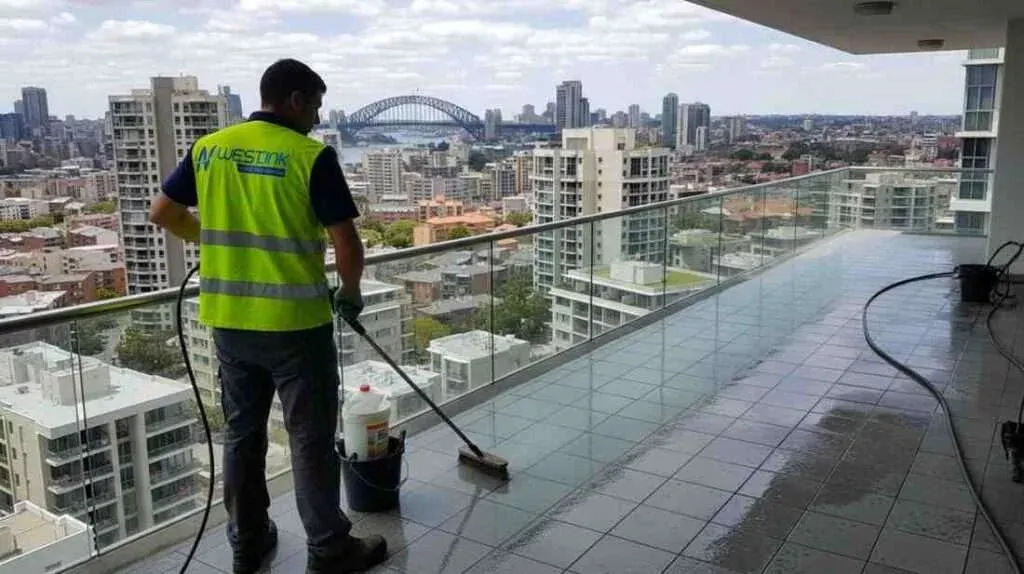
Westlink Cleaning can assist when your apartment needs more than a quick daily reset and you want the kitchen, bathroom, floors, and other areas cleaned more thoroughly.
Fifteen minutes a day can keep everyday mess under control, but consistency matters more than speed. Clear clutter, wipe fresh spills, deal with the kitchen and bathroom, and stop small problems before they turn into weekend cleaning projects.
When your apartment needs a deeper reset than your daily routine can provide, Westlink Cleaning can take care of the heavier work so maintaining the space afterward becomes much easier.



























Sign in to leave a comment.