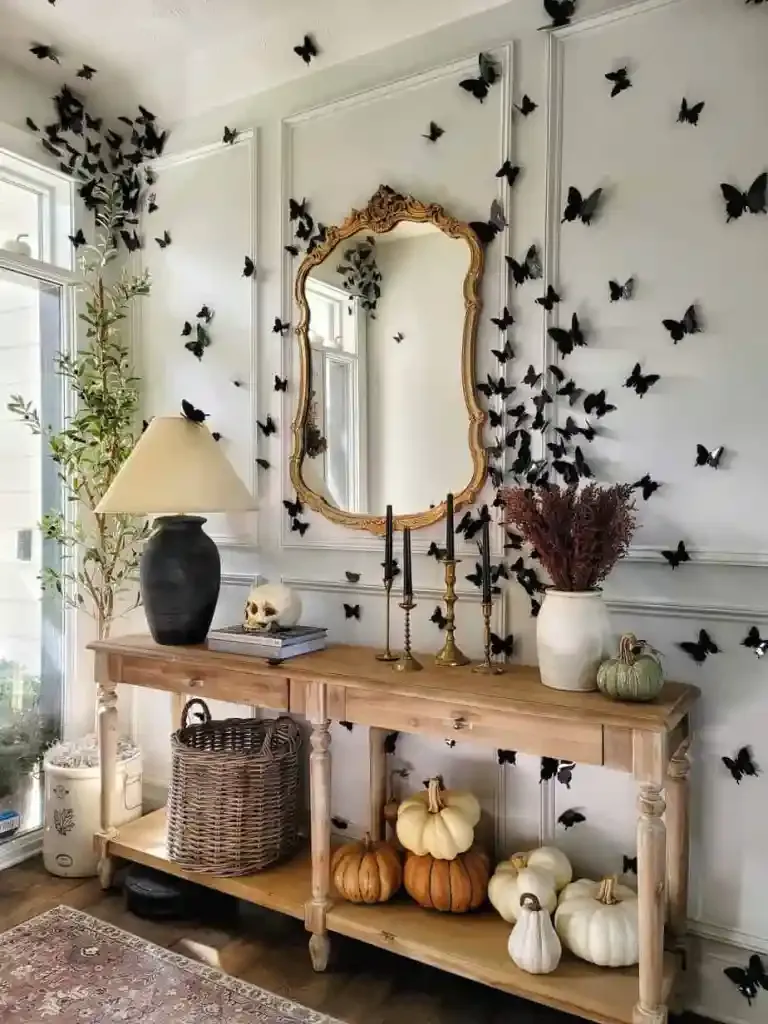

Halloween looks different from every other night of the year. Streets fill with costumes, pumpkins glow on doorsteps, and children suddenly treat candy like treasure. But beneath the fun is a surprisingly layered history. These fun facts about Halloween history reveal how ancient Celtic traditions, Christian observances, folklore, immigration, newspapers, and modern entertainment shaped October 31. From strange fortune-telling customs to the evolution of jack-o’-lanterns, each fact tells a small part of the story behind one of the world’s most recognizable celebrations.

Ancient Roots: 7 Fun Facts About Halloween History
Halloween’s history is less like a straight line and more like a patchwork quilt. Different traditions were added over centuries, creating the celebration we recognize today. The Library of Congress identifies the ancient Celtic festival of Samhain as an important part of Halloween’s background. Later, Christian observances connected with All Saints’ Day and All Souls’ Day became intertwined with earlier customs, contributing to the development of All Hallows’ Eve and modern Halloween.
That layered history explains why Halloween contains such a strange mixture of harvest imagery, supernatural stories, religious traditions, costumes, games, and community celebrations.
Imagine an autumn evening centuries ago: the harvest is ending, winter is approaching, darkness arrives early, and neighbors gather around fires. There are no plastic decorations or candy aisles, but the emotional ingredients of Halloween—mystery, storytelling, uncertainty, and community—are already present.
Fact 1: Halloween Is Linked to Samhain
The Library of Congress describes Samhain, an ancient pre-Christian Celtic festival, as an important starting point in Halloween’s historical development.
Fact 2: Halloween Has a Christian Connection
Christian celebrations of All Saints’ Day on November 1 and All Souls’ Day on November 2 became intertwined with earlier traditions. This cultural blending helped shape Halloween as All Hallows’ Eve.
Fact 3: “Halloween” Means All Hallows’ Eve
The name Halloween is associated with All Hallows’ Eve, referring to the evening before All Saints’ Day.
Fact 4: Halloween Is Celebrated on October 31
Halloween occurs annually on October 31. In 2026, October 31 falls on a Saturday.
Fact 5: Halloween Wasn't Created in One Place
Modern Halloween developed through multiple cultural influences rather than originating as one unchanged tradition.
Fact 6: The Holiday Changed as Cultures Met
The Library of Congress describes Halloween as a blending of Christian and pre-Christian traditions, showing how cultural exchange helped shape the holiday.
Fact 7: Halloween History Is Still Being Documented
Historic newspapers, books, photographs, recordings, and other archival materials provide evidence of how Halloween customs changed over time.
8 Strange Facts About Halloween Customs and Costumes
One of the most fascinating things about Halloween is how quickly its customs can change. Today, wearing a costume may mean dressing as a superhero, movie character, celebrity, ghost, witch, or internet meme. Historically, however, Halloween traditions included far more than modern costume parties.
The Library of Congress preserves historical materials showing Halloween customs such as pranks, jack-o’-lanterns, and fortune-telling. A 1907 Los Angeles Herald article, for example, documented both familiar and less familiar Halloween activities, including attempts to predict romantic futures.
This makes old Halloween history surprisingly relatable. People more than a century ago also wanted entertainment, mystery, romance, jokes, and a little mischief.
Fact 8: Halloween Once Included Fortune-Telling
Historical Halloween customs included forms of divination, including attempts to discover romantic or matrimonial futures. A 1907 newspaper example preserved by the Library of Congress documents such practices.
Fact 9: Halloween Was Associated With Mischief
Pranks have a documented place in Halloween history. Historic newspaper coverage describes mischievous activities alongside more familiar traditions.
Fact 10: Costumes Keep Evolving
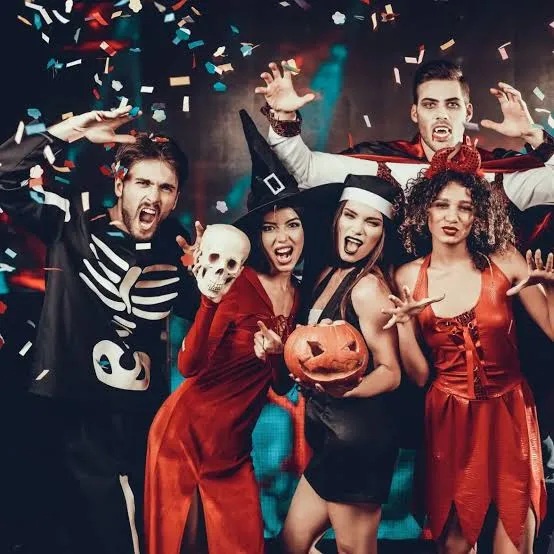
Costumes have transformed alongside society. Modern Halloween outfits can reflect folklore, movies, television, celebrities, video games, fashion, and internet culture.
Fact 11: Witches Have Deep Historical Roots
Witches became enduring Halloween imagery through centuries of folklore, literature, art, and popular culture. The Library of Congress holds historical printed materials depicting witchcraft and supernatural figures.
Fact 12: Ghost Stories Are Older Than Modern Horror Movies
Halloween storytelling did not begin with cinema. The Library of Congress preserves supernatural recordings dating back at least to the 1930s, including ghost stories and witch tales.
Fact 13: Halloween Has a Long Storytelling Tradition
Before streaming horror movies, communities could create a frightening atmosphere with spoken stories, folklore, music, and imagination.
Fact 14: Halloween Traditions Were Recorded in Newspapers
Historic newspapers provide snapshots of Halloween celebrations from earlier generations. The Library of Congress’s Chronicling America collection includes Halloween articles dating back to the 19th century.
Fact 15: Halloween History Includes Romantic Games
Not every Halloween custom was designed to scare people. Historical traditions included playful attempts to discover future romantic partners.
6 Fascinating Facts About Pumpkins, Jack-o’-Lanterns, and Trick-or-Treating
Few modern images are more strongly associated with Halloween than the glowing jack-o’-lantern. Yet pumpkins, candy, and trick-or-treating represent relatively recent stages in the holiday’s long evolution. Halloween gradually moved from seasonal and folkloric traditions toward community entertainment and, especially in the United States, highly recognizable customs involving costumes and treats.
The Library of Congress notes that early 20th-century Halloween celebrations already featured jack-o’-lanterns and mischievous behavior. Its historical materials also document the evolution of Halloween through customs and material culture.
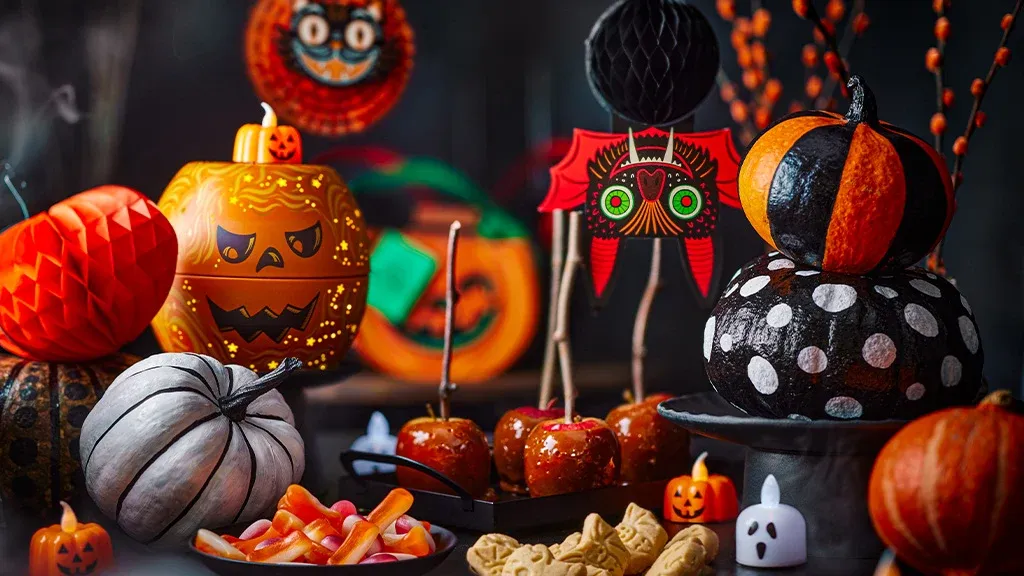
Picture a modern porch on October 31: orange light shining through a carved pumpkin, candy waiting beside the door, and children arriving in costume. It feels timeless—but that scene represents generations of cultural change.
Fact 16: Jack-o’-Lanterns Are an Old Halloween Symbol
Carved lanterns are part of Halloween’s older folklore, while the pumpkin became especially recognizable in North American Halloween culture.
Fact 17: Pumpkins Became a Modern Halloween Icon
The pumpkin’s large size and suitability for carving helped make it one of Halloween’s most recognizable symbols in North America.
Fact 18: Pumpkin Carving Became Creative Entertainment
Today, pumpkin carving is not simply decoration. It has become a creative activity involving stencils, artistic designs, competitions, and family traditions.
Fact 19: Trick-or-Treating Is a Modern Halloween Custom
Although Halloween itself has ancient roots, the familiar modern form of trick-or-treating developed much later.
Fact 20: “Trick or Treat” Combines Mischief and Treats
The phrase captures two sides of Halloween: playful mischief and receiving treats.
Fact 21: Candy Became Central to Modern Halloween
Candy is now closely associated with Halloween, particularly through the widespread popularity of trick-or-treating and modern commercial celebrations.
4 More Halloween History Facts to Surprise Your Friends
The final facts show why Halloween remains such a fascinating cultural subject. It is not frozen in the past. Instead, Halloween continually absorbs new ideas while keeping recognizable symbols alive.
Historical collections demonstrate just how much Halloween has changed. The Library of Congress holds thousands of books, photographs, recordings, and other materials connected with Halloween traditions. Its collections include material covering costumes, decorations, folklore, supernatural stories, and popular culture.
That means your Halloween party in 2026 is part of a much longer cultural story. When you carve a pumpkin, tell a ghost story, or put on a costume, you are participating in traditions that have been repeatedly reinvented.
Fact 22: Halloween Became Increasingly Popular in America
The Library of Congress describes Halloween as one of the most popular holidays in contemporary America and notes its growing global popularity.
Fact 23: Halloween Has a Huge Historical Archive
The Library of Congress contains extensive Halloween-related collections, including photographs, books, recordings, artwork, and newspaper sources.
Fact 24: Halloween Has Been Documented for More Than a Century in U.S. Newspapers
The Chronicling America collection contains Halloween-related newspaper material from the 19th and early 20th centuries, offering direct evidence of how people discussed and celebrated the holiday.
Fact 25: Halloween Continues to Evolve
From ancient seasonal traditions to modern costume parties, Halloween has repeatedly changed while retaining familiar themes of mystery, community, creativity, and playful fear.
Make These Halloween History Facts Part of Your Celebration
Knowing the history behind Halloween changes the way you experience it. A pumpkin becomes more than a decoration. A costume becomes part of a long tradition of transformation. A ghost story becomes another chapter in humanity’s fascination with the unknown.
For Halloween 2026, October 31 falls on a Saturday, giving families, friends, and party hosts plenty of opportunities to turn these facts into interactive entertainment.
Try a “25 Facts” trivia challenge, create a true-or-false game, or ask guests to guess which traditions are ancient and which are relatively modern. You can even turn each correct answer into a small prize.
If you want your group to look coordinated without committing to elaborate costumes, explore Halloween graphic T-shirts for parties, family gatherings, or memorable October photos.
And for a more mysterious atmosphere, spooky Halloween apparel can bring the theme together while keeping the celebration comfortable and casual.
The beauty of Halloween history is that it never feels completely finished. Traditions change, new characters appear, and every generation adds its own memories. So when October 31 arrives, share these facts, tell a strange story, light a pumpkin, and enjoy the little moment when the ordinary world feels wonderfully different.
Address: 1308 Clement St, San Francisco, CA 94118, USA
Mail: [email protected]
Follow us for more updates:





















Sign in to leave a comment.