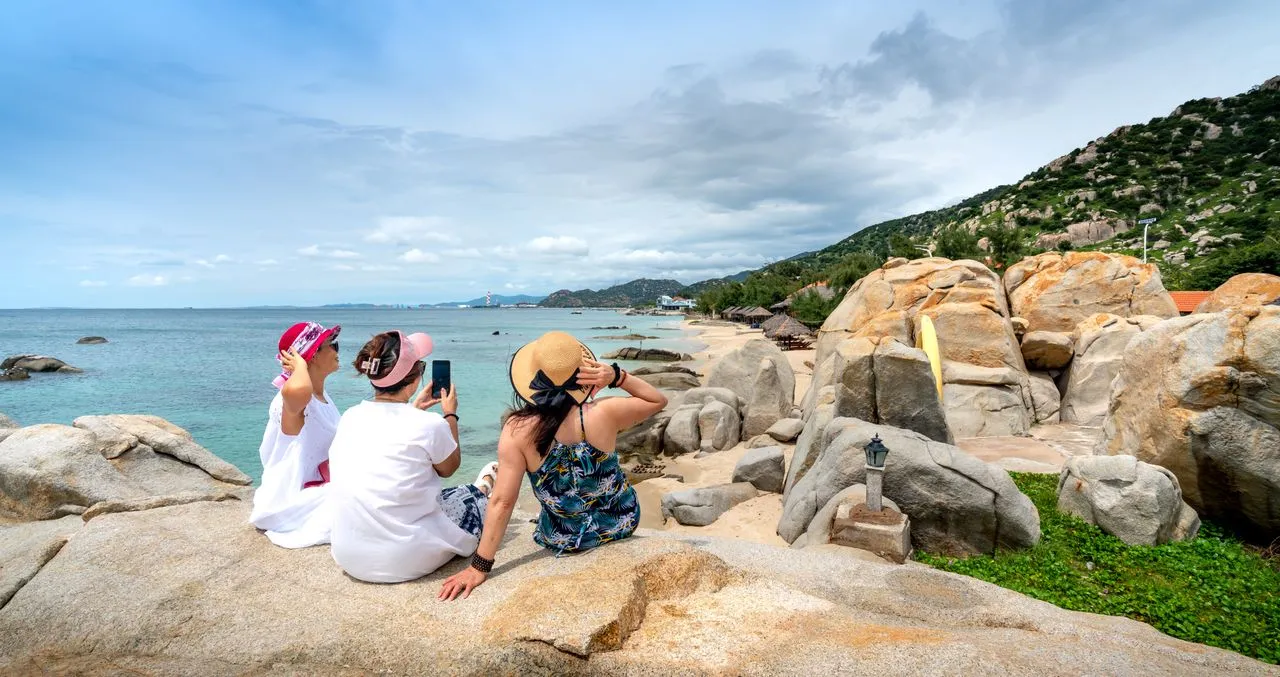

When you think about luxury travel, your expectations have likely evolved significantly over the past decade. The definition of what constitutes a truly premium travel experience extends far beyond thread counts and marble bathrooms. Today's most discerning travelers seek meaningful engagement with destinations, personalized service that anticipates their needs, and experiences that cannot be replicated elsewhere. Certain locations around the globe have recognized this shift and have fundamentally reimagined what luxury hospitality and travel infrastructure can offer. These five destinations represent the current frontier of elevated travel experiences.
1. The Maldives
The Maldives has long been associated with luxury, but recent developments have elevated the standard considerably beyond traditional expectations. This island nation has invested heavily in sustainable luxury infrastructure that allows guests to experience pristine natural environments without compromising on comfort or convenience. Over-water bungalows now feature underwater viewing panels, renewable energy systems, and waste management practices that preserve the coral ecosystems surrounding the properties. The culinary offerings have expanded to include Michelin-trained chefs preparing locally sourced cuisine, creating dining experiences that reflect both international excellence and regional authenticity. Your access to private islands, personalized diving expeditions, and marine conservation programs transforms a vacation into an immersive and purpose-driven journey rather than a simple beach retreat.
2. Patagonia
Patagonia represents a shift toward adventure-based luxury that appeals to travelers seeking natural splendor combined with refined amenities. The region has developed high-end lodges and camps that serve as bases for exploring some of the world's most dramatic landscapes, including towering granite peaks, expansive glaciers, and pristine wilderness areas. These accommodations feature heated stone floors, gourmet cuisine prepared by acclaimed chefs, and spa facilities that provide comfort after days spent trekking or mountaineering. Your experience includes expert-guided expeditions led by naturalists and mountaineers who provide context and knowledge about the ecosystems you traverse. This model of luxury focuses on transformative experiences and physical engagement with nature rather than passive relaxation.
3. Japan
Japan has redefined luxury through meticulous attention to detail, cultural immersion, and the integration of cutting-edge technology with centuries-old traditions. High-end ryokans and boutique hotels offer multi-course kaiseki dinners, private onsen bathing experiences, and access to master artisans and practitioners of traditional crafts. Your travel through Japan might include private tea ceremonies led by established tea masters, exclusive access to seasonal festivals, and stays in accommodations featuring minimalist design that reflects Japanese aesthetic principles. The hospitality standard in Japan emphasizes anticipation of guest needs, with staff trained extensively in both service excellence and cultural stewardship. Transportation infrastructure including the Shinkansen bullet train system demonstrates how luxury can encompass efficiency, punctuality, and comfort across all travel touchpoints.
4. The Indonesian Archipelago
The Indonesian Archipelago has emerged as a luxury destination that balances exclusivity with accessibility to diverse cultural and natural attractions. Private island resorts, boutique hotels set among terraced rice fields, and luxury cruises through lesser-known islands offer varied experiences without the overcrowding associated with more established tropical destinations. Your accommodations might feature open-air designs that blur boundaries between indoor and outdoor spaces, infinity pools overlooking volcanic landscapes, and spa treatments rooted in traditional Javanese and Balinese wellness practices. Access to private art collections, museum-quality cultural experiences, and curated connections with local artisans and performers distinguishes luxury offerings throughout the region. The infrastructure continues to develop in ways that prioritize environmental stewardship and local community benefit alongside the guest experience, making the archipelago a compelling model for responsible luxury development.
5. Tennessee
Tennessee has emerged as an unexpected luxury destination for travelers seeking a winter getaway that feels worlds away from everyday life without requiring an international flight. During the colder months, the Smoky Mountains transform into a picturesque landscape of mist-covered peaks, snow-dusted forests, and cozy mountain retreats that can feel remarkably similar to the cabin escapes often associated with destinations in Scandinavia or the Alpine regions of Europe. For travelers who prefer to stay within the United States or who do not typically travel abroad, Tennessee offers many of the same elements that make international winter vacations appealing: stunning natural scenery, peaceful surroundings, outdoor adventure, and elevated accommodations.
Luxury travelers are increasingly drawn to the region's expansive mountain lodges and private retreats that combine rustic charm with high-end amenities. Features such as private hot tubs, indoor pools, game rooms, home theaters, and panoramic mountain views create an experience centered on comfort, exclusivity, and connection with nature. For larger families and groups, luxurious 6 bedroom cabins in Pigeon Forge provide an ideal blend of space and sophistication, allowing guests to enjoy a private resort-like atmosphere while remaining close to attractions, dining, and outdoor recreation. Tennessee's ability to deliver a memorable winter escape that feels both familiar and transportive has helped establish it as a standout destination in the evolving luxury travel landscape.
Conclusion
These five destinations exemplify the contemporary luxury travel landscape, where sophisticated travelers increasingly value authenticity, exclusivity, environmental responsibility, and transformative experiences over traditional markers of opulence. Each location has invested in hospitality infrastructure that respects local environments and cultures while delivering world-class service and accommodations. The standard that these destinations have established influences how the broader travel industry approaches luxury development and guest experience design. Your awareness of these evolving expectations can help you recognize which destinations align with your personal values and travel priorities. As the definition of luxury travel continues to shift, these five destinations remain at the forefront of shaping what elevated travel experiences can genuinely encompass.




























Sign in to leave a comment.