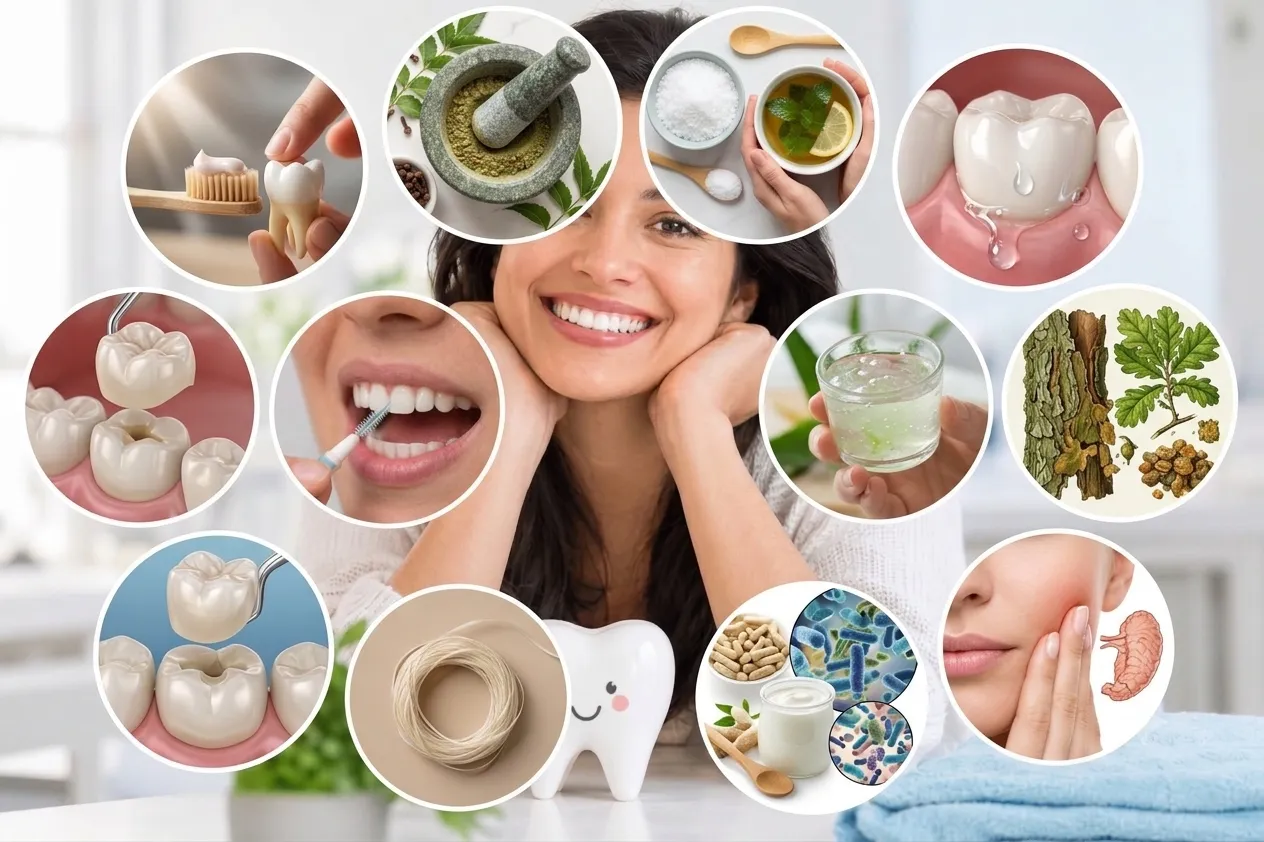

Dental problems do not always develop because of poor brushing habits or a lack of dental visits. Some everyday behaviors that seem harmless can gradually affect your teeth and gums. From frequently sipping sugary drinks to using your teeth for purposes they were never designed for, small habits can contribute to cavities, enamel wear, gum irritation, and other concerns over time. Recognizing these behaviors can help you make simple changes that support a healthier mouth.
Frequently Snacking or Sipping Throughout the Day
Eating small amounts of food repeatedly throughout the day can expose your teeth to acids more often. After you eat, bacteria in the mouth can use available sugars and produce acids that temporarily lower the pH around your teeth. Frequent exposure gives your mouth less time to return to its normal balance.
The same concern can apply to beverages. Regularly sipping soda, sweetened coffee, energy drinks, or other acidic drinks can increase the frequency of acid exposure. Instead of constantly sipping these beverages, consider drinking water between meals and keeping sugary or acidic drinks to mealtimes when possible.
Using Your Teeth as Tools
It can be tempting to use your teeth to open packaging, tear tape, hold objects, or loosen something that is difficult to handle. However, teeth are designed for biting and chewing food, not for opening containers or cutting materials.
Using your teeth as tools can place unusual pressure on individual teeth. This may contribute to chips, cracks, worn edges, or damage to existing dental work. Even if the habit has never caused a problem before, one awkward movement can potentially result in an injury. Keeping scissors, bottle openers, and other appropriate tools nearby is a simple way to avoid unnecessary stress on your teeth.
Chewing on Ice or Hard Objects
Chewing ice may feel satisfying, particularly when it becomes an unconscious habit. However, ice is hard enough to place significant stress on tooth enamel. Similar problems can occur when people regularly chew pens, pencils, fingernails, or other hard objects.
Repeated pressure can contribute to small cracks or chips, especially if a tooth already has a filling, crown, or other restoration. If you frequently find yourself chewing on hard objects, becoming aware of the habit is an important first step. Choosing a safer alternative, such as sugar-free gum when appropriate, may help keep your teeth away from unnecessary mechanical stress.
Brushing Too Hard
Brushing your teeth is essential, but more pressure does not necessarily mean a better cleaning. Aggressive brushing can irritate the gums and may contribute to enamel wear or gum recession over time, particularly when combined with a hard-bristled toothbrush.
A soft-bristled toothbrush and gentle, controlled movements are generally a better approach. Rather than scrubbing back and forth forcefully, focus on cleaning all tooth surfaces carefully. Replacing a worn toothbrush or toothbrush head regularly can also help maintain effective cleaning without relying on excessive pressure.
Ignoring Changes in Your Mouth
Another common behavior is simply putting off attention to changes in the mouth. Tooth sensitivity, bleeding gums, persistent bad breath, discomfort when chewing, or a change in the appearance of a tooth may seem minor at first. Waiting until symptoms become severe can sometimes allow an underlying problem to progress.
Regular dental examinations provide an opportunity to identify concerns before they become more complicated. Professional evaluation is especially important when a symptom continues, becomes more noticeable, or interferes with eating, sleeping, or daily activities. Paying attention to changes rather than dismissing them can make it easier to address problems at an earlier stage.
Small Habits Can Make a Difference
Your daily routine has a meaningful influence on the condition of your teeth and gums. Limiting frequent exposure to sugary or acidic foods and drinks, avoiding the use of teeth as tools, choosing gentler brushing techniques, and responding to unusual symptoms can all help reduce unnecessary risks. These habits do not replace professional dental care, but they can complement regular brushing, flossing, dental checkups, and a balanced diet.
Maintaining oral health is not about achieving a perfect routine every day. It is about recognizing everyday behaviors that may put unnecessary stress on your teeth and gums and making practical changes where possible. By paying attention to your habits and giving your mouth consistent care, you can create a routine that supports healthier teeth and gums over the long term.


























Sign in to leave a comment.