5 Myths About Sperm Cramps in Men, Busted by a Fertility Specialist

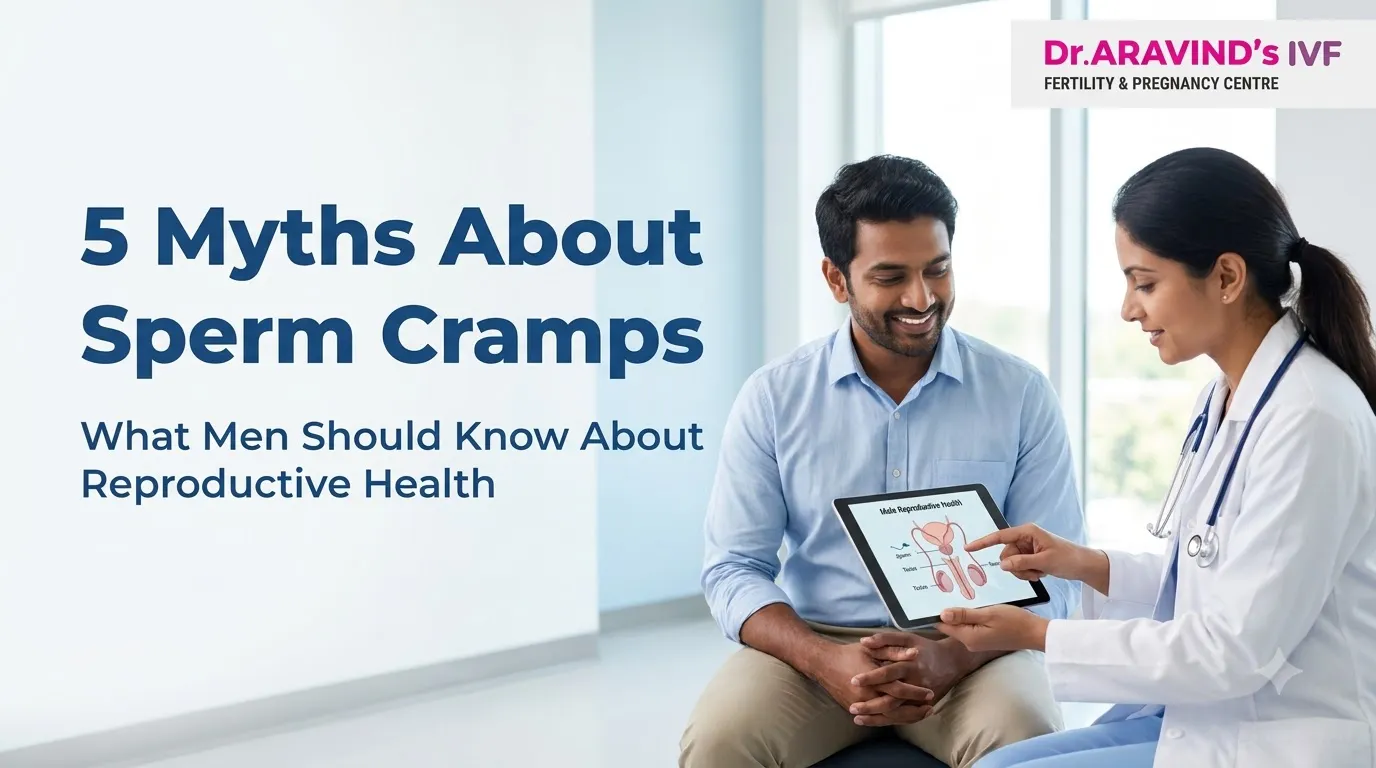
Many men experience testicular discomfort, pelvic pain, or aching after ejaculation and refer to it as “sperm cramps.” Confusing information online can make these symptoms seem more serious than they are—or encourage men to ignore a problem that needs medical attention. The truth is that sperm cramps are not a formal medical diagnosis, and the cause depends on the symptoms and individual circumstances.
Understanding the facts can help you protect your reproductive health, recognize warning signs, and know when to consult a specialist. Here are five common myths about sperm cramps in men and what medical guidance actually tells us.
Myth 1: Sperm Cramps Always Mean a Fertility Problem
Fact: Pain does not automatically mean infertility.
Male fertility depends on factors such as sperm count, sperm movement, sperm shape, hormone levels, and overall reproductive health. Testicular or pelvic pain alone cannot determine whether a man is fertile.
Some men experience discomfort because of muscle tension or temporary irritation, while others may have conditions that require medical assessment. If you are concerned about sperm quality or difficulty conceiving, a semen analysis and appropriate clinical evaluation can provide more useful information than symptoms alone.
Myth 2: Sperm Production Causes All Testicular Pain
Fact: Testicular pain can have several different causes.
Sperm production is a normal biological process and does not usually cause painful cramps by itself. Discomfort in the testicles or groin may instead be associated with conditions such as:
- Epididymitis: Inflammation of the tube behind the testicle, sometimes associated with infection.
- Prostatitis: A prostate-related condition that may cause pelvic discomfort or painful ejaculation.
- Varicocele: Enlarged veins in the scrotum that can cause aching or heaviness.
- Pelvic floor muscle tension: Tight or poorly coordinated muscles that may contribute to pelvic pain.
- Other testicular conditions: These may require examination and, in some cases, ultrasound imaging.
Identifying the actual cause is important because treatment differs from one condition to another.
Myth 3: Pain After Ejaculation Is Always Normal
Fact: Occasional mild discomfort may occur, but recurring or severe pain should be evaluated.
Some men experience temporary aching during or after ejaculation. However, persistent pain, repeated painful ejaculation, swelling, fever, or urinary discomfort should not be dismissed as normal.
A clinician may ask about when the pain started, where it occurs, how long it lasts, and whether other symptoms are present. Depending on the findings, evaluation may include a physical examination, urine testing, infection screening, or other investigations.
Do not take antibiotics without medical advice, as treatment depends on the underlying cause.
Myth 4: Nightfall or Abstinence Causes Harmful Cramps
Fact: Nightfall is generally normal, and abstinence does not usually damage the reproductive system.
Nightfall, also known as a nocturnal emission, is the involuntary release of semen during sleep. It can occur during adolescence and adulthood and is not usually a sign of illness or infertility.
Likewise, choosing not to ejaculate does not ordinarily cause harmful sperm accumulation. Some people may notice temporary genital discomfort associated with sexual arousal, but persistent or intense pain should not automatically be attributed to abstinence.
If symptoms continue or interfere with daily life, medical assessment is more helpful than relying on online explanations.
Myth 5: Home Remedies Can Cure Every Cause of Sperm Cramps
Fact: Self-care may ease mild discomfort, but it cannot treat every underlying condition.
Rest and avoiding activities that worsen discomfort may help with some mild, temporary symptoms. However, infections, significant inflammation, and certain testicular conditions may require specific medical treatment.
Avoid applying excessive heat, taking unprescribed medication, or repeatedly trying home remedies without understanding the cause. Seek medical advice if the pain persists, returns frequently, or occurs with other symptoms.
Important: Sudden, severe testicular pain—especially with swelling, nausea, or vomiting—requires immediate emergency care. Testicular torsion can cut off the blood supply and needs urgent treatment.
When Should You Consult a Fertility Specialist?
Consider consulting a qualified doctor if you experience recurring testicular pain, painful ejaculation, persistent pelvic discomfort, urinary symptoms, or difficulty conceiving.
If you are searching for the best fertility centre in Coimbatore, choose a provider that can explain the evaluation process clearly and recommend investigations based on your individual needs. Remember that testicular pain alone cannot confirm low sperm count or infertility.
Dr.Aravind's IVF Fertility & Pregnancy Centre
At Dr.Aravind's IVF Fertility & Pregnancy Centre, individuals and couples can seek guidance for male and female reproductive health concerns. If you are looking for a fertility specialist in Coimbatore or exploring a best IVF centre in India, a consultation can help determine which fertility assessments or further investigations may be appropriate.
Depending on the clinical findings, care may include semen analysis, hormonal evaluation, fertility counselling, or referral for additional investigations. Treatment recommendations should always be personalized.
Conclusion
Sperm cramps are not a diagnosis, and they do not automatically indicate infertility. The important step is to understand the source of the discomfort rather than believe myths about sperm production, nightfall, or ejaculation. Persistent pain deserves medical attention, while sudden, severe testicular pain requires emergency care.
Frequently Asked Questions
Q1. What are sperm cramps in men?
“Sperm cramps” is an informal term for discomfort in the testicles, groin, pelvis, or lower abdomen. Possible causes include muscle tension, inflammation, infection, or other medical conditions.
Q2. Do sperm cramps mean low sperm count?
No. Pain alone cannot establish sperm count or quality. A semen analysis can help assess sperm concentration and other semen parameters.
Q3. Can sperm cramps occur after ejaculation?
Yes. Some men experience discomfort during or after ejaculation. If the pain is persistent, recurrent, or severe, consult a healthcare professional.
Q4. Can nightfall cause sperm cramps or infertility?
Nightfall is generally a normal biological process and does not usually cause infertility. Persistent pain should be evaluated rather than automatically blamed on nocturnal emissions.
Q5. When should I seek urgent care for sperm cramps?
Seek emergency care immediately for sudden, severe testicular pain, especially with swelling, nausea, or vomiting. Persistent or recurring discomfort also warrants medical assessment.






Sign in to leave a comment.