

A well-designed office does more than provide a place for employees to work. It communicates your brand, guides visitors, creates a professional atmosphere, and helps people navigate the space with confidence. One of the simplest ways to improve all of these elements is through strategic office signage.
For businesses looking for custom office signs in Raleigh, the goal should not be to simply put signs wherever there is an empty wall. Effective signage combines functionality with your company’s visual identity, making every part of your workplace feel intentional and professional.
Here are five important places where custom office signs can make a noticeable difference.
1. Reception and Lobby Areas
Your reception area is often the first physical interaction customers, clients, vendors, and potential employees have with your business. A professionally designed lobby sign can immediately establish a sense of credibility and reinforce your brand identity.
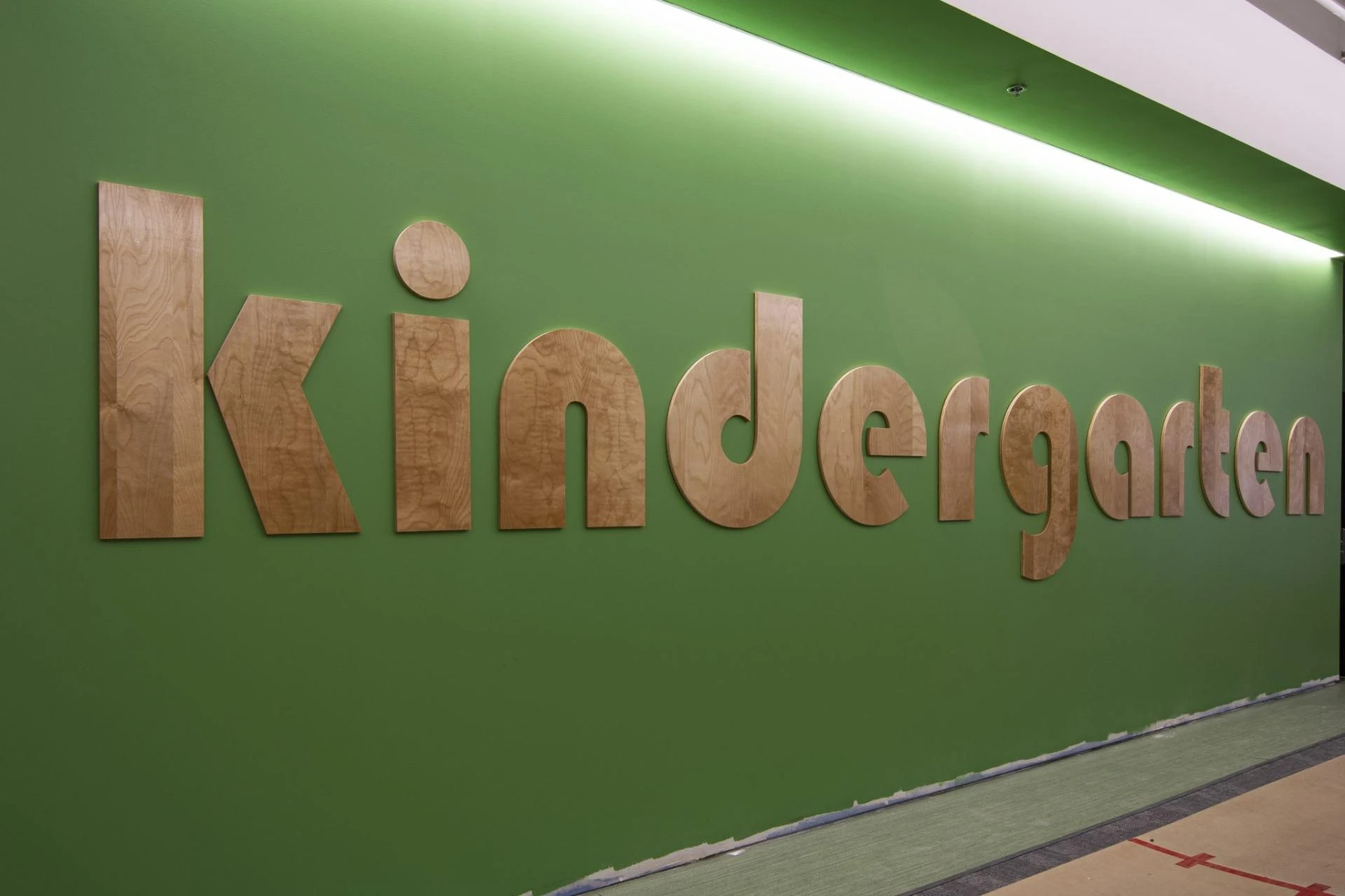
Consider using dimensional lettering, acrylic panels, metal finishes, illuminated elements, or branded wall graphics to create an attractive focal point behind the reception desk.
Your lobby sign can incorporate your company logo, colors, tagline, or other visual elements that reflect your brand. The right design can transform an ordinary reception area into a memorable brand experience without overwhelming the space.
For Raleigh businesses competing for attention in a busy commercial environment, a strong first impression can help create a more polished customer experience.
2. Office and Room Doors
Door signs are among the most practical forms of workplace signage. They help employees and visitors quickly identify individual offices, conference rooms, meeting spaces, and other areas.
Instead of relying on temporary paper labels, professionally produced door signs can create a consistent appearance throughout your facility.
You can customize them with employee names, job titles, department names, room numbers, or specific functions. If your business frequently changes personnel or room assignments, consider sign systems that allow information to be updated easily.
Consistent door signage is particularly useful in larger offices where visitors may need to find a specific person or department without asking for directions.
3. Conference and Meeting Rooms
Conference rooms are more than functional spaces. They are often where important client meetings, presentations, interviews, and team discussions take place.
A customized conference-room sign can help distinguish these spaces while adding another opportunity for branding. Signs can feature room names, numbers, logos, or creative themes that complement your company’s interior design.
For businesses with multiple meeting rooms, a consistent signage system can also make scheduling and navigation easier. You might use names based on local landmarks, company values, departments, or other themes that are meaningful to your organization.
Thoughtful room signage contributes to an organized workplace and gives visitors a clear understanding of where meetings are taking place.
4. Hallways and Wayfinding Areas
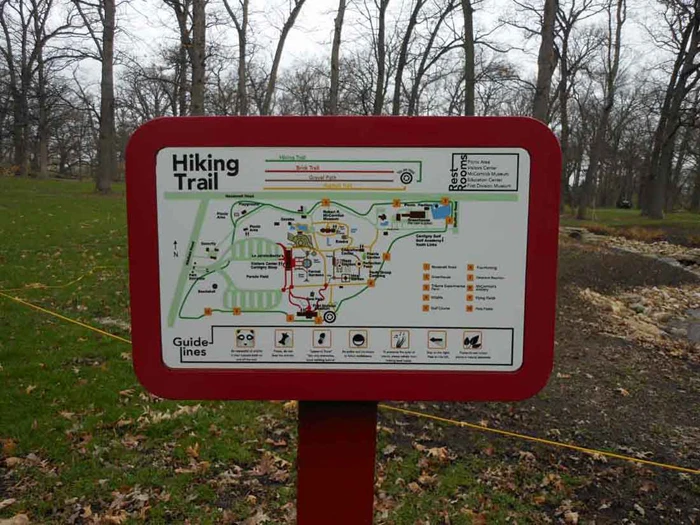
Even a beautifully designed office can become confusing when visitors do not know where to go. Wayfinding signs help direct people toward reception areas, restrooms, departments, exits, elevators, conference rooms, and other important destinations.
Strategically placed directional signs can reduce confusion and make your office easier to navigate.
When designing wayfinding signage, consider visibility, placement, typography, contrast, and consistency. Signs should be easy to understand at a glance rather than filled with unnecessary information.
Businesses with larger facilities can use a coordinated signage system throughout hallways and common areas. This creates a more professional environment while improving the visitor experience.
5. Branded Walls and Employee Areas
Office signage does not have to be limited to directions and identification. Walls throughout your workplace can become opportunities to communicate your company’s personality and values.
Branded wall signs can feature your logo, mission statement, core values, inspirational messaging, company history, or other graphics. These elements can help create a stronger connection between employees and the organization while making the workspace visually engaging.
Employee lounges, waiting areas, collaborative spaces, and break rooms can also benefit from creative signage. Depending on your brand, dimensional lettering, printed graphics, wall murals, or custom displays can turn plain areas into distinctive parts of the workplace.
Why Strategic Office Signage Matters
Effective office signage serves two purposes: function and brand communication. A good sign tells people where they need to go while contributing to the overall appearance of your business.
When signage is thoughtfully designed, different signs can work together as one visual system. Matching colors, fonts, materials, and design elements can create consistency from the lobby to individual offices.
It is also important to consider durability and installation. Commercial signs should be made from materials appropriate for the environment and installed carefully so they maintain a professional appearance over time.
Create a More Professional Raleigh Workplace
From the moment a visitor walks through your entrance to the time they reach a conference room, signage can influence how they experience your business. Lobby signs establish your identity, door signs improve organization, wayfinding helps people navigate, and branded displays add personality to the workplace.
If you are planning a new office, renovating an existing workspace, or refreshing your company’s visual identity, consider how custom signage can bring the entire environment together.
SpeedPro Raleigh-Clayton can help businesses develop professional signage and graphics that combine practical communication with strong visual branding. The right signage can turn an ordinary office into a polished, welcoming, and distinctly branded business environment.






















Sign in to leave a comment.