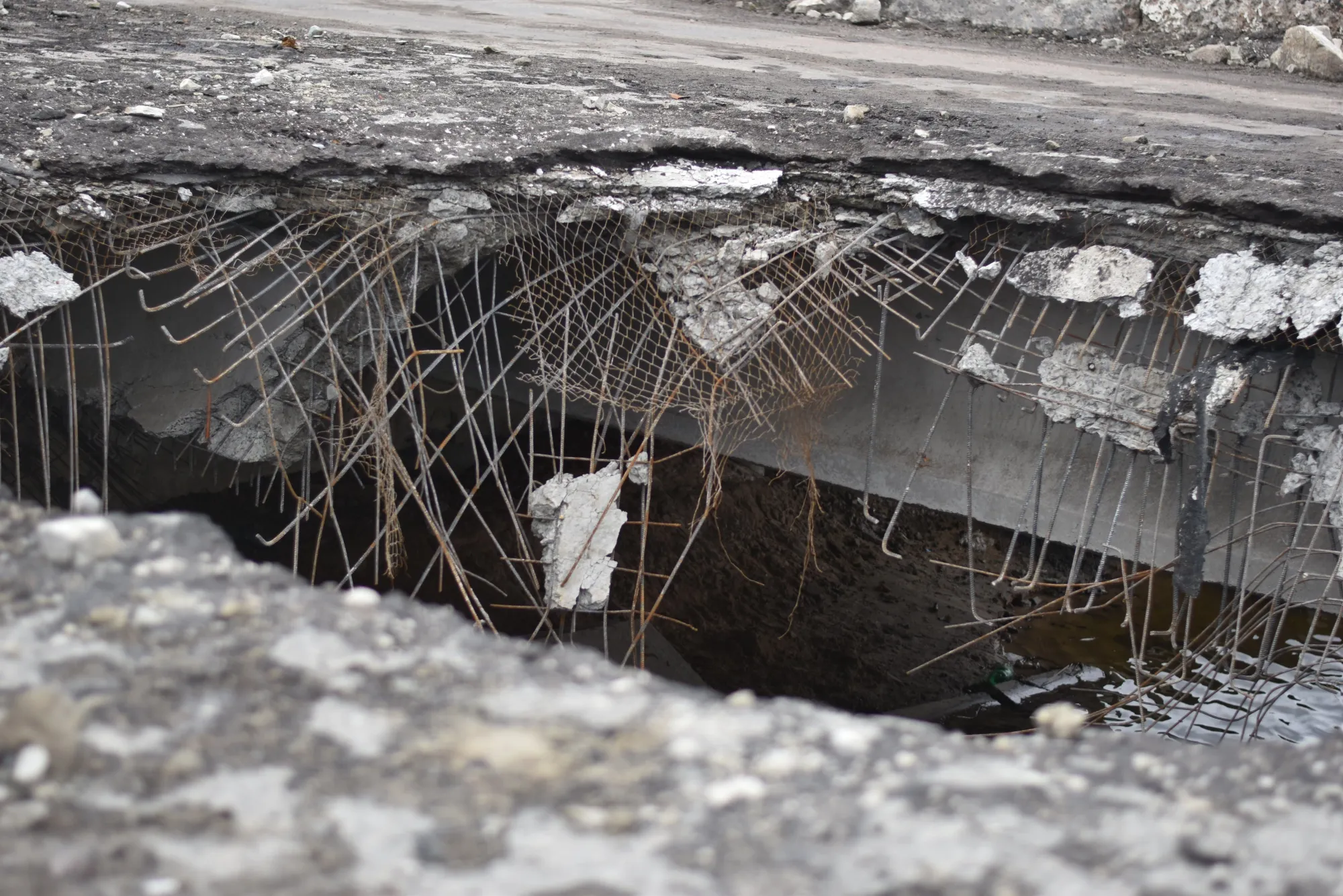

Florida's geology makes sinkhole activity a concern for many property owners. Much of the state sits over limestone bedrock, which can develop cavities as groundwater moves through and gradually dissolves the rock. Changes in the ground above these areas can sometimes affect homes, driveways, yards, and other structures.
Not every crack, depression, or uneven surface indicates a sinkhole. Many property issues have other causes. Knowing the signs can help homeowners recognize when a professional evaluation is needed. Here are five signs to watch for.
1. New Depressions or Low Spots in the Yard
Changes in the ground surface can be an easily identifiable sign of potential sinkhole activity. A depression may appear as a low spot in the yard that wasn't there before. The ground may gradually settle, changing the landscape. In some cases, the depression can become more obvious after heavy rainfall or changes in groundwater conditions.
Of course, not every low spot is related to a sinkhole. Poor drainage, erosion, landscaping changes, and other factors can also alter the ground surface. The timing and progression of the change make the difference. A depression that continues to develop or appears alongside other signs of ground movement deserves closer attention.
2. A Sloping or Uneven Yard
A yard that develops a noticeable slope may indicate changes beneath the surface. Florida's soil and limestone geology make some areas susceptible to ground movement. When underlying conditions change, sections of soil may settle differently, creating an uneven surface.
Homeowners may notice that an area that was previously level now appears to slope toward one direction. Outdoor structures, fences, walkways, or other features may also appear uneven as the surrounding ground changes.
A gradual change may be easy to overlook, particularly when it develops over a long period. Comparing current conditions with older photographs of the property can help identify changes that may otherwise be difficult to notice.
3. Cracks in Concrete
Cracks in concrete can occur for many reasons, including normal settlement, temperature changes, and other stresses. They can also occur with ground movement. Watch for new or widening cracks in driveways, sidewalks, patios, garage floors, or other concrete surfaces. A pattern of cracking across multiple areas may be more significant than one isolated crack.
Elevation changes can also provide useful context. If a concrete slab appears uneven while cracks are developing, the combination may warrant a professional assessment.
Concrete damage alone does not establish that a sinkhole is present. An inspection is needed to determine what is causing the movement and whether the underlying soil or ground conditions are involved.
4. Tilting or Shifting Structures
Noting changes to structures around a property is also an early detection method. Fences, retaining structures, porches, or other exterior features may begin to tilt or shift when the ground beneath them moves. A structure that was previously level may develop a noticeable change in position.
The same principle applies to the home itself. Doors or windows that suddenly become difficult to open can sometimes accompany structural movement, although they can also result from many other conditions.
Homeowners should consider whether several changes are occurring simultaneously. Tilting structures, combined with yard depressions or new concrete cracks, are clear signs that it’s time to investigate the property's condition.
5. Changes That Appear After Major Weather or Groundwater Shifts
Florida's weather and groundwater conditions can influence soil stability. Heavy rainfall can saturate soil and change groundwater conditions. Drought can have different effects by altering groundwater levels and the amount of water available underground. Significant changes in groundwater levels can alter subsurface conditions.
These changes do not mean that every period of heavy rain or drought will cause sinkhole activity. They are environmental factors that can aggravate areas already susceptible to sinkhole development. Homeowners who notice new depressions, cracks, or shifting structures following significant changes in weather or groundwater conditions should document their observations.
What Should You Do If You Notice These Signs?
Well, first—don't assume that every sign means a sinkhole. Many common property problems can produce similar symptoms. Concrete can crack without significant ground movement, yards can settle for several reasons, and structures can shift because of issues unrelated to sinkhole activity.
A professional inspection can help determine what is actually happening. An evaluator can assess visible damage and investigate the underlying conditions contributing to ground movement. The goal is to identify the cause before determining what type of repair is appropriate. Early evaluation can also clarify whether a problem is changing over time.
Homeowners can help by documenting new cracks and changes in the ground. Photographs taken from the same locations can make it easier to compare conditions over weeks or months. Recording when a depression, crack, or structural change first appeared can also provide useful information during an inspection.
How Is Sinkhole Damage Repaired?
The appropriate repair depends on the cause and extent of the ground movement. Possible solutions can include grouting, underpinning, or soil stabilization. These methods address different conditions, so no single repair applies to every property.
Sinkhole repair may involve excavating an affected area to expose the defect and stabilizing the ground. One approach described for sinkhole repair is the inverted cone filter method, which involves lining the affected area with geotextile fabric, filling it with compacted stone, and compacting the surrounding soil. The appropriate method should be determined after evaluating the property, not based solely on visible damage.
Why Early Evaluation Matters
Sinkhole-related ground movement can be difficult for homeowners to assess from the surface. A small depression or crack may have a straightforward explanation, while a combination of changes could indicate a more significant issue. Early recognition allows homeowners to investigate those changes before additional damage develops.
The key is to look at the property as a whole. A new yard depression, uneven ground, cracked concrete, or tilting structure does not automatically mean a sinkhole is present. Multiple signs occurring together, particularly when they develop or worsen over time, provide a stronger reason to seek professional advice.
When an underlying ground problem is confirmed, sinkhole repair can be considered based on the property's specific conditions. The right approach depends on the inspection findings and the nature of the ground movement.






















Sign in to leave a comment.