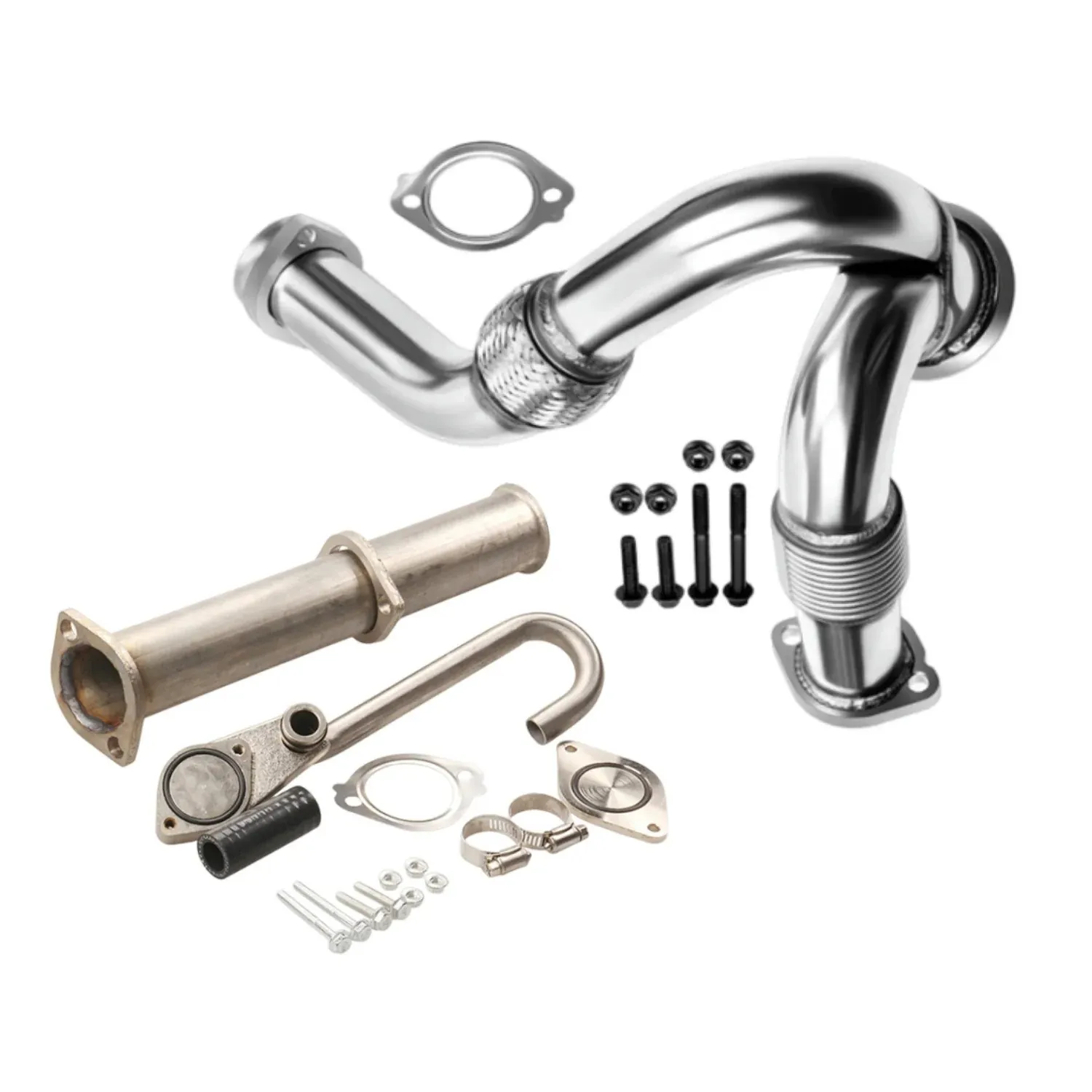


Diesel engine owners often explore different ways to improve reliability, simplify maintenance, and understand the systems that affect long term performance. One modification that frequently comes up among 6.0L Powerstroke enthusiasts is the 6.0L Powerstroke EGR Valve Cooler Delete. The exhaust gas recirculation system plays an important role in emissions control, but its components can also become a point of concern when an older diesel engine develops cooling, clogging, or exhaust related problems. Understanding how the EGR valve and cooler work can help owners make more informed decisions about maintenance and engine configuration.
Understanding the 6.0L Powerstroke EGR System
The 6.0L Powerstroke uses an exhaust gas recirculation system to redirect a controlled amount of exhaust gas back into the engine intake. This process lowers combustion temperatures and helps reduce nitrogen oxide emissions. The EGR valve regulates the flow, while the EGR cooler transfers heat away from the recirculated exhaust gases using engine coolant. Because these components operate in a demanding environment, they experience high temperatures, pressure changes, and continuous exposure to exhaust contaminants.
Why the EGR Cooler Gets Attention
The EGR cooler has become a commonly discussed component because failures can affect both the cooling system and engine operation. A damaged or restricted cooler may allow coolant to enter areas where it should not, depending on the nature of the failure. Some owners also encounter symptoms such as unexplained coolant loss, overheating under load, white exhaust smoke, or changes in engine performance. These symptoms can have several possible causes, so proper diagnosis should come before replacing or modifying any component.
What an EGR Cooler Delete Involves
An EGR cooler delete generally refers to removing or bypassing the factory EGR cooler and installing components designed for the modified configuration. On a 6.0L Powerstroke, this can involve changes to coolant routing and exhaust or intake connections. The exact installation depends on the hardware being used and the vehicle configuration. Since the factory EGR system is part of the emissions system, removing or disabling it may also affect emissions compliance and vehicle inspection requirements.
Potential Reliability Considerations
Supporters of an EGR cooler modification often focus on reducing the possibility of cooler related failures. Eliminating a component that can develop internal leaks may appear attractive for an older work truck that operates under demanding conditions. However, a modification does not automatically resolve every cooling or performance problem. Issues involving the head gaskets, oil cooler, cooling system, turbocharger, or fuel system can produce similar symptoms. A complete diagnostic process remains important before assuming the EGR cooler is responsible.
Cooling System Maintenance Still Matters
Removing an EGR cooler does not eliminate the need for proper cooling system maintenance. The 6.0L Powerstroke depends on appropriate coolant condition, correct coolant levels, and effective heat transfer throughout the engine. Owners should monitor coolant condition and inspect hoses, connections, the radiator, water pump, and thermostat as part of regular maintenance. Poor cooling system maintenance can contribute to other engine problems even when the EGR cooler is no longer part of the configuration.
Legal and Emissions Considerations
Before considering a 6.0L Powerstroke EGR Valve Cooler Delete, vehicle owners should understand the legal requirements that apply to their location and vehicle use. The EGR system is installed as part of the vehicle's emissions control equipment, so removing or disabling it may violate emissions regulations in some jurisdictions. A modification intended for an off road or competition application can have different requirements from equipment used on public roads. Checking applicable regulations is therefore an essential part of planning any EGR related modification.
Choosing Components for a Modified Configuration
If an owner is working on a vehicle where such a modification is legally permitted, component quality and compatibility deserve careful attention. Parts should be designed specifically for the 6.0L Powerstroke platform and match the vehicle's year and existing hardware. Poorly fitted components can create coolant leaks, exhaust leaks, intake problems, or other reliability concerns. Installation should also follow the manufacturer's instructions and include careful inspection of every connection after the work is completed.
Diagnosis Before Modification
A practical approach starts with identifying the actual problem. Cooling system pressure testing, inspection of coolant levels, examination of exhaust symptoms, and appropriate engine diagnostics can help narrow down the cause of a problem. If an EGR cooler is suspected, confirming its condition before making major changes can prevent unnecessary work. This is particularly important because several 6.0L Powerstroke issues can overlap in their symptoms, making assumptions costly.
Long Term Maintenance After EGR Work
After any major change to the EGR system, owners should pay close attention to coolant levels, engine temperatures, leaks, exhaust behavior, and overall drivability. Regular oil and filter service remains important, while turbocharger and fuel system maintenance should also be part of a broader diesel maintenance strategy. Keeping detailed service records can make future troubleshooting easier and help identify developing problems before they become major repairs.
Conclusion
The 6.0L Powerstroke EGR Valve Cooler Delete is a modification that requires more consideration than simply removing a single component. Understanding the purpose of the EGR system, recognizing possible cooler failure symptoms, checking local emissions requirements, and using compatible components are all important steps. For owners focused on long term reliability, careful diagnosis and preventive maintenance should remain priorities. A well maintained cooling system and properly diagnosed engine can provide a stronger foundation for dependable 6.0L Powerstroke operation.




























Sign in to leave a comment.