
Have you ever noticed a large pond near a residential community, shopping center, office complex, or roadway and wondered why it was built there?
It may look like a simple water feature, but a retention pond has a much bigger job. These ponds are designed to collect and manage stormwater, helping control what happens to rainwater after it falls on roads, rooftops, parking lots, and other developed surfaces.
Without proper stormwater management, heavy rain can lead to flooding, erosion, and polluted runoff entering nearby streams and lakes.
That is why retention ponds are an important part of many communities. They help manage water, protect surrounding areas, and can even provide space for plants and wildlife.
However, simply having a retention pond isn't enough. Regular care is needed to keep it working properly. This is where retention pond maintenance in Madison becomes important for homeowners' associations, commercial property owners, and communities.
Let's look at seven important reasons these ponds matter.
1. Retention Ponds Help Manage Heavy Rainfall
One of the main purposes of a retention pond is to manage stormwater.
When a heavy rainstorm hits a developed area, water can quickly flow across roofs, driveways, parking lots, and roads. Since these surfaces don't absorb much water, runoff can build up quickly.
A retention pond gives that water somewhere to collect.
The pond holds stormwater and allows it to leave through a controlled outlet. This helps reduce the sudden flow of water into downstream drainage systems and waterways.
It doesn't mean a retention pond can prevent every flood. Its effectiveness depends on proper design, capacity, drainage conditions, and maintenance. Still, it plays an important role in a larger stormwater management system.
2. They Can Help Reduce Erosion
Fast-moving water can cause serious erosion.
When stormwater travels quickly through drainage channels or across exposed soil, it can wash away soil and weaken pond banks, stream edges, and surrounding landscapes.
A retention pond slows down the movement of stormwater.
As water enters the pond and spreads across a larger area, its flow becomes less intense. This can help reduce the amount of soil carried downstream.
But the pond itself can experience erosion if its banks aren't maintained. Signs such as bare soil, exposed roots, cracks, or areas where water is cutting into the shoreline shouldn't be ignored.
Regular inspections can help identify these issues before they become bigger problems.
3. Retention Ponds Can Improve Stormwater Quality
Rainwater may look clean, but runoff from developed areas can carry plenty of unwanted material.
As water moves across roads, parking lots, lawns, and other surfaces, it can pick up:
- Soil and sediment
- Leaves and organic debris
- Fertilizers
- Litter
- Pet waste
- Oil and other pollutants
A retention pond can help remove some of these materials before the water moves farther downstream.
When runoff enters the pond, the slower water allows heavier sediment to settle. Vegetation around the pond can also help slow runoff and support natural processes that improve water quality.
Over time, however, sediment can build up inside the pond. Too much sediment can reduce its storage capacity and interfere with normal water flow.
This is one reason ongoing maintenance matters.
4. They Can Create Habitat for Local Wildlife
A retention pond doesn't have to be useful only for stormwater management.
When properly planned and maintained, it can also provide habitat for birds, frogs, insects, and other wildlife.
Vegetation around the shoreline can provide shelter and food, while the water itself can support various aquatic organisms.
Native plants can be especially useful in appropriate areas because they can help stabilize soil and create a more natural environment.
However, too much vegetation isn't always a good thing. Invasive plants, excessive algae, and uncontrolled growth can interfere with the pond's function and make maintenance more difficult.
The goal is to maintain a healthy balance between natural habitat and proper stormwater management.
5. A Well-Maintained Pond Can Improve the Look of a Property
Stormwater infrastructure doesn't always have to look like infrastructure.
A clean, well-maintained retention pond can become an attractive part of a neighborhood, business property, or commercial development.
Healthy vegetation, maintained banks, clear water, and properly functioning drainage structures can make the surrounding area look cared for.
On the other hand, accumulated trash, excessive weeds, damaged banks, or clogged drainage structures can make the property look neglected.
This is particularly important for communities and commercial properties where appearance plays a role in how residents, visitors, customers, and property owners view the area.
6. Regular Maintenance Helps Keep the Pond Working
A retention pond may be designed to last for many years, but it still needs regular attention.
Stormwater continuously brings sediment and debris into the system. Vegetation grows, banks can erode, and inlet or outlet structures can become blocked.
If these problems are ignored, they can gradually affect how well the pond performs.
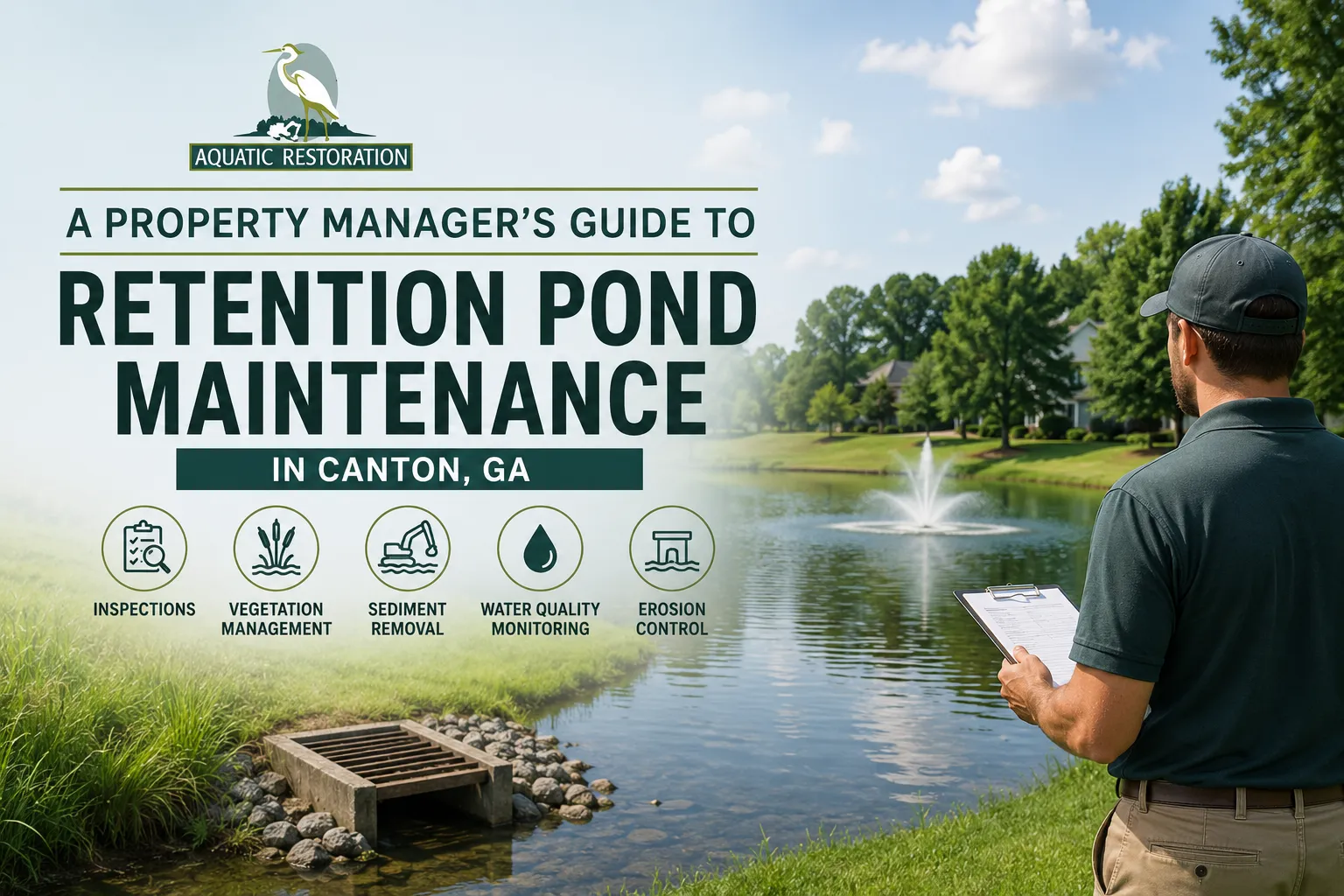
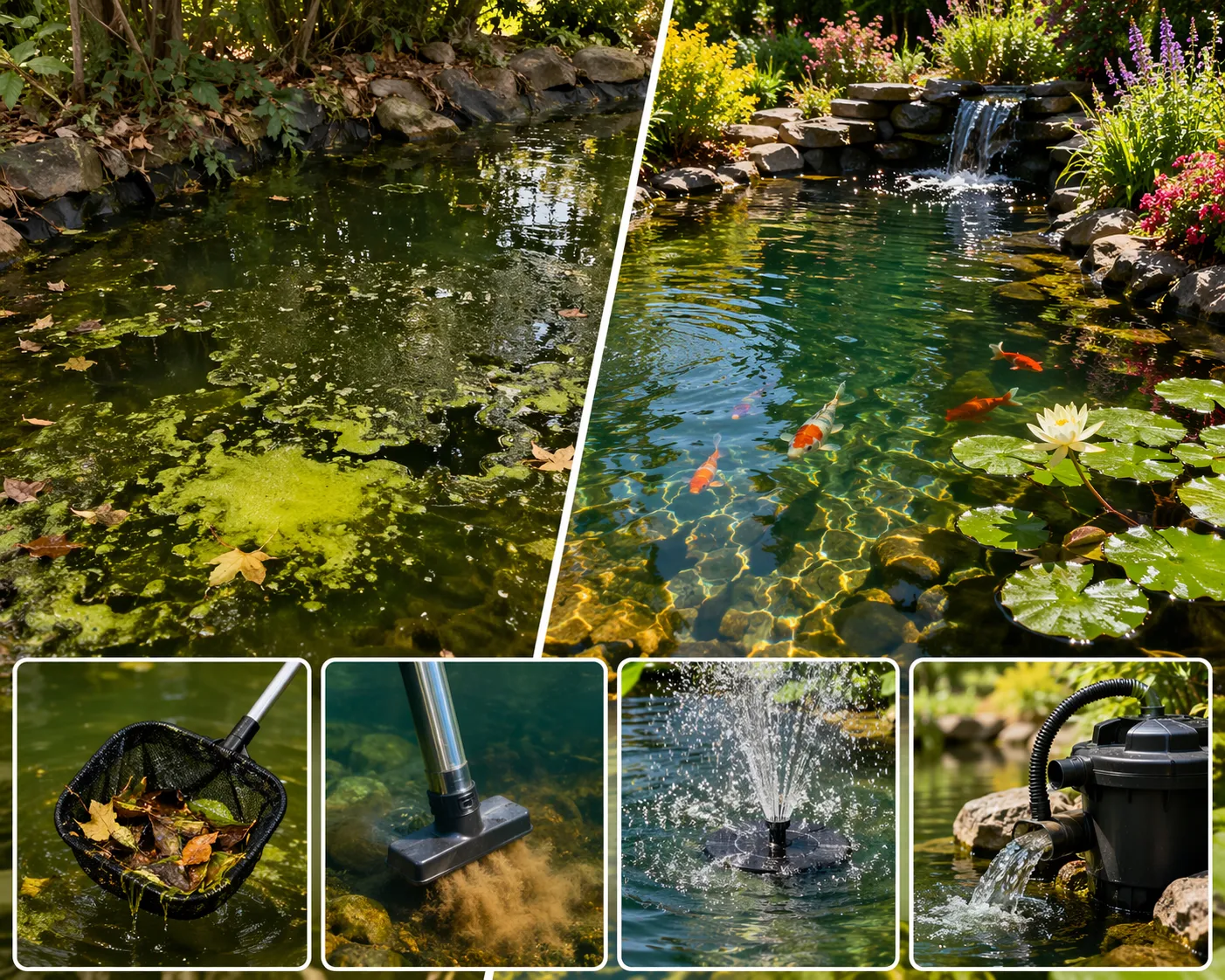
Regular retention pond maintenance in Madison can include several different tasks depending on the pond's design and condition.
Common maintenance tasks include:
Removing debris:
Leaves, branches, litter, and other debris can collect around inlets and outlets. Clearing these areas helps maintain proper water movement.
Managing vegetation:
Some vegetation is beneficial, but invasive or excessive growth may need to be controlled.
Inspecting pond banks:
Erosion can weaken slopes and allow additional sediment to enter the water.
Checking drainage structures:
Inlets, outlets, pipes, and other structures should be checked for blockages or visible damage.
Managing sediment:
If sediment becomes excessive, professional removal or dredging may be necessary.
Maintenance isn't about making the pond look perfect. It's about keeping the system functional, safe, and in good condition.
7. Retention Ponds Support Better Community Planning
As communities grow, more land is covered by buildings, roads, sidewalks, and parking areas.
This changes how rainwater moves across the landscape.
Instead of naturally soaking into the ground, more rainfall becomes surface runoff. Stormwater systems, including retention ponds, help communities manage this additional water.
A properly designed pond can become one part of a larger drainage system that includes storm drains, swales, pipes, channels, and other infrastructure.
This makes retention ponds especially useful in growing residential and commercial areas.
For community associations and property managers, keeping these systems in good condition is an important part of responsible property management.
What Can Happen When a Retention Pond Is Neglected?
Retention ponds don't usually fail overnight.
Problems often develop slowly.
Sediment may accumulate at the bottom. Vegetation can become overgrown. A small area of erosion can gradually become larger. Debris may collect around an outlet and restrict water movement.
These issues may seem minor individually, but together they can affect the pond's ability to perform its intended job.
That's why it's better to identify maintenance problems early.
Property managers, HOAs, and business owners should have a routine inspection plan and know who to contact when professional help is needed.
If you notice significant sediment buildup, damaged banks, blocked drainage structures, or other concerns, you can contact a pond maintenance professional for an assessment.
How Often Should a Retention Pond Be Checked?
There isn't one maintenance schedule that works for every retention pond.
The appropriate schedule depends on the pond's size, design, surrounding property, vegetation, drainage area, local requirements, and weather conditions.
However, regular visual inspections are a good starting point.
It's also helpful to check the pond after major storms. Heavy rainfall can reveal erosion, blockages, unusual water levels, and other problems that may not be obvious during normal conditions.
Keeping a simple record of inspections can also help property managers notice changes over time.
What Should You Look for During an Inspection?
You don't need complicated equipment to spot many common problems.
During a routine inspection, look for:
- Blocked or damaged inlet and outlet structures
- New areas of erosion
- Excessive algae growth
- Uncontrolled vegetation
- Floating or accumulated debris
- Unusual water levels
- Damaged fencing or safety features
- Visible sediment buildup
- Changes in the pond's shoreline
Some issues can be handled through routine maintenance, while others require an experienced professional.
Retention Pond vs. Detention Pond
Retention and detention ponds are often confused, but they don't work in exactly the same way.
A retention pond is generally designed to maintain a permanent pool of water while also managing stormwater.
A detention pond, on the other hand, is generally designed to temporarily hold stormwater and release it gradually. Depending on its design, it may remain dry between rainfall events.
Both types are used to manage stormwater, but their designs and maintenance requirements can be different.
Final Thoughts
Retention ponds may seem like ordinary ponds, but they perform an important job behind the scenes.
They help manage stormwater, slow runoff, reduce erosion, support water-quality improvements, and provide habitat for wildlife. They can also become an attractive part of a well-planned community.
But a retention pond can only perform these functions properly when it is cared for.
Routine inspections, debris removal, vegetation management, erosion checks, and sediment management can all contribute to a healthier and more functional pond.
For communities and property owners, retention pond maintenance in Madison isn't simply about keeping a pond looking clean. It's about protecting an important part of the property's stormwater system.
And while a pond may quietly sit beside a road or neighborhood, the work it does during and after a major storm can be anything but quiet.
Frequently Asked Questions
Do retention ponds prevent flooding?
Retention ponds can help reduce the impact of stormwater by storing and controlling runoff. However, they aren't designed to eliminate all flooding. Their effectiveness depends on the overall drainage system, pond capacity, design, and maintenance.
Why does sediment collect in a retention pond?
Stormwater can carry soil and other particles into the pond. When the water slows down, heavier particles settle to the bottom. Over time, this creates sediment buildup.
Can a retention pond become overgrown?
Yes. Vegetation can grow quickly around water and wet areas. Some plant growth is useful, but invasive or excessive vegetation can interfere with maintenance and pond function.
Is pond maintenance only about appearance?
No. Appearance is only one part of it. Maintenance helps protect the pond's drainage structures, storage capacity, banks, water flow, and overall function.
Does every retention pond need dredging?
No. Dredging is not automatically required for every pond. It may be considered when sediment accumulation becomes significant enough to affect the pond's capacity or operation.























Sign in to leave a comment.