7 Performance Factors That Matter for Everyday Transportation

Introduction
Choosing the right mode of everyday transportation involves more than simply getting from one place to another. Whether commuting to work, running errands, attending school, or navigating a busy city, transportation performance has a direct impact on convenience, efficiency, comfort, and overall satisfaction. As modern transportation options continue to expand, consumers have more choices than ever before, including personal vehicles, bicycles, public transit, and electric mobility solutions.
While different transportation methods offer unique advantages, several core performance factors consistently influence the quality of the daily travel experience. Understanding these factors can help individuals make informed decisions based on their lifestyle, travel habits, and long-term needs. By evaluating transportation through a performance-focused lens, it becomes easier to identify solutions that support both reliability and practicality.
Reliability and Consistency
One of the most important performance factors in everyday transportation is reliability. People depend on transportation systems and vehicles to help them arrive on time for work, appointments, school, and other responsibilities. When transportation is unreliable, even short delays can create significant disruptions throughout the day.
Reliable transportation should perform consistently across a variety of conditions. This includes maintaining predictable operation during busy travel periods, changing weather conditions, and regular daily use. Consistency helps reduce uncertainty and allows users to plan their schedules with greater confidence.
For personal transportation options, reliability often depends on build quality, battery performance, maintenance requirements, and overall durability. A well-maintained transportation solution typically provides greater peace of mind and reduces the likelihood of unexpected interruptions.
Individuals who prioritize reliability often find it easier to maintain productive routines and minimize daily stress associated with commuting and travel.
Range and Travel Capability
Another critical factor is the ability to travel sufficient distances without interruption. The distance a transportation option can comfortably support directly affects its practicality for everyday use.
Commuters should consider their typical daily travel requirements and evaluate whether a transportation solution can consistently meet those demands. Factors such as route length, elevation changes, traffic conditions, and available charging or refueling infrastructure can all influence overall capability.
Range becomes particularly important for individuals who rely on transportation throughout the day rather than for a single commute. Frequent travelers often benefit from solutions that offer flexible usage without requiring constant recharging, refueling, or extensive downtime.
Higher performance transportation options typically provide greater versatility by supporting both short local trips and longer routine journeys. This flexibility can be valuable when schedules change or unexpected travel needs arise.
A transportation solution that aligns with daily usage requirements is often more practical and efficient over the long term.
Comfort and Ride Quality
Performance is not solely about speed or distance. Comfort plays a major role in determining how enjoyable and sustainable a transportation option will be over time.
Daily commuters often spend significant amounts of time traveling, making ride quality an important consideration. Comfortable seating, stable handling, effective suspension systems, and ergonomic design features contribute to a more pleasant experience.
Even relatively short trips can become uncomfortable if transportation equipment is poorly designed or lacks appropriate support. Excessive vibration, limited shock absorption, or awkward positioning may lead to fatigue and discomfort during regular use.
For urban transportation users, comfort can also influence productivity and energy levels. Arriving at a destination feeling refreshed rather than fatigued can have a positive impact on work performance and overall well-being.
When evaluating transportation options, comfort should be viewed as a performance feature rather than a luxury. A smoother and more comfortable ride often leads to greater long-term satisfaction.
Efficiency and Operating Costs
Cost efficiency is another major consideration for everyday transportation. Performance should include not only how well a vehicle or transportation solution operates but also the resources required to keep it running.
Operating expenses may include fuel, electricity, maintenance, repairs, insurance, registration fees, and replacement parts. Transportation options that deliver strong performance while minimizing ongoing expenses can provide substantial value over time.
Efficiency becomes increasingly important for individuals who travel frequently or maintain long commutes. Even modest reductions in daily operating expenses can result in significant long-term savings.
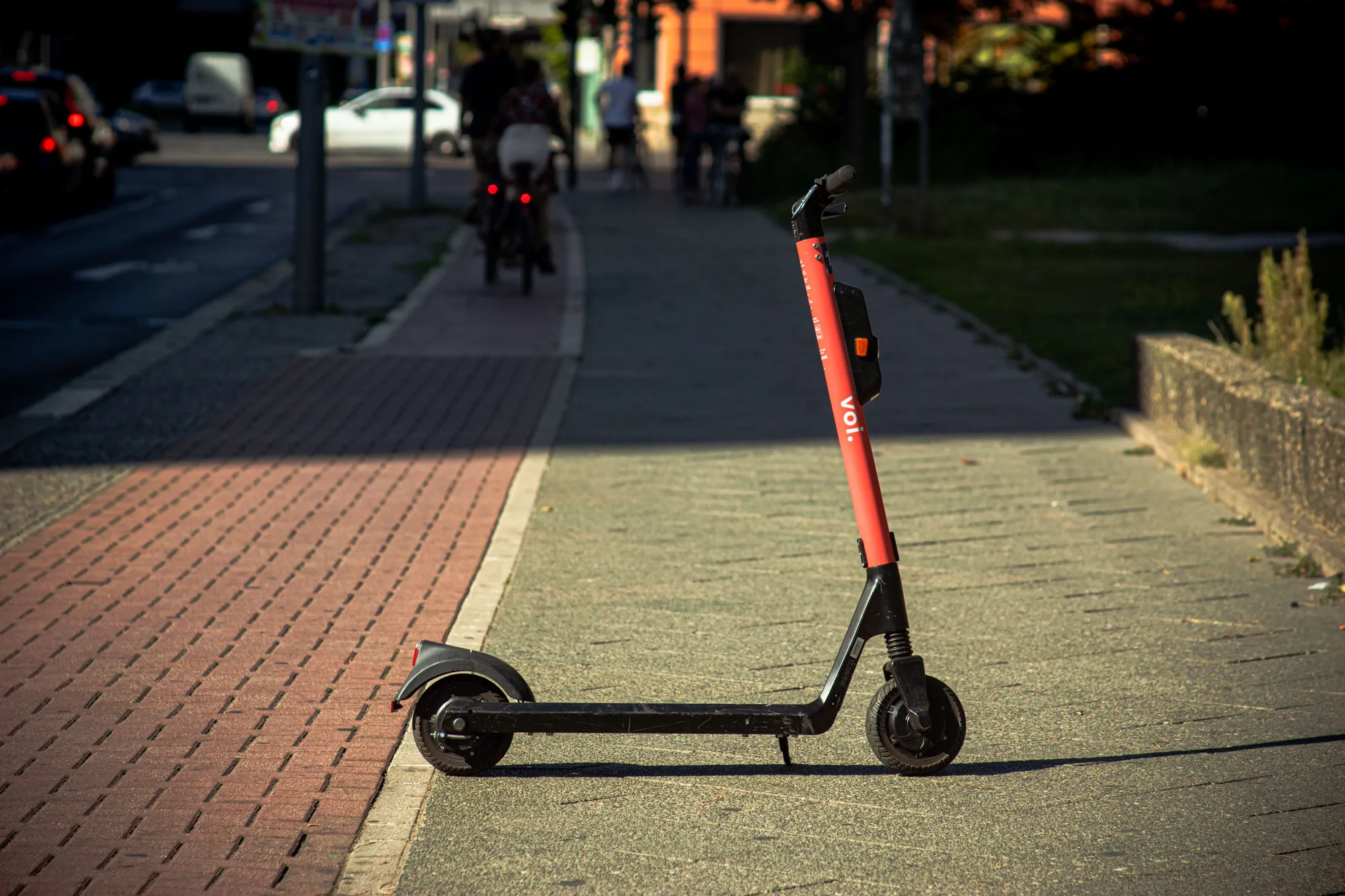
Many consumers are now exploring alternatives that offer a balance between affordability and convenience. For example, individuals interested in reputable E-scooter travel often evaluate battery efficiency, charging requirements, maintenance costs, and durability alongside performance specifications when comparing available options.
A focus on efficiency helps ensure that transportation remains practical and financially sustainable over the long term.
Safety and Stability
Safety remains one of the most essential performance factors in any transportation decision. Regardless of speed, range, or convenience, transportation should provide a secure and stable experience for the user.
Safety considerations often include braking performance, visibility, handling characteristics, structural design, lighting systems, and overall operational stability. Reliable safety features help reduce risks and improve user confidence during daily travel.
Environmental conditions can also influence safety performance. Wet surfaces, uneven pavement, traffic congestion, and nighttime travel all place additional demands on transportation systems. Equipment that performs consistently under varying conditions often provides superior long-term value.
Users should evaluate how transportation options support safe decision-making and accident prevention. Strong safety performance not only protects individuals but also contributes to greater peace of mind during everyday use.
Transportation solutions that balance performance with safety often provide the most dependable and practical experience.
Portability and Convenience
Convenience has become an increasingly important factor as people seek transportation solutions that integrate smoothly into modern lifestyles. The ability to store, transport, access, and use a vehicle efficiently can significantly affect overall satisfaction.
For urban commuters, convenience may involve parking availability, storage requirements, ease of use, and compatibility with public transit systems. Transportation options that support flexible movement between different travel modes often provide additional value.
Portability is particularly useful for individuals with limited storage space or those who combine multiple transportation methods throughout their daily routines. Compact and easy-to-manage solutions can make everyday travel more efficient while reducing logistical challenges.
Convenience also includes how quickly transportation can be prepared for use and how easily it fits into existing schedules. Time-saving features often improve productivity and encourage more consistent usage.
A transportation option that simplifies daily routines can provide meaningful advantages beyond basic mobility.
Adaptability to Changing Needs
The final performance factor is adaptability. Transportation needs often evolve due to changes in work schedules, living situations, family responsibilities, or travel patterns.
A transportation solution that performs well under multiple conditions can offer greater long-term value than one designed for only a narrow range of scenarios. Adaptability may involve handling different distances, supporting varied riding conditions, or integrating with broader transportation networks.
Flexible options help individuals respond to evolving needs without requiring frequent replacements or major adjustments. This versatility often improves long-term satisfaction and helps maximize the return on transportation investments.
Performance should be evaluated not only based on current requirements but also on how effectively a solution can support future needs as circumstances change over time.
Conclusion
Everyday transportation performance depends on a combination of reliability, range, comfort, efficiency, safety, convenience, and adaptability. Each of these factors contributes to a transportation experience that supports productivity, reduces stress, and aligns with individual travel requirements. By carefully evaluating these performance considerations, consumers can make more informed decisions and select transportation solutions that provide lasting value. A strong transportation choice is one that consistently supports daily routines while remaining practical, dependable, and efficient over the long term.





Sign in to leave a comment.