

Green screen production gives filmmakers, content creators, businesses, and production teams more creative flexibility. Instead of filming every scene in a physical location, a green screen allows you to replace the background during post-production with a digital environment, branded setting, visual effect, or custom backdrop.
However, not every studio offers the same space or production setup. Before booking a green screen studio in Toronto, it is important to understand what the studio provides and whether it fits your project. Asking the right questions beforehand can help you prepare your crew, equipment, talent, and production schedule more effectively.
Here are seven questions worth asking before confirming your studio booking.
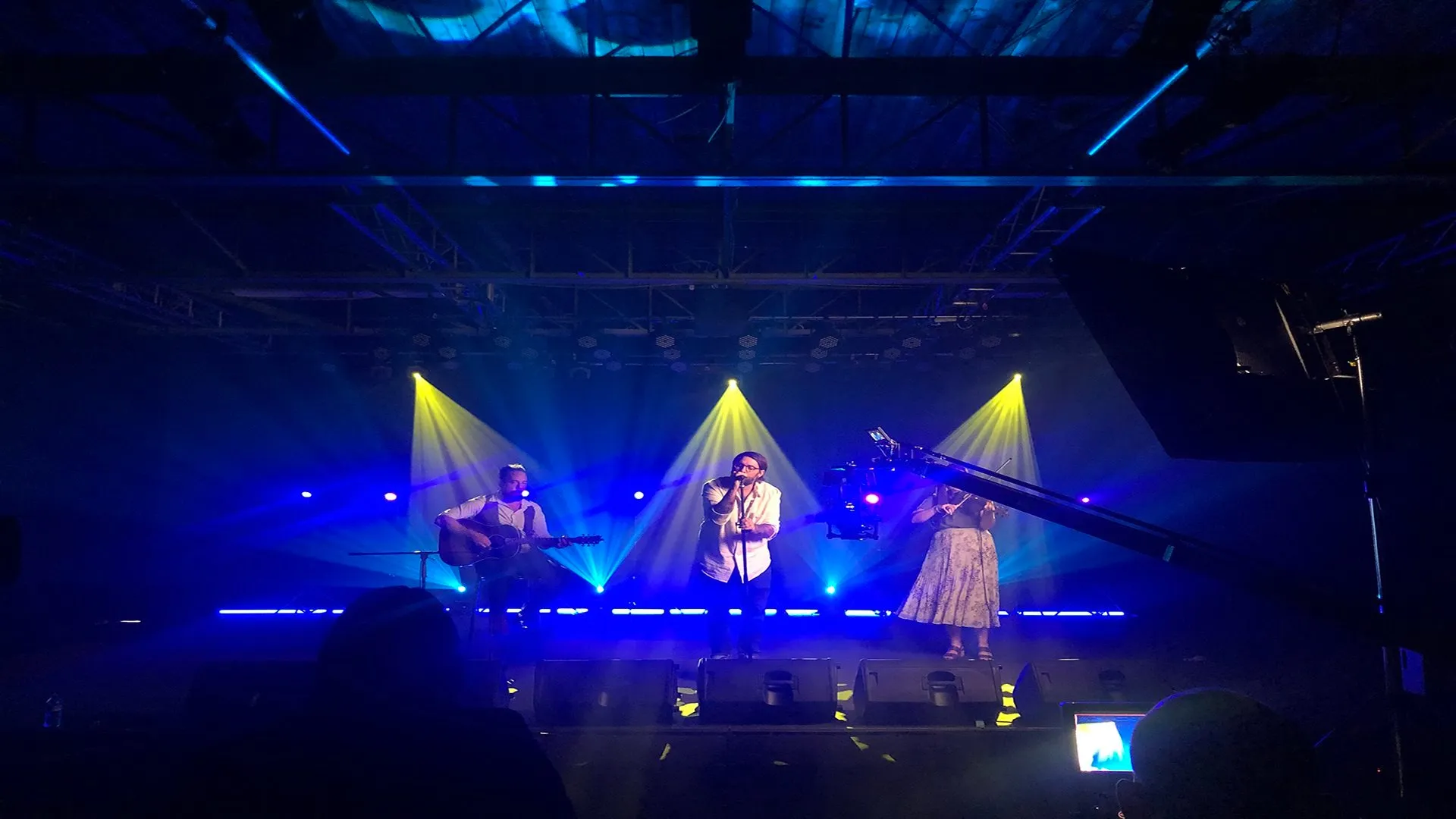
1. How Much Studio Space Is Available?
Studio size can affect almost every part of your production. Before booking, ask about the available floor space and ceiling height.
Your production may need room for cameras, lighting stands, performers, crew members, props, and other equipment. A larger setup may also require enough distance between the subject and the green screen to reduce unwanted shadows and make filming easier.
Consider your planned camera angles and movement as well. If you need wide shots or tracking shots, make sure the studio can accommodate them comfortably.
2. What Does the Green Screen Studio in Toronto Include?
When comparing a green screen studio in Toronto, ask exactly what is included with the rental. The studio itself is only one part of the production environment.
Depending on the facility, you may need access to suitable lighting, power, production areas, sound facilities, or other equipment. Ask whether you can bring your own cameras, lights, and accessories and whether there are any restrictions on how the space can be arranged.
Before booking, create a simple equipment checklist and compare it with the studio's available facilities. This can help you identify anything your team needs to bring separately.
3. Is the Green Screen Properly Lit?
Lighting is one of the most important parts of successful green screen production. Uneven lighting can create darker areas, bright spots, and inconsistent green tones that make keying more difficult during editing.
Ask how the green screen area is lit and whether your production team can adjust the lighting setup.
You should also consider:
- Even illumination across the screen
- Shadows behind the subject
- Reflections from clothing or props
- Distance between the subject and screen
- Space for additional lighting equipment
Good preparation during filming can make the editing and compositing process much easier later.
4. What Camera Setup Does the Studio Support?
Different productions require different camera positions and movements. Before booking, discuss your planned shots with the studio.
If you need multiple cameras, wide angles, close-ups, or moving shots, make sure there is enough space to position your equipment properly.
Also consider whether your production requires tripods, sliders, stabilizers, or other camera-support equipment. Knowing the studio's available space and restrictions can help your team plan the shoot more accurately.
5. Can I Bring My Own Props and Equipment?
Props, costumes, cameras, lighting equipment, and set pieces can all be part of a green screen production. Ask the studio about its policies for bringing outside equipment and materials.
You should also check whether there are restrictions on attaching items to walls, moving equipment, or changing the studio arrangement.
If your production involves large props or multiple performers, provide the studio with those details before your booking. This allows both sides to confirm that the space is suitable.
6. Is the Studio Suitable for Audio Recording?
Visual production may be your main priority, but audio should not be overlooked. Interviews, dialogue, presentations, voiceovers, and other productions often require clean recorded sound.
Ask about the studio's sound environment and whether there are nearby sources of noise. Depending on the project, you may also need additional audio equipment or a separate recording setup.
If you plan to combine video recording with livestreaming or broadcast production, discuss those requirements before the shoot. This can help your team prepare the right equipment and workflow.
7. How Much Setup and Teardown Time Is Available?
Your rental period should account for more than just filming. Depending on the complexity of your project, your team may need time to unload equipment, position cameras, arrange lighting, prepare costumes, test audio, and complete a technical check.
Ask when your team can enter the studio and how much time is available for setup and teardown.
A clear schedule can help prevent unnecessary pressure on the production day. If several crew members or pieces of equipment are involved, allowing enough preparation time can make the entire process more organized.
Key Takeaways
Before booking a green screen studio, ask questions about the space, facilities, lighting, camera setup, equipment policies, audio environment, and schedule.
A useful checklist includes:
- Available studio size and ceiling height
- Green screen setup and lighting
- Camera positioning and movement
- Equipment and prop policies
- Audio and sound conditions
- Setup and teardown time
- Compatibility with your production goals
Taking the time to confirm these details can help you avoid surprises and create a smoother production workflow.
Frequently Asked Questions
What is a green screen studio used for?
A green screen studio allows filmmakers and content creators to record subjects against a controlled green background. The green area can later be digitally replaced with another image, video, environment, or visual effect during post-production.
Why is lighting important for green screen filming?
Even lighting helps create a consistent green background. This makes it easier for editing software to separate the subject from the background during the chroma keying process.
How much space is needed for green screen production?
The amount of space depends on the project. Camera distance, subject movement, lighting equipment, props, and desired framing all affect the amount of studio space required.
Can green screen studios be used for business videos?
Yes. Green screen production can be useful for interviews, promotional videos, presentations, branded content, training materials, and other business productions.
Should I bring my own equipment?
That depends on the studio and your production requirements. Ask what equipment and facilities are available and confirm whether outside cameras, lights, props, and accessories are permitted.
Can green screen studios support livestreaming?
Some production studios can support livestreaming and broadcast projects. If livestreaming is part of your plan, confirm the studio's available production facilities before booking.
What should I confirm before booking?
Confirm the studio's size, green screen setup, lighting, equipment policies, audio conditions, accessibility, booking hours, and setup time. These details can help determine whether the space fits your production.
Conclusion
Booking the right green screen studio in Toronto starts with asking practical questions before your production day. Studio size, lighting, camera space, equipment policies, audio conditions, and scheduling can all affect how efficiently your team works.
If you are planning a video production, livestream, broadcast, or creative project, take time to discuss your requirements with the studio beforehand. Contact DC Music to learn more about available video production studio options and find a space that suits your next project.























Sign in to leave a comment.