7 Things to Know About Stem Cells for Long COVID Brain Fog

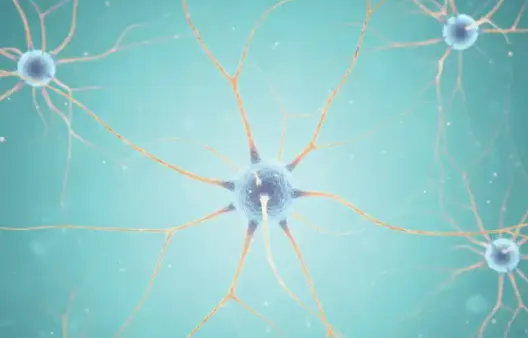
Months or even years after an initial COVID-19 infection, many people continue to struggle with persistent mental fog, difficulty concentrating, memory lapses, and a frustrating sense of cognitive slowness that conventional treatments often fail to resolve. As this lingering condition continues to affect daily life for countless patients, interest in regenerative approaches has grown substantially. Stem Cells for Long COVID Brain Fog have become an increasingly discussed option for addressing the underlying neurological changes rather than simply managing symptoms as they persist. Before considering this type of treatment, it's important to understand several key facts about how it works, what research shows, and what realistic expectations look like. At Longevity Medical Institute, helping patients fully understand these factors is considered an essential part of the care process.
1. Brain Fog Reflects Real Biological Changes
Long COVID brain fog isn't simply fatigue or stress it reflects measurable changes within the brain itself. Research suggests that COVID-19 infection can trigger chronic neuroinflammation, disrupt normal blood flow to brain tissue, damage the protective blood-brain barrier, and impair mitochondrial function within brain cells. Understanding that these symptoms stem from genuine biological disruption, rather than something purely psychological, is an important foundation for understanding why regenerative approaches have become a focus of ongoing research.
2. Traditional Treatments Often Don't Address the Root Cause
Conventional approaches to Long COVID brain fog typically focus on managing associated symptoms, such as anxiety or sleep disturbances, rather than addressing the underlying neuroinflammation and cellular disruption believed to drive cognitive impairment. While these strategies can offer some relief at the margins, they generally don't resolve the biological processes responsible for persistent mental fog, which is why many patients continue to search for more targeted treatment options.
3. Stem Cells May Work Through Multiple Mechanisms
Researchers studying Stem Cells for Long COVID Brain Fog are interested in several potential pathways through which these cells might support cognitive recovery, including reducing chronic neuroinflammation associated with post-viral syndromes, supporting repair of the blood-brain barrier, improving cerebral blood flow and oxygen delivery, promoting the release of growth factors that support neuron health, and modulating an overactive immune response that may be perpetuating brain fog symptoms. This multi-pathway approach is part of what distinguishes regenerative treatment from medications that only address surface-level symptoms.
4. Research Is Promising but Still in Earlier Stages
While early clinical observations and mechanistic studies related to Stem Cells for Long COVID Brain Fog have been encouraging, particularly regarding reduced inflammatory markers and improved patient-reported cognitive clarity, it's important to understand that Long COVID-specific stem cell research remains in earlier stages compared to other, more established neurological applications. Patients should approach this option with realistic expectations, understanding that outcomes can vary significantly based on symptom severity, duration, and individual biological response.
5. Symptom Duration May Influence Candidacy
Most patients considering this treatment have experienced persistent brain fog symptoms for several months without significant improvement through conventional approaches. Understanding your specific symptom timeline, along with ruling out other potential underlying causes, is an important part of determining whether regenerative treatment might be an appropriate option worth exploring for your individual situation.
6. The Treatment Process Is Typically Minimally Invasive
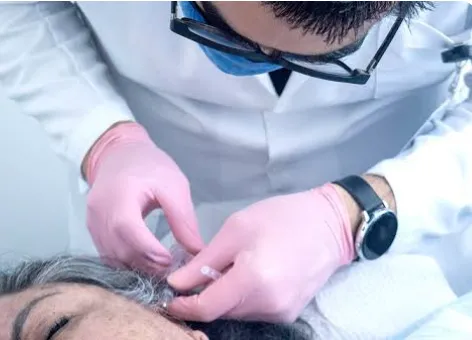
At Longevity Medical Institute, treatment generally begins with a comprehensive evaluation, including a review of COVID-19 history, current cognitive symptoms, and any relevant diagnostic testing. Stem cells often derived from the patient's own bone marrow or adipose tissue, or from ethically sourced umbilical cord tissue are processed under controlled laboratory conditions before being administered, typically through intravenous infusion or other targeted delivery methods. Most patients tolerate the procedure well, with minimal downtime required for recovery.
7. Cognitive Improvements Typically Develop Gradually
One of the most important things to understand before pursuing treatment is that cognitive recovery is rarely immediate. Because neurological healing is a gradual biological process, many patients report noticing subtle changes in mental clarity, focus, and energy over the course of several weeks following treatment, with continued improvement often observed over subsequent months as the body's healing processes progress. Consistency in follow-up care and patience with the overall timeline are essential parts of this process.
Final Thoughts
Understanding these seven key facts about Stem Cells for Long COVID Brain Fog can help patients approach treatment decisions with greater clarity and realistic expectations. By targeting the underlying inflammation and biological disruption behind persistent cognitive symptoms, this regenerative approach offers a hopeful avenue for those who haven't found relief through conventional care. Longevity Medical Institute remains dedicated to helping patients explore safe, personalized regenerative options in their journey toward clearer thinking and renewed cognitive function.
Frequently Asked Questions
1. How long after COVID-19 infection can this treatment be considered?
Most patients considering treatment have experienced symptoms for at least several months without significant improvement, though this varies by individual case.
2. Is stem cell therapy for brain fog considered safe?
When performed by experienced providers using proper sourcing and administration protocols, the procedure is generally considered safe and minimally invasive, though individual risk factors should always be discussed.
3. How soon will I notice cognitive improvements?
Some patients report subtle changes within weeks, while more noticeable improvements often develop gradually over the following months.




Sign in to leave a comment.