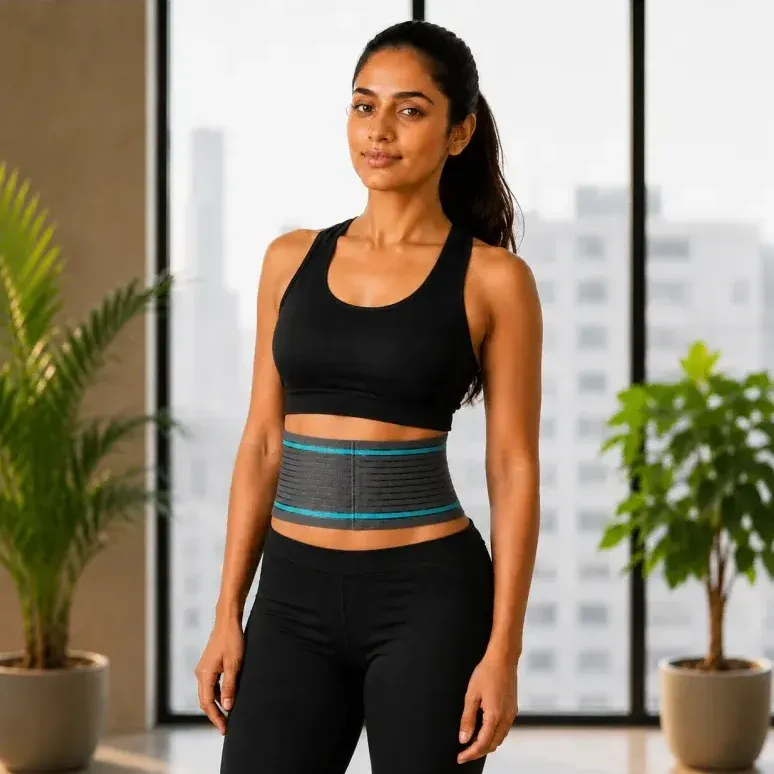

Lower back pain disrupts work, sleep, and even a simple walk to the market. Many people grab a support belt to ease the strain, but most buy one without checking what actually matters. Arthagone™ builds its support products around comfort and everyday wear, and this guide walks you through seven points to check before you spend your money.
Key Takeaways
- Measure your waist accurately before you choose a size.
- Look for breathable, skin-friendly fabric you can wear for hours.
- Match the support level to your pain and daily activity.
- Adjustable compression gives you control and comfort.
- A belt supports your back, but it does not replace medical care.
- Wear time, posture habits, and exercise all shape your results.
- Read return policies and user reviews before you commit.
1. Understand What a Lower Back Pain Belt Does
A lower back pain belt wraps around your waist and lower spine to provide compression and gentle stability. That compression limits excessive bending and twisting, reminds you to hold better posture, and warms the muscles around the area. Many people feel more confident when they lift, sit, or stand for long periods.
A belt does not cure the cause of your pain. It supports your back while your muscles recover, so keep that expectation realistic from the start.
2. Measure Your Waist Before You Choose a Size
Size decides whether a belt helps or irritates. A loose belt slips and gives no support, while a tight one digs into your skin and restricts breathing.
Grab a soft measuring tape and wrap it around your waist at the level where the belt will sit, usually just above your hips. Compare that number with the brand’s size chart rather than guessing from your trouser size. If you fall between two sizes, pick the one that offers more adjustability.
3. Check the Fabric and Breathability
You may wear your belt for several hours, often under clothes, so fabric matters. Cheap synthetic materials trap heat and sweat, which causes rashes and itching, especially in humid weather.
Look for breathable, soft, skin-friendly material with a smooth inner lining. Mesh panels and cotton-blend layers let air move freely. Run your fingers across the inside surface if you can. Rough stitching or stiff edges will bother you within the first hour.
4. Match the Support Level to Your Needs
Not every Lower Back Pain Belt offers the same strength. Some provide light compression for mild stiffness, while others add rigid stays or extra panels for firm stabilization.
Ask yourself how you plan to use it. Desk workers usually need gentle posture support, drivers need cushioning along the lumbar curve, and people who lift loads need firmer reinforcement. Choose the lowest support level that relieves your discomfort. Excessive rigidity can make your core muscles lazy over time.
5. Look for Adjustable Compression
Your body changes through the day. You may want a snug fit during a long commute and a looser one while you rest after lunch. Belts with adjustable straps or hook-and-loop closures let you control the pressure in seconds.
Test how easily the closure opens and fastens. A strap that demands two hands and a struggle will frustrate you every morning. Smooth, secure adjustment makes you far more likely to wear the belt consistently.
6. Know When to Wear It and When to Stop
Wearing a belt around the clock weakens the muscles you want to strengthen. Most people benefit from using it during demanding activities, such as long sitting sessions, travel, lifting, or standing work, and removing it during rest.
Follow your doctor’s or physiotherapist’s guidance on duration. Take it off if you notice numbness, skin redness, or discomfort that grows worse. Pair belt use with gentle stretches, core exercises, and regular movement breaks so your back builds its own strength.
7. Check Reviews, Returns, and Medical Advice
Product photos tell you little about daily comfort. Read verified customer reviews and look for comments on sizing accuracy, durability after washing, and comfort during long wear. Patterns in the feedback reveal more than a single glowing or angry review.
Confirm the return or exchange policy before you order, since sizing mistakes happen. Also speak with a healthcare professional if your pain lasts more than a few weeks, spreads to your legs, or follows an injury. The right Lower Back Pain Belt works best when it fits into a plan that treats the underlying cause.
Support Your Back the Smart Way
A good support belt should feel like a quiet helper, not a daily struggle. If you want a design that blends comfort, adjustable fit, and breathable construction, explore the range from Arthagone™ and see how the right Lower Back Pain Belt fits your routine.
FAQs
Can I wear a back support belt all day?
Most people should not. Prolonged use can reduce muscle activity in your core. Wear it during strenuous or long-duration tasks, and give your back time to work unsupported.
Can I sleep with a back support belt on?
Doctors rarely recommend it. Your spine rests in a supported position while you lie down, so the belt usually adds little benefit at night and may cause discomfort.
How tight should the belt feel?
Snug and secure, but never painful. You should breathe normally, and you should be able to slide a finger beneath the edge without effort.
Should I wear the belt over or under my clothes?
Wear it directly over a thin cotton layer or under your outer clothing for the best grip and stability. Direct skin contact over long hours may cause irritation.
How do I clean the belt?
Check the label first. Most fabric belts tolerate gentle hand washing with mild detergent, followed by air drying away from direct sunlight.
When should I see a doctor?
Seek medical advice if pain persists beyond two weeks, radiates down your legs, or comes with numbness, weakness, or fever.



















Sign in to leave a comment.