
Most people assume they will know right away if their personal information has been stolen.
In reality, compromised data rarely announces itself. A criminal can hold onto stolen details for weeks or months, testing them quietly before causing visible damage. By the time something obvious happens, such as a denied loan application or a collections notice, the exposure may have started long before.
The seven signs below are often small, scattered, and easy to explain away individually. Seen together, they tell a different story, and catching that story early is usually the difference between a quick fix and months of cleanup.
1. Unfamiliar Login Alerts or Password Reset Emails
Password reset emails you never requested, login alerts from unfamiliar devices or locations, and changes to account recovery emails or phone numbers you didn't make are all early indicators that something is wrong.
2.Two-Factor Authentication Codes You Didn't Request
A two-factor code arriving when you haven't tried to sign in usually means someone else already has your password and is one step away from getting into the account.
Any one of these first two signs could be a fluke. Several happening close together, especially across more than one account, is a pattern worth taking seriously rather than dismissing as a technical glitch.
3.Unexpected Order Confirmations, Shipping Notices, or Unfamiliar Medical Bills

Scammers and identity thieves frequently generate a trail of communication before a victim realizes anything is wrong. This can include order confirmations for purchases you never made, shipping notifications for items you didn't buy, emails from companies you don't recognize referencing your name and address, or medical bills and insurance statements for services you never received.
According to the Federal Trade Commission, these kinds of unexpected notices are among the most common early signs reported by identity theft victims.
4.Small, Unfamiliar "Test" Charges on Your Statements
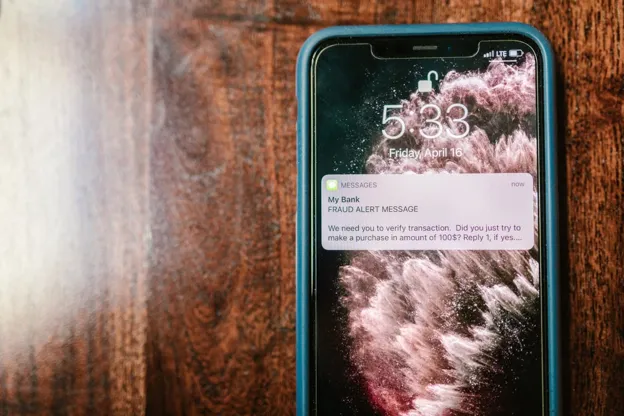
Financial red flags tend to appear gradually rather than all at once. Watch for small, unfamiliar charges, sometimes called "test" transactions, and the same charge appearing twice under different merchant names.
These signs matter because criminals often test stolen card or account details with tiny charges before attempting something larger. Reviewing statements line by line, rather than skimming totals, can catch this early, since a single overlooked dollar-and-change charge can be the only visible clue that an account has already been compromised.
This is also where online identity theft protection services can help, since ongoing monitoring is far more likely to catch a small anomaly than an occasional manual check.
5.Credit Inquiries or Denials You Didn't Authorize
A credit inquiry you didn't make, a sudden drop in your credit score with no clear explanation, or being denied credit or a new account despite a strong financial history can all point to someone else using your identity to apply for credit.
6.Mail That Suddenly Stops Arriving
A gap in mail delivery can indicate a redirected address, one of the quieter tactics used to intercept statements, cards, or documents before a victim notices anything missing.
7.A Tax Return Rejected Because One Was Already Filed in Your Name
A rejected tax return, because one was already filed using your Social Security number, is a red flag documented by the IRS Identity Theft Central and one of the clearest signs that a criminal has already used your information.
None of these signs alone confirms identity theft. Together, especially when several appear within a short window, they warrant a closer look and a faster response than "wait and see." Waiting for full confirmation before acting is often exactly what allows the damage to spread further.
Why Early Recognition Is Harder Than It Sounds
The authority behind learntospotscams.com comes directly from lived experience, not secondhand research. An IRS identity theft case that stretched into a three-and-a-half-year recovery process revealed just how long unfamiliar warning signs can go unnoticed, and how difficult it can be to reverse the damage once it spreads through interconnected accounts and government records.
That experience is part of why the platform emphasizes recognizing signs early rather than waiting for a certified letter to arrive. It also underscores why people may need to hire a digital security service for identity protection rather than relying solely on personal vigilance. Even careful people miss things, especially when the seven signs above are scattered across several accounts, institutions, or platforms that don't talk to each other.
Don't Wait for the Damage to Confirm What You Already Suspect
Learntospotscams.com was built around the idea that people deserve more than a warning after the damage is done. Through identity theft protection services online, the platform helps individuals monitor for exactly the kinds of warning signs covered here, while its social media protection services and spam call blocker service subscription address the other channels criminals commonly use to gather personal information.
Rounding this out, its fraud prevention services for individuals are built to catch small, easy-to-miss signals before they turn into a much larger and more expensive problem.
Contact the team today to start recognizing the warning signs before they become a recovery process.



























Sign in to leave a comment.