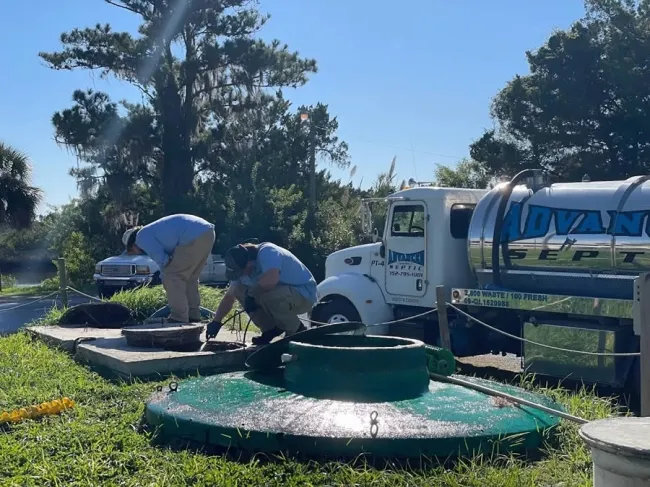

A septic tank does not always give a clear warning before a serious problem develops. Waste and sludge build up over time, reducing the space available for wastewater. Once the tank becomes too full, drains may slow down, odors can appear, and wastewater may begin backing up into the home or yard.
Knowing the early warning signs makes septic maintenance easier. Regular pumping can also help protect the tank, drainfield, and plumbing system from avoidable damage.
For homeowners looking for best septic pumping in Crystal River, understanding these signs can help determine when professional service may be needed.
1. Slow Drains Throughout the Home
A slow drain is easy to overlook when it affects only one sink. A problem becomes more concerning when several drains start moving slowly at the same time.
Slow toilets, showers, sinks, and tubs can indicate that wastewater is not leaving the home properly. When the septic tank is close to capacity, wastewater has less room to flow into the tank.
A single clogged drain may simply need cleaning. Multiple slow drains, especially without an obvious plumbing blockage, can point toward a septic issue.
2. Unpleasant Septic Odors
Strong sewage or rotten-egg smells around the property should not be ignored.
Odors may come from the septic tank, drainfield, plumbing fixtures, or another part of the wastewater system. A tank with excessive sludge or scum can contribute to unpleasant smells, particularly near access points.
Persistent septic odors inside or outside the home are a good reason to schedule an inspection. Waiting for the smell to disappear can allow a developing problem to become more serious.
3. Water or Sewage Backing Up
Sewage backing up into a shower, bathtub, sink, or toilet is one of the clearest signs of a septic problem.
A full septic tank can prevent wastewater from moving through the system normally. Continued use of toilets, sinks, washing machines, and other fixtures can make the backup worse.
This situation requires prompt attention. A sewage backup creates an unpleasant mess and can also create sanitation concerns.
4. Grass Growing Faster Over the Drainfield
Changes in grass growth can sometimes reveal what is happening below the ground.
If grass over the drainfield suddenly looks greener, thicker, or grows faster than the surrounding lawn, excess wastewater or nutrients may be reaching the soil. This does not automatically mean the septic tank needs pumping, but it can indicate that the system needs professional attention.
Wet or unusually soft areas around the drainfield are another warning sign. Standing water or sewage surfacing from the ground should never be treated as normal.
5. Gurgling Toilets and Drains
Gurgling sounds from toilets, sinks, or drains can indicate air or wastewater struggling to move through the plumbing system.
Occasional plumbing noises may have a simple cause. Repeated gurgling across multiple fixtures is more concerning, especially when combined with slow drainage or unpleasant odors.
A septic inspection can help determine whether the issue comes from the plumbing, tank, drainfield, or another part of the system.
6. The Tank Is Due for Routine Pumping
Waiting for an obvious problem is not the best approach to septic maintenance.
Septic tanks collect solids that do not leave the system with normal wastewater. Sludge gradually settles at the bottom while scum floats near the top. As these layers grow, less usable space remains inside the tank.
Routine pumping removes accumulated solids before they become a larger problem.
The right pumping schedule depends on factors such as household size, tank capacity, wastewater usage, and the amount of solids entering the system. A professional evaluation can help establish a suitable maintenance schedule.
For dependable septic pumping in Crystal River, Advanced Septic provides septic pumping and cleaning services designed to support proper system maintenance.
7. The Septic Tank Has Not Been Pumped in a Long Time
An outdated maintenance schedule is another warning sign.
Even when everything appears to be working normally, solids continue to accumulate inside the tank. A septic system can seem fine until the tank reaches a point where wastewater can no longer flow properly.
Keeping a record of previous pumping dates makes maintenance easier. If the last service date is unknown, an inspection can help determine the condition of the tank and whether pumping is needed.
What Happens When a Septic Tank Is Not Pumped?
A neglected septic tank can develop more than an unpleasant odor. Excess solids may move toward the drainfield, where they can interfere with normal wastewater treatment.
As the system becomes overloaded, common problems can include:
- Slow drains
- Toilet backups
- Sewage odors
- Wet areas around the drainfield
- Sewage surfacing in the yard
- Plumbing problems
- Drainfield damage
- More expensive repairs
Regular pumping helps remove accumulated solids before they have a chance to create these problems.
How to Help Keep a Septic System Working Properly
Pumping is only one part of good septic care. Daily habits also affect system performance.
Avoid flushing items that do not break down easily, including wipes, paper towels, feminine hygiene products, and other household waste. Keep excessive grease and cooking oil out of drains. Water usage should also be spread throughout the day when possible instead of creating large sudden flows.
Heavy vehicles and construction equipment should not be driven or parked over the tank or drainfield unless the system has been specifically designed for that load.
Trees and large plants should also be placed carefully because roots can interfere with septic components and underground pipes.
When Should Septic Pumping Be Scheduled?
The best time for pumping is before a backup occurs. Warning signs such as slow drains, odors, gurgling fixtures, or wet drainfield areas should not be ignored.
A professional inspection can determine whether pumping is needed and identify other problems that may affect system performance.
For homes in Crystal River, Advanced Septic offers septic pumping and cleaning services to help maintain residential septic systems and address signs of buildup or system trouble.
Final Thoughts
A septic tank rarely becomes full overnight. Problems usually develop as solids and scum build up over time. Recognizing early warning signs can help prevent a minor maintenance need from becoming a major septic repair.
Slow drains, bad odors, sewage backups, unusual grass growth, gurgling fixtures, overdue pumping, and an unknown maintenance history are all reasons to pay closer attention to septic system condition.
When signs of a full tank appear, timely septic pumping in Crystal River can help restore proper tank capacity and support reliable wastewater flow.


























Sign in to leave a comment.