

Winter presents a unique challenge for professionals who want to maintain a polished appearance while staying warm. The colder months require thoughtful layering, fabric selection, and color coordination that doesn't compromise style or comfort. Many workers struggle to find the balance between insulation and professional presentation, especially when transitioning between heated offices and cold outdoor environments. Understanding how to layer effectively and choose appropriate winter pieces can help you look sharp throughout the season while avoiding bulky silhouettes that undermine your professional image.
Embrace Strategic Layering for a Sleek Silhouette
Layering is the foundation of winter professional dressing, but the key lies in choosing pieces that won't create unnecessary bulk. Start with a thin base layer made from moisture-wicking materials, then add a fitted sweater or turtleneck in neutral tones like gray, navy, or black. Over this, wear your blazer or structured jacket to create clean lines that maintain your professional appearance. The goal is to build warmth without sacrificing the tailored look that defines workplace fashion. When layering, ensure each piece fits properly so you don't look oversized or shapeless once you've added multiple items. This approach allows you to remove outer layers indoors while still maintaining a cohesive, polished look throughout the day.
Select Appropriate Fabrics That Balance Warmth and Refinement
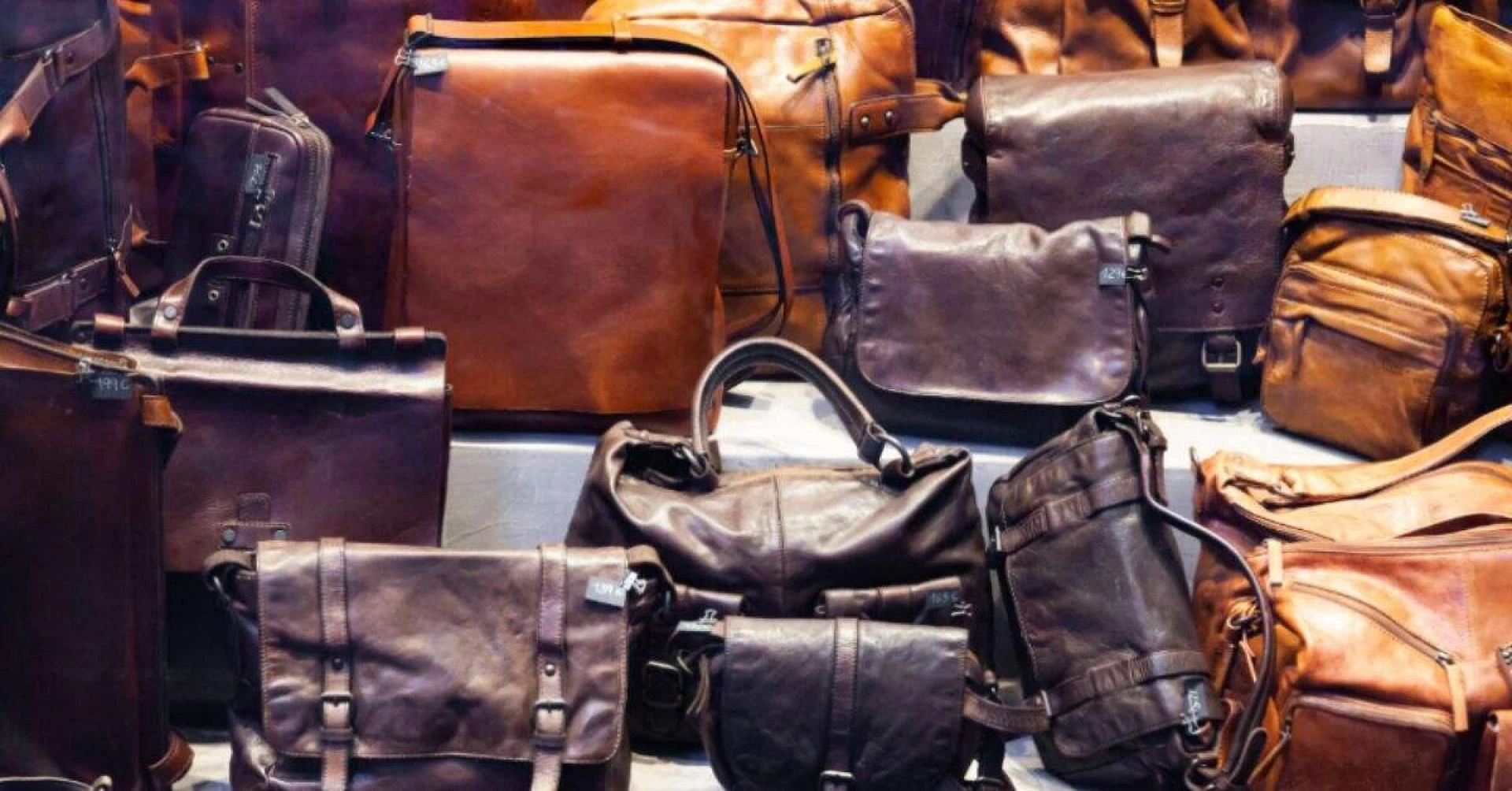
Winter fabrics deserve special attention since they directly impact both comfort and appearance. Merino wool, cashmere blends, and high-quality knit materials provide excellent insulation while maintaining a professional aesthetic that heavier, stiffer fabrics cannot achieve. Cotton blends and structured wool work well for blazers and trousers, creating crisp silhouettes that photograph well in office settings. Avoid overly textured or chunky knits that read more casual than professional, opting instead for smooth, dense fabrics that drape well and resist pilling. Suede, leather, and wool-leather combinations add sophistication to winter outfits when incorporated thoughtfully through accents like scarves or gloves. The right fabric choice ensures your winter wardrobe looks intentional and elevated rather than purely functional.
Incorporate Neutral and Jewel Tones for Visual Interest
Winter's limited natural light makes color selection particularly important for maintaining a professional appearance. Neutral base colors like black, gray, navy, and cream create a strong foundation that can be dressed up or down depending on your workplace environment. Adding jewel tones such as emerald, sapphire, or burgundy provides visual depth without appearing frivolous or attention-seeking. These richer colors photograph better under indoor lighting than muted winter tones and can make a professional impact during video calls or presentations. A deep teal blazer or burgundy dress worn with neutral accessories demonstrates color confidence while maintaining workplace appropriateness. Limiting your palette to three or four core colors ensures your winter pieces coordinate easily, making morning outfit selection faster and your overall appearance more cohesive.
Invest in Quality Outerwear That Complements Your Wardrobe
A well-fitted winter coat serves as the frame for your professional outfit and shouldn't be an afterthought in your wardrobe planning. Choose a coat in a neutral color that coordinates with most of your work clothes, ensuring it hits at or just below the knee for a lengthening, professional effect. Wool coats, tailored puffer jackets with structured silhouettes, and wool blend topcoats all work well for professional settings. The coat should allow room for layering without appearing tent-like, and it should have a finished hem and quality hardware that convey attention to detail. Avoid oversized parkas or heavily quilted styles with excessive branding that compete with your professional image. Outerwear that genuinely complements your work wardrobe will leave you feeling more polished during your commute and when entering client meetings.
Use Accessories Strategically to Add Polish and Warmth
Winter accessories provide functional warmth while offering opportunities to elevate your professional appearance through thoughtful styling choices. Silk scarves in solid colors or subtle patterns add luxury to simple outfits and can be styled multiple ways without appearing costume-like. High-quality leather gloves in classic colors extend the refinement of your outfit through small details that others notice, while wool gloves in bold colors can feel too casual for corporate environments. A structured wool hat in a neutral tone maintains your professional image better than oversized beanies or novelty styles. Simple jewelry pieces, including quality watch bands and metal accessories, complement winter outfits better than delicate or overly decorative items that risk catching on sweaters. These strategic additions transform basic winter pieces into thoughtfully coordinated outfits that demonstrate your attention to professional presentation.
Choose Warming Bottom-Half Basics That Still Look Refined
The lower half of your outfit deserves as much attention as your top layers, particularly during commutes in freezing temperatures. Professionals who need to move between outdoor cold and climate-controlled offices frequently rely on fleeced lined leggings worn beneath tailored trousers or skirts to maintain core warmth without adding visible bulk to their silhouette. This approach keeps your outward appearance sleek and office-appropriate while ensuring genuine comfort during cold-weather commuting. Pairing these thermal underlayers with well-fitted trousers in structured wool or ponte fabric means no one will detect the extra insulation beneath your polished exterior. The result is a bottom half that looks refined and intentional while performing a genuinely practical function throughout the winter season.
Maintain Proper Fit and Tailoring for Winter Pieces
The most expensive fabrics and well-chosen colors fail to create a professional appearance if garments don't fit properly through the shoulders, waist, and length. Winter pieces often have more substantial fabrics that require careful tailoring to achieve the clean lines necessary for professional settings. Sweaters should fit close enough to your body that a blazer layer drapes properly without creating strange bumps or pulling across buttons. Trousers need adequate length with a slight break at the shoe, which might differ from your summer trouser fit depending on the heel height of your winter shoes. Taking time to have key pieces hemmed, darted, or adjusted by a competent tailor ensures your winter wardrobe maintains the polished, intentional appearance that distinguishes professional dressing from casual comfort clothing. This investment in proper fit pays dividends throughout the entire cold season.
Conclusion
Dressing professionally during winter requires intentional planning and strategic choices about layering, fabric, color, and accessories. By applying these seven approaches to winter workplace fashion, you can maintain a polished, competent appearance regardless of external temperatures. The key to successful winter professional dressing lies not in buying expensive pieces, but in understanding how to combine quality basics with thoughtful styling decisions. When you prioritize proper fit, choose fabrics that balance warmth with refinement, and select colors that photograph well under indoor lighting, your winter wardrobe becomes an asset rather than a challenge. Your appearance continues to communicate professionalism and attention to detail throughout the cold months, ensuring that seasonal weather never compromises your workplace image.




















Sign in to leave a comment.