
The way people research and choose financial products has changed significantly. Whether they are looking for a bank account, insurance policy, personal loan, investment service, or fintech solution, customers increasingly use digital channels to compare options, read reviews, find answers, and understand their choices before acting.
This shift makes financial services marketing an important part of building visibility and customer relationships. Financial businesses need more than promotional campaigns to stand out. They need useful content, convenient digital experiences, personalized communication, and consistent messaging across multiple channels.
For banks, fintech companies, insurance providers, lending businesses, investment firms, and financial advisors, an effective digital strategy can help attract relevant audiences, nurture prospects, and support long-term relationships. Developing a clear Fintech Marketing Strategy can help businesses coordinate these activities around customer needs and measurable objectives.
What Is Financial Services Marketing?
Financial services marketing refers to the strategies and activities businesses use to promote financial products and services while communicating their value to potential and existing customers.
It can cover services such as:
- Banking and credit products
- Loans and mortgages
- Insurance
- Investment services
- Wealth management
- Payment solutions
- Financial planning
- Fintech applications
Modern financial services digital marketing combines SEO, content marketing, paid advertising, email, social media, websites, CRM platforms, automation, and other digital channels. However, financial marketing is also about education and trust. Customers need clear information to understand products and make informed decisions.
8 Financial Services Marketing Strategies
1. Build a High-Performing Financial Services Website
A financial website should be more than an online brochure. It should provide visitors with clear information and make it easy to find relevant products, resources, and support. Important elements include:
- Mobile-friendly design
- Fast-loading pages
- Simple navigation
- Clear product explanations
- Visible calls to action
- Easy-to-use forms
- FAQs
- Trust and security information
- Accessible customer support
- Appropriate disclosures
For example, a lending company can create separate pages for different loan products and explain eligibility, application steps, documentation, and frequently asked questions. A clear website experience can reduce confusion and help visitors take the next appropriate step.
2. Use SEO and Financial Content Marketing
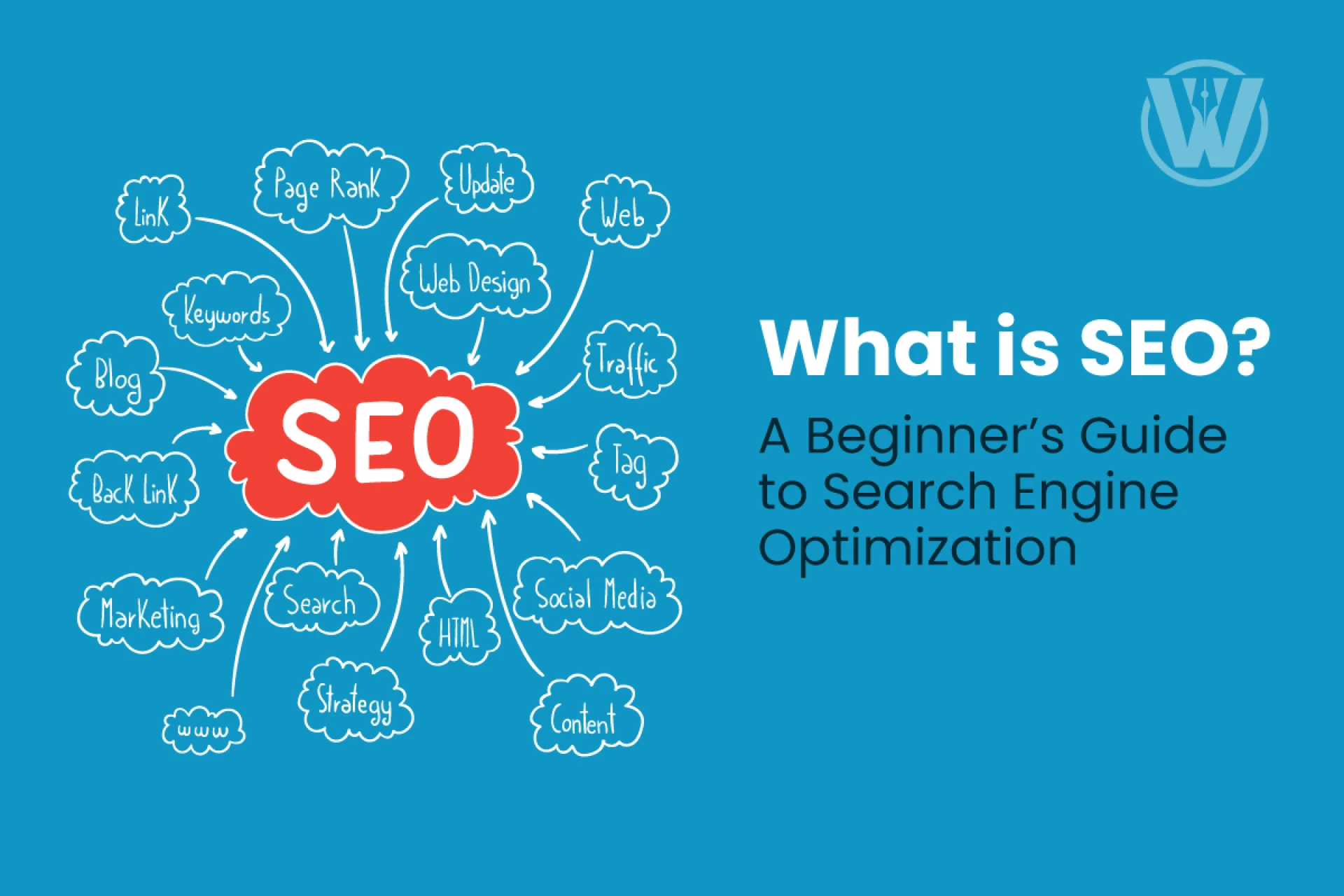
SEO helps financial businesses become more visible when potential customers search for information online. A strong financial services SEO strategy should focus on both keywords and user intent. Useful practices include:
- Keyword research
- Search-intent analysis
- Long-tail keywords
- On-page SEO
- Technical SEO
- Internal linking
- Topic clusters
- Helpful content
- Content updates
- Local SEO where relevant
Financial content can address questions such as:
- What is a personal loan?
- How does life insurance work?
- What is a credit score?
- How does wealth management work?
- What should you know before applying for a mortgage?
Content should be accurate, understandable, well-sourced, and reviewed appropriately. SEO should support the reader rather than result in keyword-stuffed content. Working with a Fintech SEO Agency can also help financial brands develop structured search strategies around relevant topics and customer intent.
3. Create Dedicated Landing Pages
Campaign-specific landing pages can provide a focused experience for users arriving from search, advertising, email, or social media. A useful financial landing page can include:
- A clear headline
- Relevant service information
- A concise value proposition
- Simple forms
- FAQs
- Trust indicators
- Appropriate disclosures
- A clear call to action
For instance, an insurance company running a campaign for a particular policy can direct users to a dedicated page explaining that product rather than sending them to a general homepage. The landing page should match the message and intent of the campaign that brought the visitor there.
4. Use Paid Search and Performance Marketing
Paid advertising can complement organic marketing and help financial brands reach audiences based on relevant searches, interests, locations, or other permitted targeting criteria. Potential channels include:
- Search advertising
- Paid social
- Display advertising
- Retargeting
- Sponsored content
For fintech businesses, Best Fintech SEO Agency in US expertise can complement paid acquisition by helping align search visibility, landing-page content, and campaign objectives across the customer journey.
Campaigns should be aligned with relevant landing pages and carefully measured. Financial advertisers should also ensure that their advertisements and claims meet applicable industry and advertising requirements. Rather than focusing exclusively on clicks, marketers should examine qualified leads, conversion quality, customer acquisition costs, and other meaningful outcomes.
5. Personalize Email, SMS, and Mobile Marketing
Email and mobile communication can help financial businesses maintain relationships with prospects and customers over longer decision-making periods. Examples include:
- Educational newsletters
- Lead-nurturing emails
- Product updates
- Appointment reminders
- Application notifications
- Personalized educational resources
- Mobile app messages
A well-planned Fintech Marketing Agency approach can help coordinate these communications with content, search, paid campaigns, and customer lifecycle activities.
Segmentation can make communication more relevant by considering customer lifecycle stages, interests, or previous interactions. However, personalization should be permission-based and respectful. Businesses should follow applicable consent, privacy, and communication requirements rather than overwhelming customers with frequent promotional messages.
6. Use WhatsApp and Conversational Marketing
Messaging platforms such as WhatsApp can provide another channel for customer communication when implemented appropriately. Financial businesses may use conversational channels for:
- General inquiries
- FAQs
- Appointment requests
- Application updates
- Onboarding communication
- Customer support
Businesses should establish clear privacy and security practices and obtain appropriate consent where required. Complex or sensitive issues should also have a clear path to human assistance. Conversational marketing works best when it makes communication easier without replacing necessary human support.
7. Use Chatbots and AI Responsibly
AI-powered chatbots can help financial companies manage routine interactions and provide basic information. Possible applications include answering common questions, collecting preliminary information, routing inquiries, scheduling appointments, and supporting onboarding.
AI can also assist marketers with content planning, customer segmentation, campaign analysis, and reporting. Human oversight remains important, particularly when AI-generated information involves financial topics. Businesses should review outputs for accuracy, privacy, security, and compliance and provide users with an appropriate way to reach a human representative.
8. Leverage Social Media and Educational Content
Social media provides financial brands with an opportunity to explain complex topics in formats that are easier to consume. Content ideas include:
- Short educational videos
- Financial explainers
- Infographics
- FAQs
- Myth-versus-fact posts
- Industry updates
- Expert interviews
- Webinar clips
A structured Best Financial SEO Agency in US strategy can also help connect educational social content with search-focused resources, allowing brands to create a more connected digital content ecosystem.
For example, a financial advisor could create a short video explaining a basic financial planning concept rather than using every social post to promote a service. Educational and transparent communication can help brands create meaningful engagement without relying on exaggerated financial claims.
Conclusion
Successful financial services marketing is not simply about promoting products. It is about creating useful, trustworthy, and consistent experiences throughout the customer journey. Financial companies can combine SEO, content marketing, landing pages, paid media, email, conversational channels, social media, AI, CRM, and automation to attract relevant audiences and maintain meaningful relationships.
The strongest strategies balance visibility, education, personalization, customer experience, responsible technology, privacy, and measurable performance. By focusing on what customers need to understand and accomplish, financial brands can create a more sustainable foundation for digital growth and long-term engagement.

























Sign in to leave a comment.