

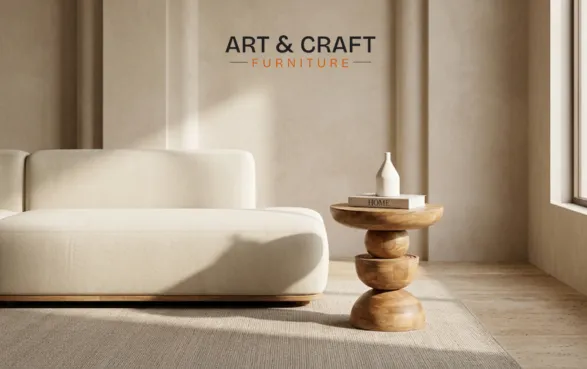
Walk into any beautifully designed home and you'll notice something before you can even name it: the wood just looks right. It's not always the biggest piece in the room or the most expensive one either. Often it's the small, deliberate details that separate furniture you barely notice from furniture that anchors an entire space.
If you're shopping for wooden furniture in Dubai or simply trying to get more out of the pieces you already own, understanding these details can change how you shop, style, and style around wood entirely. Let's get into what actually makes wooden furniture look intentional rather than just present.
1. The Grain Pattern Tells the Real Story
Before finish, before hardware, before anything else, the grain is what gives wood its personality. No two pieces are identical, which is exactly the point. A dining table with visible, flowing grain feels alive in a way that manufactured surfaces simply can't replicate.
When shopping for solid wood pieces, look at how the grain moves across the surface. Straight grains tend to feel calm and formal, while wavy or figured grains bring energy and warmth. This is one of the easiest ways to spot genuine craftsmanship versus mass-produced imitation.
2. Joinery You Can Actually See
Good furniture doesn't hide how it's built. Dovetail joints on a drawer, mortise and tenon connections on a chair frame, or exposed pegs on a cabinet aren't just structural choices. They're design statements that signal durability and old-world skill.
Furniture makers who take pride in their craft often leave these joints visible on purpose. If you're evaluating a piece, check the corners and edges. Clean, tight joinery is usually a reliable indicator of quality that will outlast trend cycles.
3. Hand-Finished Edges and Corners
Sharp, machine-cut edges look fine, but hand-finished or slightly rounded edges feel warmer and more considered. This detail matters more than people expect, especially on tables, benches, and shelving where hands and eyes naturally land.
A softened edge also tends to age better, resisting chips and wear in a way that stays visually pleasing rather than looking damaged.
4. The Right Hardware Changes Everything
Handles, knobs, and hinges are easy to overlook, yet they can make or break the overall look of a piece. Brass hardware against dark walnut creates a rich, classic contrast. Matte black pulls against light oak feel modern and clean.
This is one of the simplest ways to refresh older wooden furniture without replacing it. Swapping outdated hardware for pieces that match your current décor is a low-cost, high-impact update.
5. Finish and Sheen Level
Not all wood finishes serve the same purpose. A matte finish highlights natural texture and suits relaxed, organic interiors. A high-gloss finish reflects light and works well in more formal or contemporary spaces.
Satin finishes sit comfortably in between, offering durability without looking overly polished. Choosing the right sheen depends on your lighting, room size, and the mood you're trying to create.
6. Proportions That Fit the Room
Even the most beautifully crafted wooden furniture can look wrong if it's the wrong size for the space. Oversized furniture in a small room feels cramped, while undersized pieces in a large room feel lost.
Before buying, measure your space and consider how much breathing room you want around each piece. Furniture that's proportioned well to its surroundings automatically looks more expensive and intentional.
7. Contrast Between Wood Tones
Mixing wood tones is no longer something to avoid. In fact, thoughtful contrast between warm and cool wood tones adds depth to a room. A walnut coffee table against lighter oak flooring, for example, creates visual interest rather than clashing.
The key is consistency in undertone. Stick to either warm or cool wood families throughout a space, then allow slight variations in shade to create layers.
8. Legs and Base Design
The base of a piece often gets less attention than the top, but it shapes how the entire item feels in a room. Tapered legs suggest a mid-century or Scandinavian influence. Thick, block-style legs feel grounded and traditional. Turned legs bring a classic, decorative touch.
This detail also affects how light and open a room feels, since visible space beneath furniture can make even a small room feel less crowded.
9. Texture Through Carving and Detailing
Subtle carving, fluting, or textured panels add dimension without overwhelming a design. This works especially well on cabinet doors, headboards, and console fronts, where a plain surface can feel a little flat.
The goal isn't to add ornamentation for its own sake. It's about giving the eye something to rest on, which is exactly the kind of thoughtful detailing brands like Art & Craft Furniture bring into their wooden furniture collections, blending craftsmanship with contemporary living.
How to Style Wooden Furniture at Home
Once you understand these details, styling becomes far more intuitive. Pair natural wood décor with soft textiles to balance the material's structure. Add greenery near wooden pieces to enhance their organic feel. Keep surrounding colors neutral if the wood itself has a strong grain pattern, letting it remain the visual focus.
Good furniture details work quietly. You don't consciously notice a well-finished edge or a nicely proportioned leg, but you feel the difference the moment it's missing.
Frequently Asked Questions
What makes wooden furniture look expensive?
Visible grain, clean joinery, and proportionate sizing are the biggest factors. Hardware and finish quality also play a major role in perceived value.
Is solid wood furniture worth the investment?
Yes, in most cases. Solid wood furniture typically lasts longer, can be refinished multiple times, and often holds its resale value better than engineered alternatives.
Can I mix different wood tones in one room?
Absolutely. As long as the undertones are consistent, mixing wood tones adds richness and depth rather than visual clutter.
How do I know if wooden furniture is high quality?
Check the joinery first. Dovetail or mortise and tenon joints indicate solid craftsmanship. Also examine the finish for evenness and the wood grain for natural variation.
Where can I find quality wooden furniture in Dubai?
Several local and regional brands specialize in handcrafted wooden furniture, with Art & Craft Furniture being a notable option known for detailed, well-constructed pieces suited to modern homes.
Final Thoughts
Great wooden furniture isn't defined by size or price alone. It's the accumulation of small, deliberate choices, from the grain pattern to the hardware, that gives a piece its character and staying power. Once you start noticing these details, you'll find it much easier to choose furniture that doesn't just fill a room, but actually elevates it.






















Sign in to leave a comment.