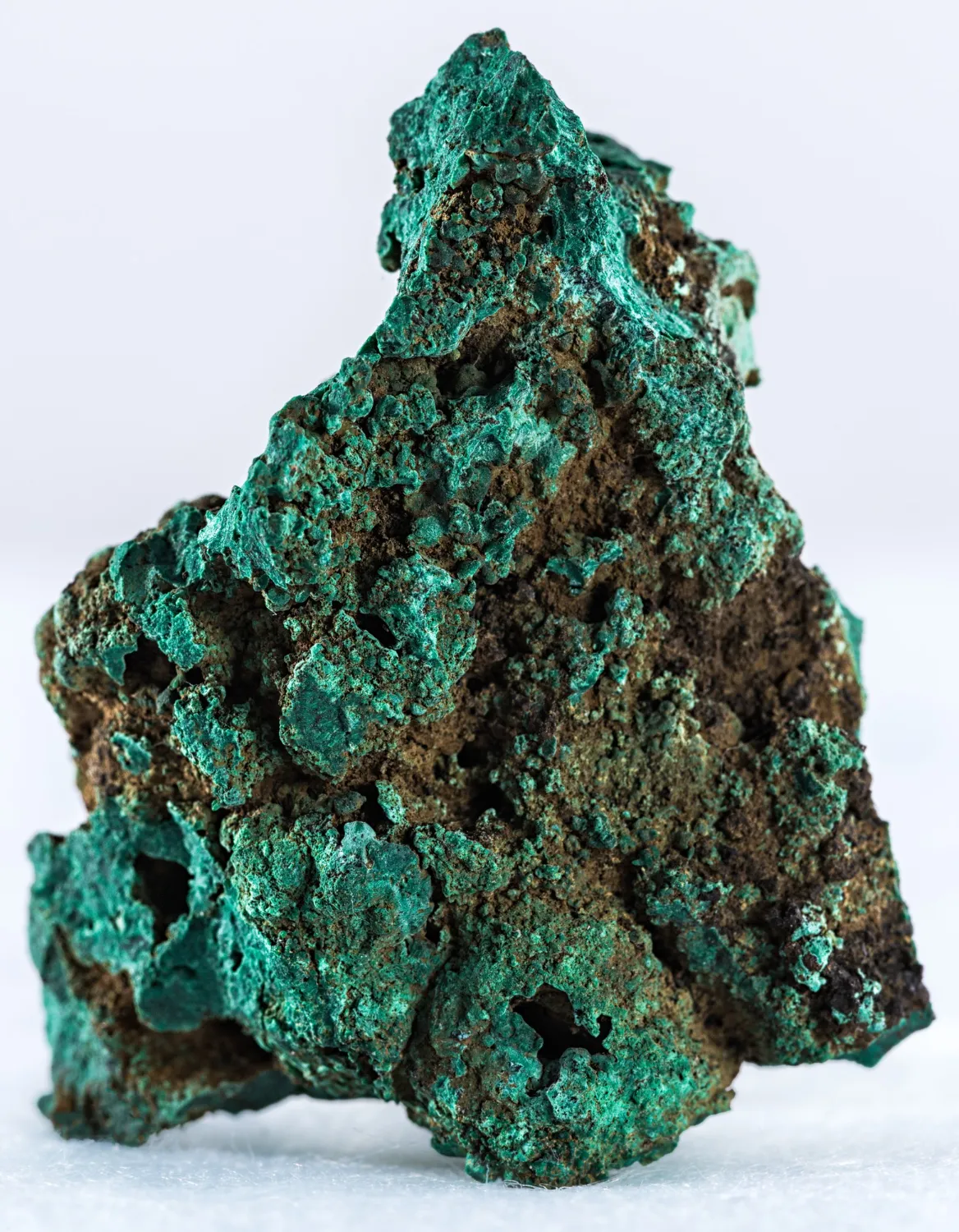

If you are beginning to explore crystals, you have probably noticed that the same mineral can appear in many different shapes and formations. Some crystals have naturally pointed ends, others are shaped into tall towers, and some grow together in beautiful clusters. Understanding these different forms can make choosing crystals easier and help you decide which pieces are best suited to your collection or spiritual practice.
At Earth Family Crystals, we love helping crystal enthusiasts discover the natural variety found throughout the mineral world. From raw specimens to carefully shaped pieces, every formation has its own character. Learning the differences between points, towers, and clusters is a great place to start.
What Are Crystal Points?
Crystal points are specimens with a naturally occurring or intentionally shaped termination that creates a pointed end. Natural points form as minerals grow under specific geological conditions, producing distinctive faces, edges, and terminations.
Clear Quartz is a familiar example of a crystal that can naturally form points. However, many other minerals can also appear as pointed specimens.
In spiritual practices, crystal points are often used as focal objects for meditation and intention setting. Their pointed shape makes them visually interesting and easy to incorporate into altars, crystal arrangements, and personal rituals.
When selecting a point, look closely at its natural features. You may notice inclusions, variations in color, small imperfections, or unique formations. These details are part of what makes individual specimens special.
What Are Crystal Towers?
Crystal towers are generally taller, more structured pieces with a vertical shape. Unlike a naturally formed point, a tower may be shaped and polished from a larger piece of mineral.
Their upright form makes towers particularly popular as display pieces. They can stand independently on shelves, desks, meditation spaces, and altars.
Crystal towers can also provide a strong visual centerpiece for an arrangement. You might place smaller polished stones around a tower or combine several towers with different colors and mineral characteristics.
When choosing a tower, consider the size of your space as well as the appearance of the mineral. A smaller tower can work beautifully on a bedside table, while a larger specimen may become the focal point of an entire display.
What Are Crystal Clusters?
Crystal clusters are groups of individual crystals that have grown together naturally. Instead of having one dominant point or a smooth, uniform surface, a cluster can contain numerous interconnected crystal formations.
This natural growth pattern can create an impressive three-dimensional appearance. Depending on the mineral, clusters may feature many points, layers, textures, and variations in color.
Clusters are especially appealing to mineral collectors because they showcase how crystals can develop in their natural environment.
A cluster can also make an excellent decorative piece. Place one on a shelf, altar, or display cabinet where its formations can be viewed from different angles.
Choosing the Right Crystal Form
There is no universally best crystal shape. The right choice depends on your preferences and how you plan to use the piece.
If you enjoy natural mineral formations, a raw crystal point or cluster may appeal to you. If you prefer a clean, structured appearance, a polished tower might be a better fit.
Think about whether you want to hold the crystal during meditation, display it as part of your collection, or use it as a centerpiece for an altar.
You can also collect multiple forms of the same mineral. Comparing a raw specimen with a polished tower can give you a greater appreciation for both the mineral's natural characteristics and its finished appearance.
Crystal Points for Meditation and Intention Setting
Crystal points can become useful visual anchors during meditation. Place the point in front of you and spend a few minutes observing its shape, color, and natural details.
You can also hold a smaller point while practicing mindfulness or intention setting. Choose an intention before beginning and use the crystal as a physical reminder of that focus.
The crystal itself does not need to have a particular effect for the practice to be meaningful. Its role can simply be symbolic, helping you create a consistent ritual around reflection and mindfulness.
Towers for Altars and Sacred Spaces
Because towers can stand upright, they are particularly easy to incorporate into an altar or spiritual display.
Place a tower in the center and arrange smaller stones around it. You can choose supporting crystals based on their traditional associations, colors, or personal significance.
A tower can also be paired with candles, journals, artwork, or other objects that have meaning within your practice.
At Earth Family Crystals, we encourage you to create arrangements that reflect your own preferences rather than following rigid rules.
Clusters for Collectors
If you appreciate geology and natural mineral formations, crystal clusters can be especially rewarding to collect.
Look closely at how individual crystals have developed together. Some specimens feature delicate points, while others have broader formations and complex textures.
When purchasing a cluster, consider its stability and how you plan to display it. Fragile points may require a secure location where the specimen will not be bumped or knocked over.
Clusters can also help you appreciate why each natural specimen is different. Even pieces of the same mineral can have dramatically different appearances.
Exploring Unusual Crystals
Once you become familiar with points, towers, and clusters, you may want to explore unusual and distinctive minerals. For example, a moldavite crystal for sale can attract collectors because of its distinctive green appearance and natural origin.
Moldavite is a tektite rather than a conventional mineral crystal, and its unusual textures and shapes make individual specimens particularly interesting to collectors. When exploring specialty specimens, learn about their physical characteristics and origin so you can make an informed addition to your collection.
It is also useful to keep your crystal interests separate from unrelated wellness products. For example, searches for a hydrogen rich water machine belong to a completely different category and should not be confused with crystal collecting or spiritual practices.
Build a Collection That Reflects You
Crystal points, towers, and clusters each offer something different. Points can highlight natural terminations, towers provide structured display pieces, and clusters showcase fascinating patterns of natural crystal growth.
At Earth Family Crystals, we believe collecting should be an opportunity to appreciate both the beauty and individuality of natural specimens. Start with the forms that immediately catch your attention and gradually explore different minerals and formations.
Whether you are looking for a striking tower for your meditation space, a natural cluster for your mineral collection, or a unique moldavite crystal for sale, take time to appreciate the characteristics of each piece.
The best collection is not necessarily the biggest one. It is the collection that reflects your curiosity, interests, and appreciation for the remarkable variety found in the natural world.

























Sign in to leave a comment.