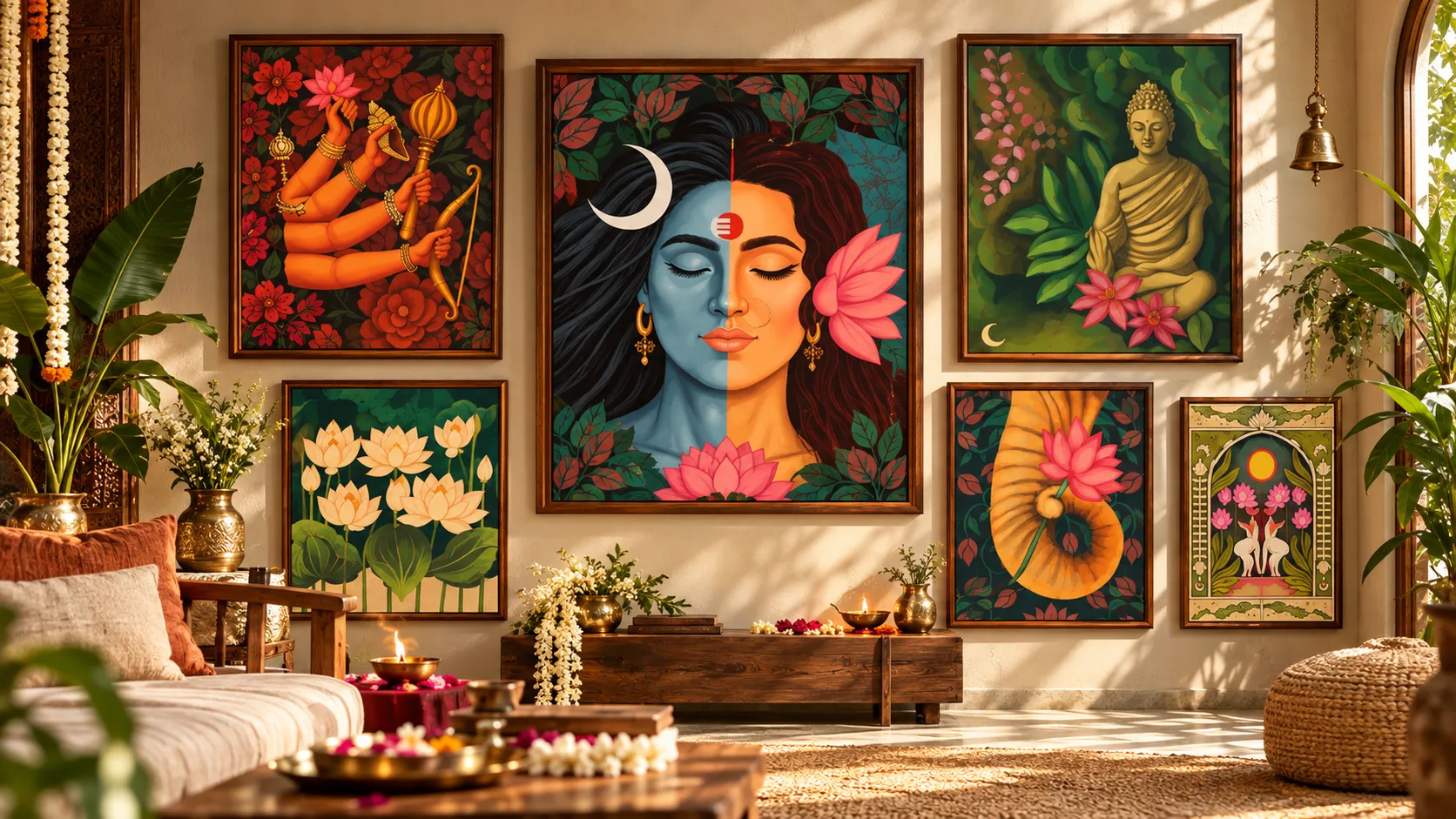

Decorating with spiritual art can add personality and meaning to a home. However, if you are new to this style, knowing where to begin can sometimes feel overwhelming.
From choosing the right artwork to finding the ideal wall, a few simple principles can make the process easier.
Start With the Meaning
Before thinking about frames or colors, consider the meaning behind the artwork. Ask yourself what qualities you want the piece to represent.
Wisdom, peace, strength, prosperity, balance, and spiritual growth are just some of the themes commonly represented in spiritual art.
Match the Artwork to the Room
Different rooms can call for different types of artwork.
A peaceful piece may work well in a bedroom, while a more prominent artwork can become a focal point in a living room. A symbolic piece related to wisdom or focus may also work well in a study or home office.
Consider the Existing Color Palette
Look at the dominant colors already present in the room. The artwork does not need to match everything exactly, but its colors should feel compatible with the surrounding décor.
A contrasting artwork can also work when used intentionally as a statement piece.
Pay Attention to Scale
A common decorating mistake is choosing artwork that is too small for the available wall.
Large walls may benefit from a substantial piece or a carefully arranged collection, while smaller walls can work better with a single compact artwork.
Create a Focal Point
If a room already contains several decorative elements, choose one main piece rather than making every wall compete for attention.
A spiritual painting can become the visual anchor above a sofa, console table, bed, or entryway.
Explore Before You Buy
The internet makes it easier to compare different artistic styles, themes, and compositions. If you're searching for meaningful artwork for your home, you can explore spiritual art online and consider which pieces fit your preferences.
Let the Artwork Tell a Story
The best decorative choices often have a story behind them. Perhaps the artwork represents a personal belief, reminds you of your heritage, or simply reflects an idea you want to keep close.
That personal connection can make the piece more valuable to you over time.
Conclusion
Decorating with spiritual art does not require a complete interior makeover. Start with one meaningful piece, consider its symbolism and placement, and build the rest of the room around it. With thoughtful selection, spiritual artwork can combine decorative appeal with a deeper sense of meaning.
































Sign in to leave a comment.