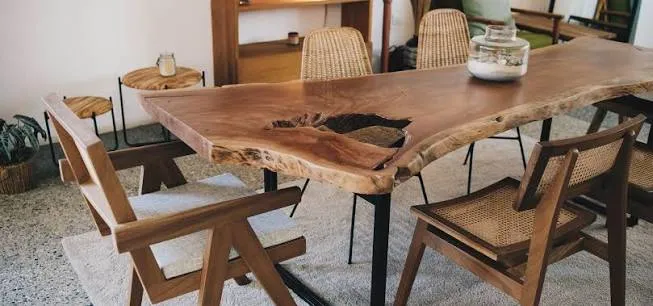

If you plan to furnish a home or office in Ghana, you will likely come across handmade wood pieces built by local artisans. Handcrafted Furniture Ghana pieces carry a level of detail that mass-produced items rarely match, and many buyers now search for a dining table in Accra, Ghana, that they can trust for both quality and price. This guide walks you through what makes these pieces special, the materials artisans use, and the questions you should ask before you spend your money. Whether you want a full dining set, a bedroom suite, or a single accent chair, the right knowledge helps you avoid costly mistakes and choose furniture that lasts for years and holds its value over time. A small amount of research before you order can also save you both money and frustration once the piece arrives at your door.
Why Handcrafted Furniture Ghana Stands Out
Artisans across Ghana pass their skills down through generations, and this tradition shows in the final product. Each piece often carries small design marks that reflect the maker's own style, so no two items look exactly alike. Local craft workshops in cities like Accra and Kumasi still shape wood by hand, which gives buyers pieces with real character instead of a copy from a factory line. Many of these workshops also mix old carving methods with newer tools, so a piece can feel traditional while still fitting a modern home.
Handcrafted Furniture Ghana also supports local trade and keeps traditional skills alive. When you buy from a small workshop or an independent maker, your money stays within the community and helps fund tools, training, and fair wages for skilled workers. This makes your purchase both practical and meaningful, and it gives young apprentices a reason to learn a trade that might otherwise fade over time.
Materials and Craft Styles You Will See
Ghanaian furniture makers use a range of local hardwoods known for strength and rich color. The wood type often decides the final price, weight, and grain pattern of a piece, so it helps to know the basics before you shop around.
- Mahogany: dense, dark red-brown wood, common for dining sets and cabinets
- Wawa: light color, budget-friendly, used for shelves and simple frames
- Odum: strong and weather resistant, a good pick for outdoor pieces
- Sapele: fine grain, close to mahogany in look and price
- Teak: naturally oily wood that resists moisture, often used for patio furniture
Some workshops also blend wood with woven rattan or leather seats. This mix adds extra texture and can lower the total weight of larger pieces such as chairs and benches, which makes them easier to move around a small home.
Common Furniture Types You Can Order
Local workshops build almost any furniture type you need for a home, office, or hotel. Buyers most often order the items below, though most makers can adjust size, shape, or finish to match a specific room.
- Dining sets, including the dining table Accra, Ghana: families pick for daily meals
- Bed frames and matching headboards
- Bookshelves and storage cabinets
- Outdoor benches and garden chairs
- Office desks and executive tables
Many shops also take custom orders, so you can request a specific size, wood type, or finish that fits your space and your budget.
How to Choose a Dining Table in Accra, Ghana
A dining table in Accra, Ghana, the buyer should pick one that matches both the room size and the number of people who use it each day. Measure your space first, then leave enough room around the table for chairs to move freely, since a table that feels tight in the showroom will feel even tighter once chairs and guests fill the space.
Ask the workshop about the wood type, joint method, and finish coat before you commit. A strong dining table in Accra, Ghana, sellers stand behind will use solid joints rather than nails alone, and the surface should feel smooth with no rough patches or gaps. A good maker will also tell you how to care for the surface so it keeps its shine for years.
How Do You Spot Quality Craftsmanship Before You Buy?
Check the joints first. Good furniture uses mortise and tenon joints or wood dowels, not just glue and nails. Run your hand along the edges and look for smooth, even surfaces and a consistent finish coat across the whole piece, not just the parts you can see at first glance.
Ask how long the piece took to build and where the wood came from. A workshop that answers clearly and shows past work usually stands behind its craft. Avoid pieces that feel light for their size, since this can signal thin or low-grade wood underneath the finish, and always ask about a warranty or repair policy before you pay in full.
Price Ranges and What They Mean
Prices vary based on wood type, size, and finish work. The table below gives a rough guide for common pieces you may want to order for your home or office.
| Furniture Type | Typical Price Range (GHS) |
| Dining table, six seats | 3,500 to 8,000 |
| Bed frame, queen size | 2,000 to 5,000 |
| Bookshelf | 800 to 2,500 |
| Office desk | 1,500 to 4,000 |
Custom sizes, rare wood types, or fine carved details will raise the final cost. Always ask for a written quote before the workshop starts your order so both sides agree on price and timeline ahead of time, and there are no surprises at pickup. It also helps to ask whether the price includes delivery, since transport costs for large pieces can add a noticeable amount to your final bill.
How to Care for Your New Furniture
Wood furniture lasts longer when you keep it away from direct sun and constant moisture, since both can cause cracks or a faded finish over the years. Wipe pieces with a dry or slightly damp cloth, and use a wood polish every few months to keep the grain looking rich. Avoid harsh cleaning chemicals, since they can strip the natural oils that keep the wood strong.
If you order outdoor pieces, ask the workshop which finish coat works best for sun and rain in your area. A proper sealant reapplied once or twice a year will keep outdoor benches and tables in good shape for many seasons, and it protects the wood from insects that can weaken untreated timber over time.
Conclusion
Handcrafted Furniture Ghana pieces built by hand need a bit more research than items picked off a store shelf, but the result is furniture with real character and a longer lifespan. Check the wood, the joints, and the finish before you pay, and ask questions if anything feels unclear. Stores such as Bonobo Concept Store list pieces that show many of these same quality markers, which can give you a useful starting point as you compare options and plan a purchase that fits both your space and your budget.
Frequently Asked Questions
1. What wood works best for outdoor furniture in Ghana?
Odum holds up well against rain and sun, so most buyers pick it for garden and patio pieces.
2. How long does a custom order usually take?
Most workshops need two to six weeks. The exact time depends on the piece size and how detailed the design is.
3. Can I get furniture delivered outside Accra?
Many shops offer delivery across Ghana, though cost and time depend on the distance from the workshop.
4. Is handcrafted furniture more expensive than factory-made pieces?
It can cost more upfront, but the stronger build and unique design often make it worth the price over time.
5. What should I bring when I visit a workshop?
Bring your room measurements and a photo of the style you like so the maker can guide you towards the right size and design.




















Sign in to leave a comment.