
That house you've fallen for, the one with the bay window and the original fireplace, might be hiding something the estate agent's photos never showed you. A hairline crack behind the wallpaper. Damp creeping up from a floor that hasn't been re-pointed since the 1970s. This is exactly why a proper property inspection matters before you sign anything.
This guide covers what a house survey actually involves, what it costs across Merseyside, the problems surveyors keep running into locally, and what to do once your report lands on the doormat.
Why That "Perfect" House Might Be Hiding Problems
A house survey is simply a professional check on a property's physical condition, carried out by a qualified surveyor before you complete the purchase. They'll look at the roof, the structure, the walls, damp levels, and general wear, then write it all up in a report you can actually use.
Nobody Will Force You to Get One, But...
There's no law in England and Wales requiring a survey. Your lender will arrange a valuation, which is a different animal entirely, but the survey itself is entirely up to you. You could skip it. Plenty of buyers do. Whether that's a sensible move on a house that's changed hands three times since 1960 is a separate question.
Merseyside's Older Housing Stock Tells Its Own Story
Walk down almost any street in Liverpool and you'll find Victorian or Edwardian terraces that have stood for well over a hundred years. Birkenhead and Bootle carry a similar age profile. Older buildings mean older problems, solid wall damp, tired roof timbers, wiring nobody's touched in decades. A survey flags these before completion, not after you've already handed over the deposit.
Picking the Right Level of Inspection
There are three recognised RICS survey levels, and matching the right one to your property saves both money and headaches.
Condition Reports (Level 1): For Newer Builds
The simplest option. You get a red, amber, green rating across different parts of the house with no accompanying advice. It suits newer properties, generally under 10 years old, well. Fees typically start from around £300.
Homebuyer Reports (Level 2): The Middle Ground
This is what most people book. It's a proper inspection covering major defects, damp readings, and some practical maintenance guidance. Standard properties in decent condition are the sweet spot here. Expect to pay somewhere between £350 and £450, occasionally more on larger homes.
Full Structural Surveys (Level 3): For Older or Altered Homes
The deepest level of inspection available, built for older, larger, listed, or heavily modified properties. Buying a converted Victorian house that's had walls knocked through by three separate owners? This is the one to book. Costs run from roughly £500 up to £2,000 or beyond on bigger or more complicated buildings.
Matching the Survey to Your Property
It really comes down to age and condition, honestly. A new-build near Liverpool's docks probably only needs a Level 1. A century-old terrace in Wavertree that's never had structural work? Go straight to Level 3. Most other properties sit comfortably with a Level 2.
What You'll Actually Pay
Typical Fees by Survey Type
As covered above: £300+ for a Condition Report, £350 to £450+ for a Homebuyer Report, and £500 to £2,000+ for a Full Structural Survey. These figures reflect UK-wide averages, and Merseyside pricing generally sits at or slightly below the national picture compared with London and the South East.
Factors That Push the Price Up
Size matters, so does age, and so does how far your surveyor has to travel. An unusual property, say a converted mill (there are a handful scattered across the region), will also cost more to assess properly than a standard three-bed semi.
Extras That Catch Buyers Off Guard
Drone roof surveys, specialist damp meter checks, and asbestos testing on pre-1980s builds often come as add-ons rather than being baked into the headline price. Ask exactly what's included before you book, because the quote and the final bill don't always match.
Problems Surveyors Keep Finding Across the Region
Victorian and Edwardian Terraces
Thousands of these line the streets of Liverpool and Birkenhead. Recurring findings include solid wall dampness, ageing lead pipework, and roof timbers simply worn out through age rather than any single dramatic event.
Damp and Ground Movement
Rising and penetrating damp turn up constantly in local reports. Subsidence shows up less often, but it's not rare, particularly on clay-heavy ground or where extensions were built without adequate foundations.
Coastal Exposure in Wirral and Southport
Properties closer to the coast tend to show extra weathering on render, guttering and roofing thanks to salt air and exposure. It's rarely a dealbreaker on its own, but it's worth flagging early in negotiations.
Findings That Deserve a Second Look
Not everything in a survey report is cause for alarm, but a few things are worth taking seriously:
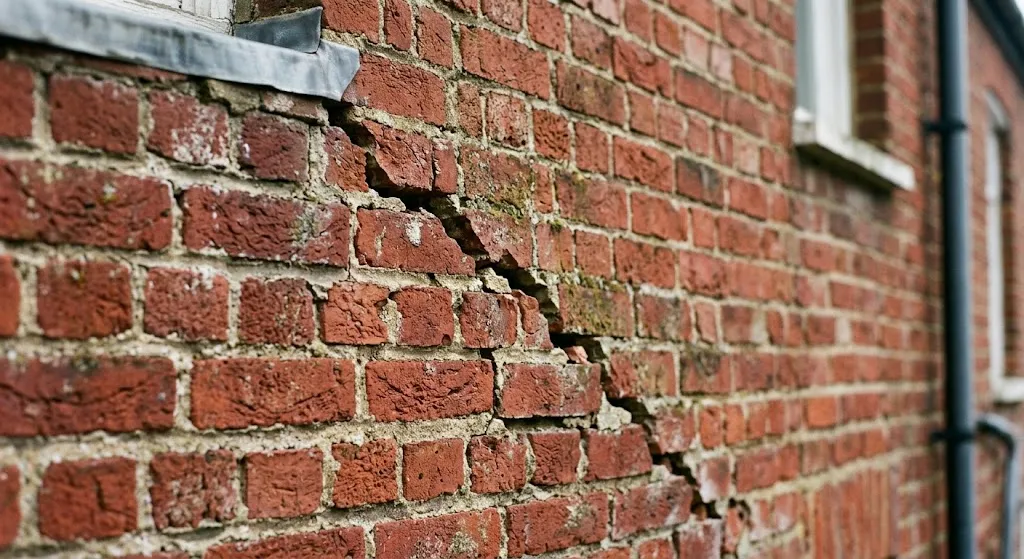
- Structural cracks wider than a few millimetres, particularly diagonal ones near windows or door frames
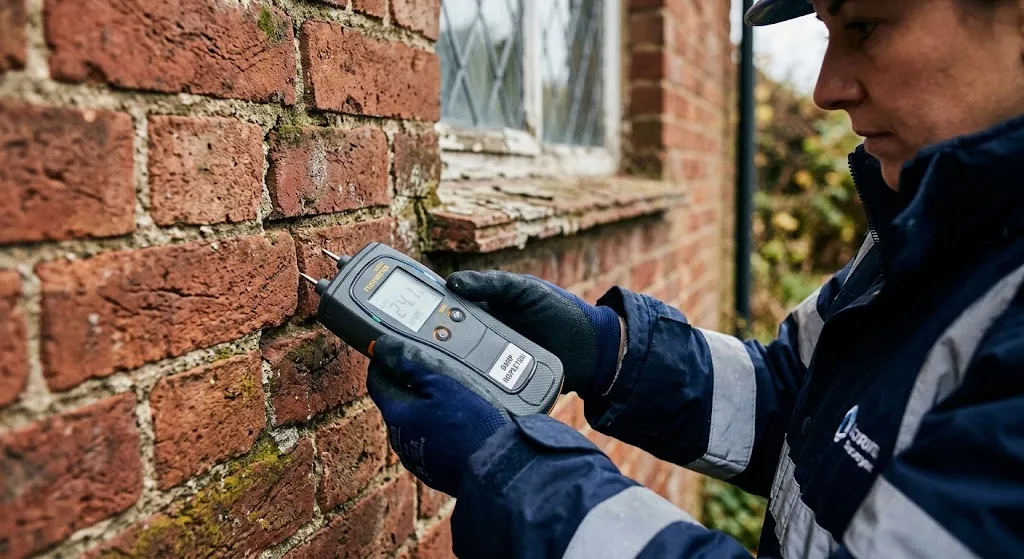
- Damp readings sitting above normal levels, or visible mould tucked behind furniture and in corners
- Roof coverings missing tiles, sagging, or showing signs of water getting in
- Old wiring systems, anything predating the 1980s consumer unit standard, that's never been upgraded
Spot more than one of these in your report? It's worth bringing in a specialist opinion before moving further with the purchase.
Getting the Timing Right
Booking After Your Offer Is Accepted
The sensible window is one to three weeks after your offer's accepted. That gives the chain time to confirm it's actually progressing, rather than you paying for a survey on a sale that collapses a week later.
What Can Push Your Booking Back
An incomplete chain, or a seller who's gone quiet on initial questions, are both good reasons to hold off booking. Surveyors also tend to get booked up two to three weeks ahead during busy periods, so build that into your timeline.
Turning Your Report Into Action
Reading the Defect Categories
Reports generally sort issues into three categories. Category 1 needs no action. Category 2 needs repair or maintenance, but there's no urgency. Category 3 flags serious defects that need addressing urgently, sometimes before you even move in.
Using Findings to Negotiate
Category 3 findings, or a cluster of Category 2s, give you solid ground to go back to the seller. Get a rough repair estimate first, then bring the figures to your estate agent rather than just the report on its own. Numbers persuade far better than vague worry.
Lining Up Repair Quotes
Before anything's finalised, get at least one or two tradesperson quotes for the biggest flagged issues. It gives you a real number to negotiate against and avoids nasty surprises once contracts are exchanged.
Survey, Valuation or Search: Which Is Which?
What Each One Actually Covers
A mortgage valuation exists for your lender's benefit, confirming the property's worth what they're lending against. It won't dig into condition in any meaningful way. A survey is for you, the buyer, and looks properly at condition. Conveyancing searches are a separate legal check covering things like planning history, flood risk, and local authority records.
Why You'll Likely Need All Three
If you're borrowing, the valuation is unavoidable. The survey is optional but strongly worth having. Searches happen regardless as part of the standard legal process. Each does a different job, and having one doesn't cover you for the others.
Finding a Surveyor You Can Trust
Credentials Worth Checking
Confirm RICS accreditation, genuine experience with your specific property type (period homes need different expertise from new builds), and recent local reviews. If you're buying in Liverpool specifically, this local guide on homebuyer surveys walks through what a Liverpool-based inspection typically covers.
Questions Worth Asking First
Find out what's covered in the fixed fee, whether drone roof photography comes standard or costs extra, turnaround time for the report, and whether they'll talk you through findings by phone afterwards. A surveyor who dodges that last question probably isn't the one to book.
Before committing to anything, it's worth reading what nobody tells you about house disrepair surveys, which covers some practical gaps most standard advice leaves out.
Frequently Asked Questions
What's the price range for a typical property survey?
Anywhere from £300 for a basic Condition Report up to £2,000 or more for a Full Structural Survey on a larger or older home.
Which findings should actually worry me?
Wide structural cracks, high damp readings, roof damage, and outdated wiring are the main ones worth taking seriously.
Is paying for a survey actually worth the money?
In most cases, yes. The fee is small next to the cost of fixing something nobody flagged before you bought.
How do I know whether I need a Level 2 or Level 3 survey?
A Level 2 suits standard properties in reasonable shape. A Level 3 makes more sense for older, altered, or unusual buildings where more could be lurking beneath the surface.
The Bottom Line
A survey costs a few hundred pounds. Skipping one can cost you a great deal more further down the line. Whatever you're buying across Merseyside, from a new-build near the docks to a century-old terrace in Wavertree, match the survey level to the property and actually read the report before you commit to anything. Need help finding the right surveyor or booking one for your own purchase? Get in touch with our team and we'll steer you in the right direction.
Find out more about what we do at ASG Consulting.
About the Author
Written by the team at ASG Consulting, who work with buyers across Merseyside on property surveys and homebuying advice day to day. Enough survey reports have crossed our desks to know which red flags genuinely matter and which are just paperwork.



























Sign in to leave a comment.