

Certain types of facial and throat pain can be difficult to identify because their symptoms may resemble dental, ear, throat, or other neurological problems. When pain occurs suddenly and repeatedly in areas supplied by specific nerves, a detailed neurological evaluation can help determine the underlying cause. Understanding What is glossopharyngeal neuralgia can help patients recognize the condition and understand why specialized assessment may be recommended. This uncommon neurological disorder involves the glossopharyngeal nerve and can produce brief episodes of intense pain affecting the throat, tonsillar region, tongue, jaw, or ear, depending on the nerve pathways involved.
Understanding Glossopharyngeal Neuralgia
Glossopharyngeal neuralgia is a neurological condition characterized by sudden episodes of severe, sharp, or stabbing pain along areas supplied by the glossopharyngeal nerve. This nerve has important roles in sensation involving parts of the throat, tongue, tonsils, and ear, as well as certain functions related to swallowing. Pain episodes are usually brief but can be extremely intense. They may occur repeatedly over time and can sometimes be triggered by ordinary activities. Because the symptoms can resemble other causes of throat, ear, or facial discomfort, accurate diagnosis is especially important.
Understanding the Glossopharyngeal Nerve
The glossopharyngeal nerve is one of the cranial nerves that originates in the brain and travels through the head and neck. It carries sensory information from parts of the throat, tonsils, tongue, and middle ear. It also contributes to functions involving swallowing and certain reflexes. When the nerve becomes irritated or compressed, abnormal pain signals can occur. The exact cause of glossopharyngeal neuralgia varies among patients. Understanding the nerve's pathway and functions can help explain why pain may appear in several seemingly unrelated areas during an episode.
Common Symptoms
The most recognizable symptom is sudden, severe pain that may feel sharp, stabbing, or electric. Pain commonly affects one side and may involve the throat, tonsillar area, base of the tongue, angle of the jaw, or ear. Individual episodes can last from seconds to a few minutes, although the pattern can vary. Some patients experience multiple attacks during a day, while others may have longer periods between episodes. Because the pain can be intense and unpredictable, patients may begin avoiding activities they believe could trigger another episode.
Common Pain Triggers
Glossopharyngeal neuralgia can sometimes be triggered by ordinary movements or activities involving the throat and mouth. Swallowing is a commonly reported trigger, and pain may also occur while speaking, coughing, sneezing, chewing, or yawning. Drinking very cold or hot liquids may trigger symptoms in some individuals. Even touching certain areas inside or around the mouth can occasionally provoke an episode. Triggers are not identical for every patient, and some attacks can occur without an obvious cause. Identifying patterns can provide useful information during medical evaluation and help distinguish the condition from other sources of pain.
How Symptoms Can Affect Daily Life
Although individual pain attacks may be short, repeated episodes can interfere significantly with daily activities. Patients may become hesitant to eat, drink, speak, or swallow because they fear triggering another attack. Sleep can also be affected when episodes occur unpredictably. Persistent concern about when the next episode may happen can make routine activities more difficult. Some individuals may modify their diet or social activities to reduce exposure to triggers. Recognizing these effects is important during evaluation because the impact of the condition extends beyond the pain itself and can influence overall quality of life.
Possible Causes
In some cases, glossopharyngeal neuralgia may be associated with irritation or compression of the glossopharyngeal nerve by a nearby blood vessel. Other possible causes can include structural abnormalities, tumors, inflammation, or previous injury affecting the nerve pathway. In some patients, no specific underlying cause is identified. Because different conditions can produce similar symptoms, identifying or excluding an underlying structural problem is an important part of evaluation. Diagnostic imaging and neurological assessment may help determine whether an identifiable cause exists and whether additional testing is necessary.
Importance of Accurate Diagnosis
Diagnosing glossopharyngeal neuralgia can require careful consideration because throat, ear, tongue, and facial pain have many possible causes. Dental disorders, infections, temporomandibular problems, ear conditions, and other nerve related disorders can sometimes produce overlapping symptoms. A detailed medical history can help establish the duration, location, intensity, and triggers of pain. Neurological examination may provide additional information. Imaging can be useful when a structural cause is suspected. A thorough evaluation helps distinguish glossopharyngeal neuralgia from other conditions and supports an appropriate treatment strategy.
Diagnostic Evaluation
During an evaluation, the specialist may ask detailed questions about the patient's pain episodes. Important information includes where the pain begins, where it spreads, how long each episode lasts, how frequently attacks occur, and what activities trigger them. The specialist may also review previous medical conditions, treatments, and diagnostic studies. Imaging such as magnetic resonance imaging may be considered to examine structures along the nerve pathway. The exact diagnostic process depends on individual circumstances. A careful combination of symptom history, clinical examination, and appropriate testing can provide a clearer understanding of the condition.
Medication Based Treatment
Medication is often considered an initial treatment approach for neuralgic pain. Certain medications can help reduce abnormal nerve signaling and decrease the frequency or severity of pain episodes. The choice of medication depends on individual medical factors, potential side effects, interactions with other treatments, and response to therapy. Patients should use medications according to professional instructions and report significant side effects. Treatment may require adjustments over time because effectiveness and tolerance can vary. Medication does not necessarily address an underlying structural cause, so additional evaluation may be appropriate when symptoms persist.
When Additional Treatment May Be Considered
If medication does not adequately control symptoms or causes unacceptable side effects, other treatment options may be considered. The appropriate approach depends on the suspected cause, severity of symptoms, overall health, and previous treatments. In selected cases, procedures designed to address nerve compression or abnormal nerve signaling may be discussed. Patients should receive a detailed explanation of the purpose, potential benefits, risks, and alternatives associated with any proposed intervention. Treatment decisions should be individualized rather than based solely on the severity of pain or the presence of a particular diagnosis.
Surgical Considerations
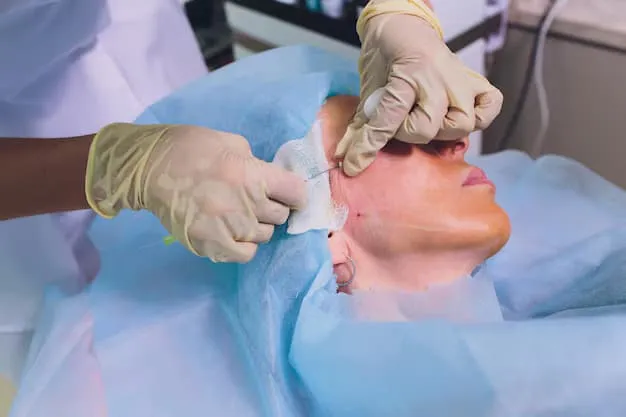
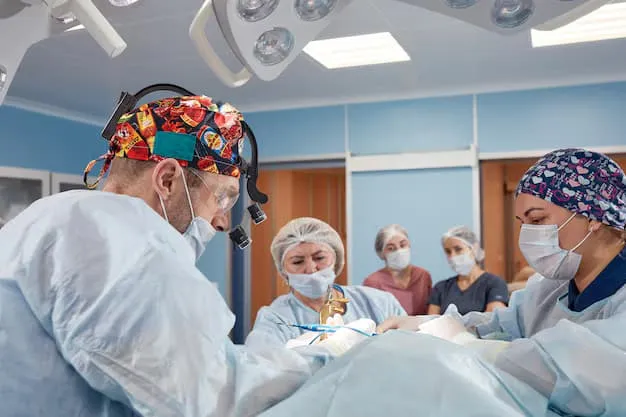
Surgery may be considered in selected patients when symptoms are severe, persistent, or inadequately controlled through other treatments and when an identifiable structural cause is present. One surgical approach may involve addressing compression of the affected nerve when a blood vessel or another structure is responsible for irritation. The suitability of surgery depends on imaging findings, symptoms, medical history, and overall health. Before intervention, patients should understand the intended goal of treatment, potential complications, recovery expectations, and alternatives. A detailed consultation can help determine whether surgery is appropriate for the individual condition.
Understanding Potential Surgical Risks
Because the glossopharyngeal nerve is involved in sensation and certain swallowing related functions, treatment near this nerve requires careful planning. Potential risks depend on the procedure and may include infection, bleeding, anesthesia related complications, changes in sensation, swallowing difficulties, or other neurological effects. The actual risks vary according to individual anatomy and treatment approach. Patients should receive personalized information before deciding on an intervention. Understanding both potential benefits and possible complications allows individuals to establish realistic expectations and participate more actively in discussions about treatment.
Role of Imaging in Treatment Planning
Imaging can be particularly important when a structural cause of glossopharyngeal neuralgia is suspected. Detailed studies may help specialists examine the nerve's pathway and identify nearby blood vessels, masses, or other abnormalities. Imaging findings must be interpreted alongside symptoms because not every anatomical variation is responsible for pain. When surgery is being considered, imaging can assist with understanding the relevant anatomy and planning an appropriate treatment approach. Careful interpretation can help distinguish clinically significant findings from incidental abnormalities and provide a stronger foundation for individualized treatment decisions.
Managing Triggers
Identifying and managing triggers can sometimes help patients reduce exposure to activities associated with painful episodes. Keeping a symptom record may help identify patterns involving swallowing, speaking, chewing, coughing, or certain foods and beverages. Patients should not avoid necessary nutrition or hydration without professional guidance. Instead, information about triggers can be discussed during medical appointments to support diagnosis and symptom management. Trigger avoidance alone does not treat the underlying condition, but it may provide practical information and help patients understand their symptoms while a comprehensive treatment plan is being developed.
Living With Glossopharyngeal Neuralgia
Living with recurring nerve pain can be challenging, particularly when episodes are unpredictable. Patients may worry about eating, speaking, or participating in normal activities because of possible triggers. Maintaining communication with healthcare professionals can help address changes in symptoms and treatment response. Patients may also benefit from keeping records of pain episodes, medication effects, and possible triggers. This information can make follow up discussions more productive. With appropriate evaluation and individualized management, treatment can focus on reducing pain episodes and helping patients maintain daily activities as comfortably and safely as possible.
When to Seek Medical Evaluation
Persistent, severe, unexplained throat, tongue, jaw, or ear pain should receive appropriate medical attention, especially when episodes repeatedly occur without an obvious cause. New neurological symptoms or changes in swallowing should also be evaluated promptly. Severe or unusual symptoms that develop suddenly may require urgent medical assessment because they can have causes unrelated to neuralgia. Patients should avoid assuming that recurring pain is automatically glossopharyngeal neuralgia. A healthcare professional can determine whether the symptoms fit the condition or whether another disorder requires consideration.
Preparing for a Specialist Consultation
Patients can prepare for a neurological consultation by documenting their symptoms in detail. Useful information includes the location of pain, duration of each episode, frequency, intensity, known triggers, and associated symptoms. A list of current medications and previous treatments can also help the specialist understand what has already been attempted. Patients may want to ask whether additional imaging is necessary and whether the symptoms suggest an identifiable cause. Preparing questions in advance can make the consultation more productive and ensure that important concerns about diagnosis, treatment, and future management are addressed.
Considering a Second Opinion
A second opinion may be useful when symptoms are difficult to diagnose or when an invasive treatment has been recommended. Another qualified specialist can review the patient's history, imaging, examination findings, and previous treatments. This additional perspective may confirm the diagnosis or identify other possible explanations and treatment approaches. Seeking another opinion does not necessarily indicate that the first assessment was incorrect. It provides an opportunity to gather additional information before making an important treatment decision. Patients should provide complete medical records and imaging when seeking another evaluation.
Conclusion
Glossopharyngeal neuralgia is an uncommon neurological condition involving episodes of intense pain along areas supplied by the glossopharyngeal nerve. Recognizing the characteristic pattern of sudden pain, identifying possible triggers, and obtaining appropriate diagnostic evaluation can help distinguish it from other causes of throat, ear, tongue, or facial discomfort. Treatment may involve medication, monitoring, or selected procedures depending on the underlying cause and individual circumstances. Robert Louis MD supports individualized neurological evaluation and patient education, helping individuals understand complex nerve pain conditions and explore appropriate diagnostic and treatment considerations with qualified medical professionals.


























Sign in to leave a comment.