
Fuel storage tanks are a critical part of infrastructure planning for power generation, construction, marine, and industrial facilities. Whether a project requires a single backup tank or a full bulk storage system, choosing the right configuration affects safety, maintenance costs, and long-term reliability.
Above Ground Fuel Storage Tanks
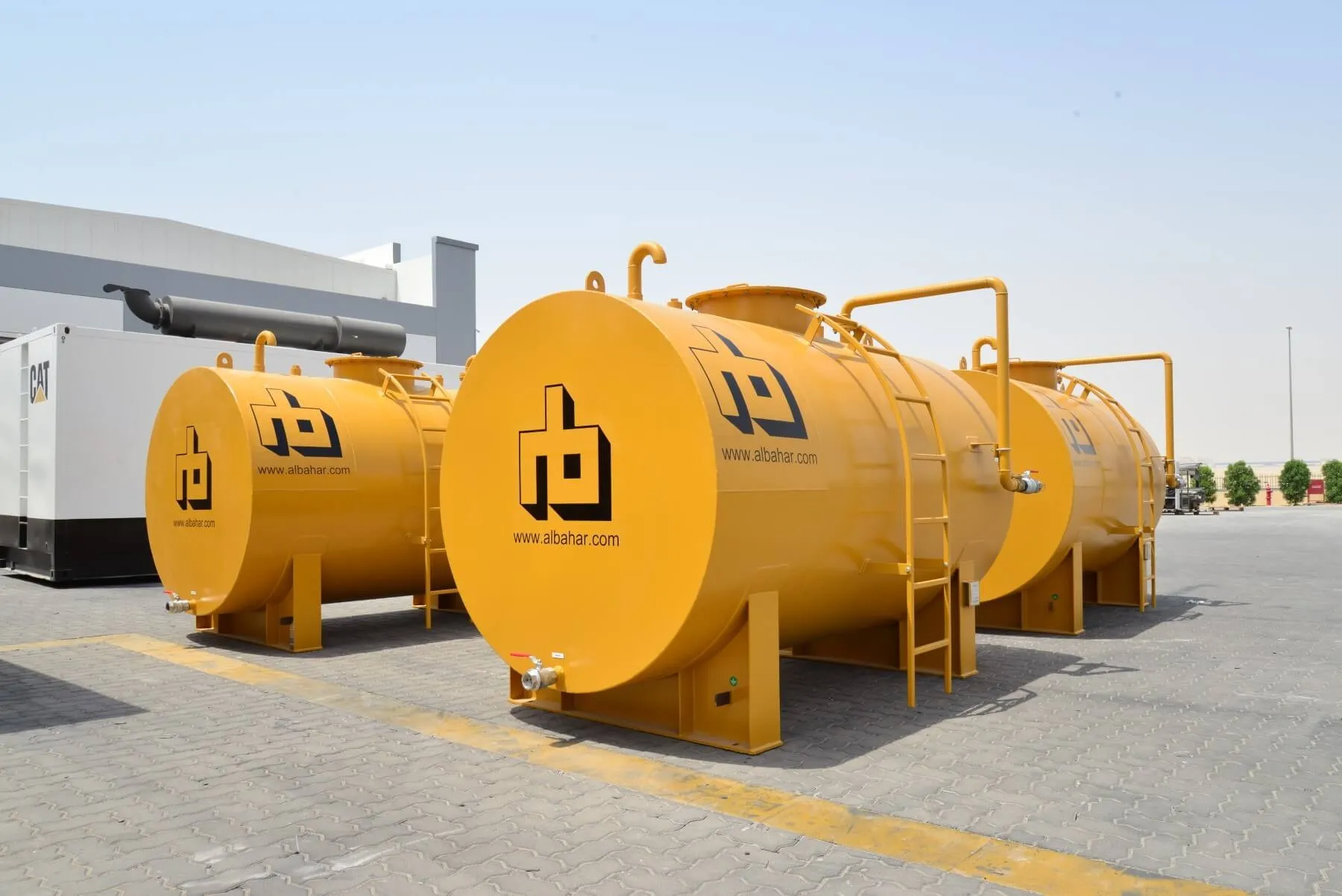
Above ground fuel storage tanks remain the preferred choice for most commercial and industrial sites because they are easier to inspect, maintain, and relocate compared to buried alternatives. Since the tank sits in plain view, leaks and corrosion can be spotted early, which reduces environmental risk and lowers long-term maintenance costs. Above ground tanks are typically supplied in cylindrical, rectangular, or cube configurations, with capacities ranging anywhere from a few hundred litres up to tens of thousands of litres depending on the application.

Diesel Fuel Storage Tanks
Diesel fuel storage tanks are among the most common installations at generator sites, construction yards, and marine terminals. A well-built diesel tank needs to account for fuel fill and return connections, a manhole for internal access, air vents, a level gauge, and lifting points for safe handling. Reputable manufacturers construct these tanks using non-corrosive materials and finish them with a protective external coating system, since diesel tanks are frequently exposed to sun, rain, and industrial dust over many years of service.
Fuel Storage Tanks: 1000 Gallons and Beyond
A 1000-gallon fuel storage tank (roughly 3,800 litres) is a popular mid-range size for backup generators and small fleet refuelling stations. It's large enough to reduce refill frequency but still compact enough to fit within a standard site footprint. Manufacturers who offer a wide capacity range, from 500 litres up to 50,000 litres, can typically customize a 1000-gallon-equivalent tank without needing a fully bespoke engineering process, which keeps lead times shorter.
Cost of Fuel Storage Tanks
The cost of fuel storage tanks depends on several factors: capacity, wall configuration (single wall vs. double wall), shape (cylindrical tanks are generally more economical to fabricate than rectangular ones), material grade, and any added features such as bunding, secondary containment, or specialized coatings. Certification requirements also affect price — a tank built and tested to UL 142 standards, for example, will typically cost more than an uncertified unit but offers verified structural and leak-safety performance in return.
Rectangular Diesel Fuel Storage Tanks
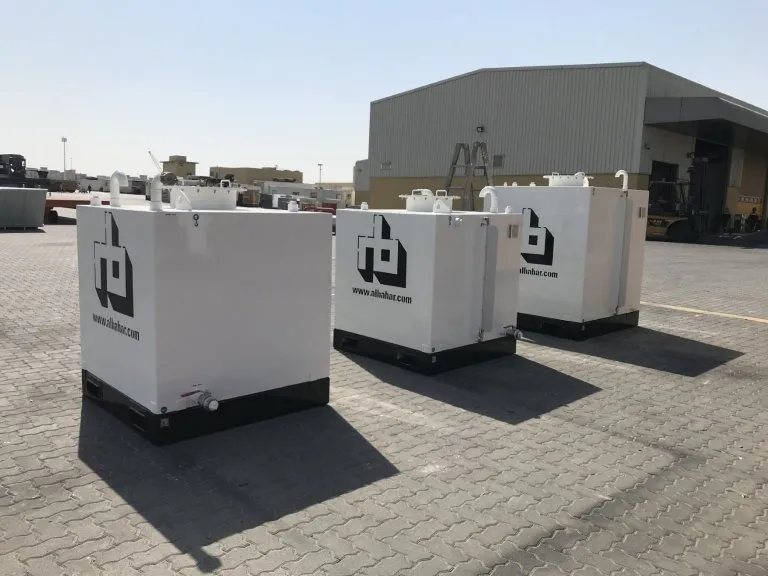
Rectangular diesel fuel storage tanks are often chosen when floor space is limited or when a tank needs to fit against a wall or inside a compact plant room. While cylindrical tanks are more common for larger bulk volumes, rectangular designs make efficient use of tight footprints without sacrificing capacity, and they can still be built as single-wall or double-wall units depending on the site's containment requirements.
Working with an Experienced Manufacturer
Al Bahar MCEM has been manufacturing custom fuel storage tanks in Dubai since 2002, supplying cylindrical, rectangular, cube, dish-ended, and flat-ended tanks in both single-wall and double-wall configurations across the UAE, Oman, Qatar, Kuwait, and Bahrain.
























Sign in to leave a comment.