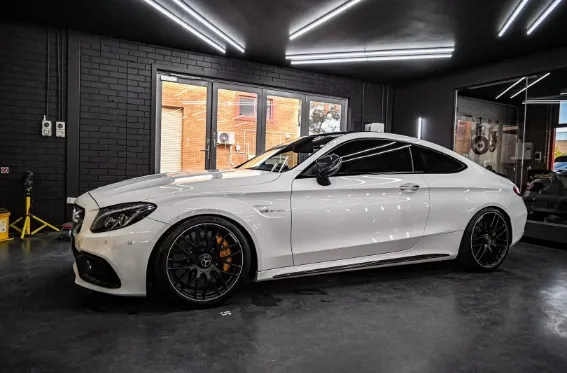

Choosing car window tint can seem straightforward until you start comparing shades, film types, heat rejection claims and installation options. The darkest film is not automatically the best film, and the cheapest option may not provide the long-term finish you expect.
For Canberra motorists considering window tinting canberra, the better approach is to look at the complete package: comfort, visibility, appearance, privacy, performance, installation quality and legal compliance.
What Does Automotive Window Tint Actually Do?
Automotive window tint is a film applied to vehicle glass to alter the amount of light and solar energy passing through it.
Depending on the type of film selected, tint can provide benefits such as:
- Reduced visible glare
- Improved cabin privacy
- Reduced solar heat
- UV protection
- A more refined exterior appearance
- Additional protection for interior surfaces
Different films perform differently, so it is important to understand what you are paying for.
Why Canberra Drivers Consider Window Tint
Canberra experiences bright sunny conditions throughout the year. While summer is an obvious concern, glare and sunlight can also be uncomfortable during other seasons.
The sun's position can create strong reflections through side windows, especially during morning and afternoon commutes.
For people who drive regularly, managing these conditions can make the cabin more comfortable.
Summer Comfort
A parked vehicle can heat up quickly when exposed to direct sunlight. Seats, steering wheels and other surfaces may become uncomfortable to touch.
A suitable automotive film can help reduce solar heat entering through the windows. While tint does not turn a car into a refrigerated space, it can contribute to a more manageable interior temperature.
Privacy
Tint can make the cabin less visible from outside. This can be particularly useful for motorists who regularly carry equipment, bags or personal belongings.
Privacy also changes the visual character of a vehicle, giving many cars a cleaner and more sophisticated appearance.
Different Types of Automotive Window Film
One of the biggest mistakes people make is comparing tint purely by darkness.
There are different film technologies, including dyed, metallic, hybrid and ceramic options. Each can have different characteristics relating to appearance, heat management, signal compatibility and durability.
Dyed Film
Dyed films are often selected for their appearance and affordability. They can provide privacy and reduce visible light, although performance can vary considerably between products.
Metallic Film
Metalised films use metallic components to reflect solar energy. Depending on the product, they may affect electronic signals, so compatibility should be discussed before installation.
Ceramic Film
Ceramic films use advanced materials designed to provide strong solar performance while maintaining visibility and a less reflective appearance. They are often considered by drivers who prioritise heat management and optical clarity.
The right option depends on your vehicle and priorities rather than simply choosing the most expensive product.
How Dark Should Your Tint Be?
Tint darkness should never be selected solely according to personal preference.
Australian road rules regulate window tint, and requirements can differ according to the window being treated. Canberra motorists should check current ACT requirements and ensure the selected film complies with applicable visible light transmission rules.
A professional installer can help you understand appropriate options.
Signs of a Quality Installation
The installation itself is just as important as the film.
A properly installed tint should have a neat, consistent appearance without obvious bubbles, creases or contamination.
Look closely around:
- Window edges
- Corners
- Door glass
- Rear window
- Defroster lines
- Seals and trims
A clean installation should look integrated with the vehicle rather than appearing like an aftermarket addition.
Practical Example: Choosing Tint for a Family SUV
Imagine a family in Canberra that uses an SUV for school runs, commuting and weekend trips.
Their priorities may include:
- Reducing afternoon glare
- Keeping children more comfortable
- Improving privacy
- Protecting the interior
- Maintaining clear visibility
- Staying within legal tint limits
Rather than choosing the darkest available film, they could discuss a film that balances these requirements.
That approach is more practical than selecting tint based only on appearance.
What Questions Should You Ask an Installer?
Before booking your vehicle, ask:
- What type of film is recommended?
- What is the film's visible light transmission?
- How does the film perform against solar heat?
- Is there a warranty?
- How should the windows be cared for after installation?
- Does the film comply with applicable regulations?
- How long should the installation take?
A professional business should be comfortable explaining these points.
Caring for Newly Tinted Windows
Freshly installed film needs time to settle. Your installer should provide specific aftercare instructions.
Generally, avoid disturbing the film during the initial curing period and follow the recommended cleaning procedure.
When cleaning tinted windows, use products and materials that are suitable for automotive window film. Avoid abrasive tools that could scratch the surface.
FAQs
Does tint make a car completely cool?
No. Window tint can help reduce solar heat entering through the glass, but it does not eliminate heat from the vehicle. Air conditioning, insulation and parking conditions also affect cabin temperature.
Is darker tint always better?
No. Darkness is only one characteristic. Heat rejection, UV performance, visibility, film quality and legal compliance also matter.
Can tint improve driving comfort?
It can reduce the amount of intense sunlight and glare entering through the windows, which may make bright driving conditions more comfortable.
Should I choose tint based on price?
Price should be considered alongside film quality, installation standards, warranty and expected performance.
Conclusion
Selecting automotive window film is about more than choosing a shade. The right solution should balance comfort, appearance, privacy, visibility, performance and legal requirements.
If you are researching window tinting canberra, take time to compare film technology and installation quality rather than choosing purely on price or darkness.
Dapper Auto can help Canberra motorists explore suitable automotive tinting options based on their vehicle and everyday requirements. Get in touch to discuss your vehicle and find an option that fits your priorities.




























Sign in to leave a comment.