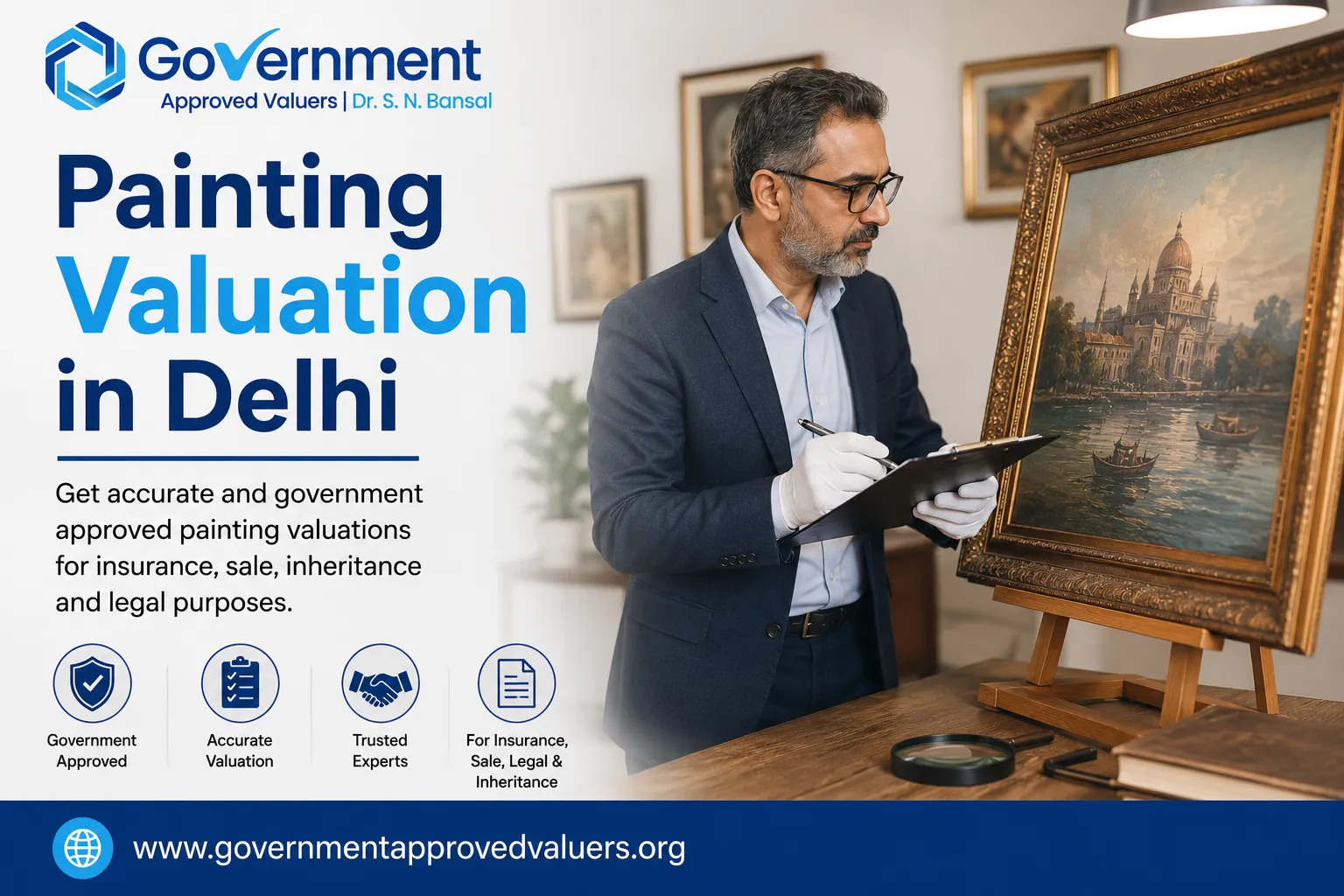

Imagine inheriting a painting from your grandparents, buying artwork at an auction years ago, or simply owning a piece you've always wondered about. At some point, a simple question crosses your mind: what is this actually worth? Whether you're planning to sell, insure, donate, or include it in an estate settlement, knowing the true worth of your artwork isn't just helpful it's essential for making informed financial decisions.
In a city like Delhi, home to a thriving art market, heritage collectors, and a growing number of contemporary art buyers, getting this question answered correctly requires more than a rough guess or an online search. It requires expertise, market knowledge, and a structured process.
Why Getting the Right Price Estimate Matters
Many people underestimate how much can go wrong when artwork isn't assessed properly. A painting might be underpriced during a sale, leading to a significant financial loss. On the other hand, an inflated or inaccurate figure can cause problems with insurance claims, tax filings, or legal disputes among heirs. This is precisely why Painting Valuation in Delhi has become such a sought-after service among collectors, families, galleries, and even corporate offices that maintain art collections as part of their assets.
The process isn't as simple as comparing your artwork to similar pieces sold online. Several factors come into play:
- Authenticity and provenance – Verifying the artist, period, and history of ownership.
- Condition of the artwork – Any damage, restoration work, or aging affects the final figure.
- Market demand – Some artists and styles are currently in high demand, while others may be undervalued or overvalued based on trends.
- Medium and rarity – Oil paintings, watercolors, prints, and mixed media are all assessed differently.
- Historical and cultural significance – A piece tied to a significant movement or era often carries additional worth beyond its visual appeal.
Because of these variables, an accurate assessment requires trained eyes and access to market data that isn't always publicly available.
The Process Behind a Professional Assessment
When you approach a professional for this service, the process typically unfolds in a few clear stages:
Step 1: Initial Consultation
You share details about the artwork its origin, how it was acquired, any existing documentation, and your purpose for the assessment (sale, insurance, inheritance, or donation).
Step 2: Physical Examination
The artwork is examined closely for signs of age, restoration, brushwork consistency, and any signatures or markings that help confirm authenticity.
Step 3: Research and Comparison
Past auction records, gallery sales, and current market trends for similar works are studied to arrive at a realistic figure.
Step 4: Documentation
A formal report is prepared, often required for insurance companies, banks, legal proceedings, or resale purposes.
This structured approach ensures that the final figure isn't a random estimate but a well-researched conclusion backed by evidence.
The Importance of Choosing Experienced Painting Valuers in Delhi
Not everyone offering this service has the same level of expertise. This is where the credibility of Painting Valuers in Delhi becomes critical to the entire process. Experienced professionals in this field typically have backgrounds in art history, years of hands-on exposure to the auction and gallery circuit, and established networks that give them access to reliable market data.
A qualified valuer doesn't just look at a painting and quote a number. They cross-reference historical sales data, consult auction house archives, and sometimes even collaborate with art historians or conservation experts when authenticity is in question. This is especially important for older or unsigned works, where determining the artist or period requires specialized knowledge.
Delhi's art scene is particularly diverse ranging from traditional Mughal-era miniatures and Bengal School paintings to modern and contemporary works by artists who have gained recognition in recent decades. A valuer familiar with this breadth of styles is far better equipped to give you an accurate figure than someone with narrow expertise.
When selecting a professional, consider the following:
- Their experience with the specific style or era of your artwork
- Whether they provide written, detailed reports
- Their reputation among galleries, auction houses, or collector communities
- Transparency about their assessment methodology
- Whether their reports are accepted by insurance companies, banks, or legal institutions
Taking the time to choose the right expert can make a significant difference, especially when large sums of money or family heirlooms are involved.
Common Situations Where This Service Becomes Essential
- Estate planning and inheritance – Dividing assets fairly among family members often requires knowing the true worth of inherited art.
- Insurance coverage – Insuring valuable artwork against theft, fire, or damage requires an accurate figure to determine premium and coverage amount.
- Selling or auctioning – Setting a realistic asking price helps avoid underselling or scaring away potential buyers with unrealistic pricing.
- Donations – Many donors need documentation for tax purposes when gifting artwork to institutions.
- Legal disputes – Courts often require independent, professional reports during property or inheritance disputes.
Final Thoughts
Owning a painting is often as much an emotional experience as a financial one. But when it comes to making decisions about that artwork's future whether keeping it, insuring it, selling it, or passing it down, having a clear, professional understanding of its worth protects both your financial interests and the artwork's legacy. Taking the time to work with qualified experts ensures that decisions are made with confidence, not guesswork.
Frequently Asked Questions
Q1: How long does the assessment process usually take?
Depending on the complexity of the artwork and the research required, it can take anywhere from a few days to a couple of weeks, especially if authentication research is involved.
Q2: Is documentation like a certificate of authenticity always required?
While not always mandatory, having original purchase receipts, gallery certificates, or provenance documents can significantly speed up the process and support a more accurate figure.
Q3: Does the assessment change over time?
Yes. Art markets fluctuate based on demand, artist recognition, and broader economic trends, so periodic reassessment is recommended, especially for insurance purposes.
Q4: Can damaged or restored paintings still be assessed accurately?
Absolutely. Professionals factor in the extent of damage or restoration work, though it may affect the final figure compared to a piece in pristine condition.
Q5: Do I need to bring the painting in person, or can it be done remotely?
While photographs and details can provide a preliminary estimate, a physical examination is usually recommended for a final, accurate, and documented assessment.






















Sign in to leave a comment.