A Complete Guide to Pilot Plant Fabrication

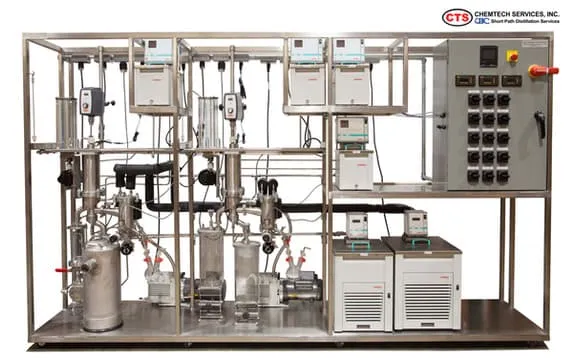
Bringing an industrial process from laboratory research to full scale manufacturing requires careful planning, technical expertise, and reliable testing. Many organizations depend on pilot plant fabrication to validate designs, improve production methods, and minimize costly risks before commercial implementation. This essential stage bridges the gap between small scale experiments and large scale operations by creating functional systems that closely replicate real production environments. Through proper engineering, businesses gain valuable insights into equipment performance, process efficiency, product quality, and operational safety before making significant investments.
Understanding Pilot Plant Fabrication
What It Means in Industrial Processing
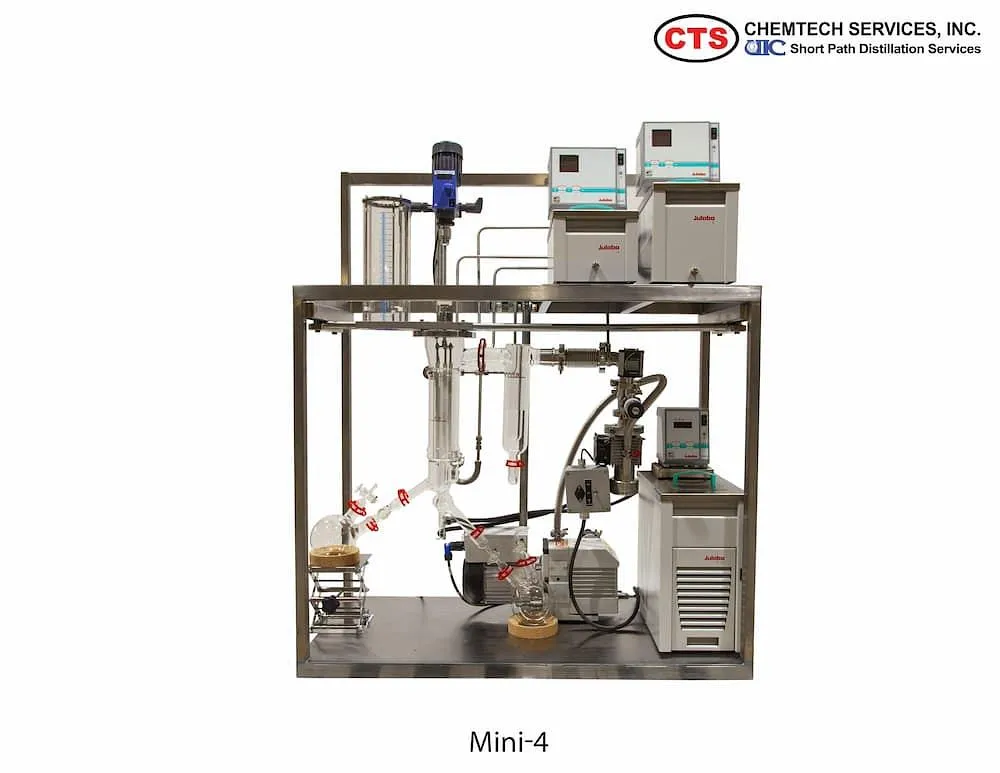
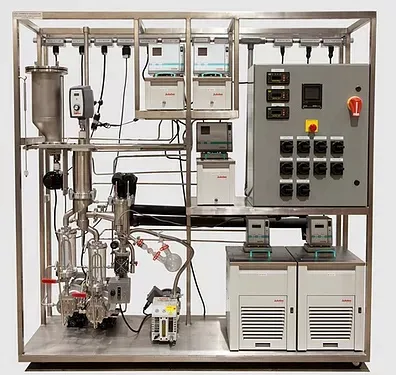
Pilot plant fabrication refers to the design, engineering, and construction of a smaller production system that simulates commercial manufacturing conditions. It enables engineers and researchers to evaluate equipment performance, optimize production methods, and verify product consistency before investing in a full scale facility. This approach allows important adjustments to be made while keeping project costs under control and reducing technical uncertainty. It plays a vital role in industries that require precision, repeatability, and dependable process validation before expanding production capacity.
Why It Is an Important Development Stage
Every manufacturing process carries some level of uncertainty during development. Pilot plant fabrication helps eliminate much of this uncertainty by providing real operating conditions without the expense of building a complete production facility. Engineers can analyze production variables, monitor equipment performance, and improve system efficiency while collecting accurate operating data. The information gathered during pilot operations supports better engineering decisions and creates a smoother transition into commercial manufacturing with fewer unexpected challenges.
The Purpose of a Pilot Plant
Bridging Research and Commercial Production
Laboratory experiments often demonstrate scientific feasibility but cannot fully represent commercial manufacturing conditions. A pilot plant fills this important gap by operating at a larger scale while maintaining flexibility for process improvements. This environment allows production teams to observe equipment interactions, measure operational efficiency, and identify potential design limitations. The transition becomes more predictable because performance data reflects actual production behavior rather than theoretical calculations or limited laboratory observations.
Reducing Technical and Financial Risks
Developing a commercial production facility requires significant financial investment. Constructing a pilot plant first allows organizations to verify design assumptions before committing substantial resources. Engineers can identify operational issues, improve equipment layouts, and optimize production parameters in a controlled environment. These improvements reduce the possibility of expensive modifications after commercial construction has already begun. As a result, organizations make better investment decisions based on proven operational evidence instead of assumptions.
Key Components of Pilot Plant Fabrication
Process Equipment Selection
Choosing the correct equipment represents one of the most important aspects of pilot plant fabrication. Every vessel, pump, heat exchanger, separator, reactor, and filtration system must support the intended production process while remaining flexible for testing different operating conditions. Equipment selection depends on process chemistry, production capacity, operating temperatures, pressures, and material compatibility. Careful planning ensures reliable performance throughout testing while providing meaningful results for future commercial scale production.
Instrumentation and Process Controls
Accurate monitoring forms the foundation of every successful pilot operation. Modern pilot plants include advanced sensors that continuously measure temperature, pressure, flow rates, liquid levels, and product characteristics. Automated control systems help maintain stable operating conditions while collecting valuable process information. Engineers use this data to improve efficiency, optimize production parameters, and identify opportunities for further system enhancements. Reliable instrumentation significantly improves process understanding and supports informed engineering decisions.
Structural Design and Layout
An efficient plant layout improves productivity, simplifies maintenance, and enhances operational safety. Engineers carefully arrange equipment to maximize accessibility while minimizing unnecessary piping and complicated process routing. Proper spacing allows operators to perform inspections, maintenance, and equipment adjustments with greater efficiency. Well organized layouts also support future modifications when additional testing or process improvements become necessary. Thoughtful structural planning contributes to smoother operations throughout every stage of pilot testing.
The Pilot Plant Fabrication Process
Initial Planning and Engineering
Every successful project begins with detailed planning and engineering analysis. Process objectives, production requirements, operating conditions, and regulatory considerations are evaluated before fabrication starts. Engineers develop process flow diagrams, equipment specifications, and construction plans that align with testing goals. Careful planning helps prevent design errors while ensuring the completed pilot plant delivers reliable operational performance. Strong engineering preparation provides the foundation for efficient fabrication and successful process validation.
Equipment Manufacturing and Assembly
Once engineering plans are complete, fabrication specialists manufacture and assemble each system according to precise specifications. High quality materials are selected based on chemical compatibility, operating temperatures, and pressure requirements. Skilled technicians carefully install piping, vessels, pumps, valves, instrumentation, and supporting structures. Every component undergoes detailed inspection throughout assembly to ensure proper fit, structural integrity, and reliable long term performance under expected operating conditions.
System Testing and Commissioning
After fabrication is complete, the entire system undergoes comprehensive testing before process operations begin. Pressure testing, leak inspections, instrumentation calibration, and control system verification confirm that all components function correctly. Engineers gradually introduce operating conditions while monitoring equipment behavior and system stability. Commissioning allows any remaining adjustments to be completed before production trials start. This careful approach improves operational reliability and protects valuable research and development efforts.
Advantages of Pilot Plant Fabrication
Improved Process Optimization
Pilot operations provide valuable opportunities to refine manufacturing processes before commercial implementation. Engineers evaluate production variables, adjust operating parameters, and compare different processing methods under realistic conditions. Continuous testing identifies opportunities for higher yields, improved product quality, reduced energy consumption, and lower operating costs. These improvements create a stronger production process capable of delivering consistent performance once commercial manufacturing begins.
Better Product Quality
Consistent product quality remains essential across nearly every manufacturing industry. Pilot plants allow production teams to evaluate raw materials, processing conditions, and equipment performance before full scale production starts. Continuous monitoring helps identify factors that influence product consistency while supporting improvements in manufacturing procedures. The result is greater confidence that commercial production will meet quality expectations while maintaining reliable performance over extended operating periods.
Increased Operational Safety
Safety becomes easier to evaluate within a pilot environment than during commercial production. Engineers assess equipment performance, emergency shutdown procedures, pressure control systems, and operational hazards while working at a manageable scale. Lessons learned during pilot testing improve future plant design and reduce safety related risks. Thorough evaluation strengthens operator protection while supporting regulatory compliance throughout larger manufacturing operations.
Industries That Benefit from Pilot Plant Fabrication
Pharmaceutical Manufacturing
Pharmaceutical production demands precise process control, product consistency, and strict regulatory compliance. Pilot plants allow researchers to evaluate manufacturing methods before expanding production. Equipment performance, formulation consistency, and processing efficiency can all be validated while minimizing development risks. The resulting data supports smoother regulatory submissions and more reliable commercial manufacturing operations.
Chemical Processing
Chemical manufacturers frequently rely on pilot systems to validate reaction conditions, separation methods, purification techniques, and process efficiency. Engineers use operational data to improve production performance while confirming equipment compatibility with different chemical processes. Pilot testing also supports safer operation by identifying potential process hazards before commercial implementation. These benefits improve overall project success while reducing financial uncertainty.
Food and Beverage Production
Food manufacturers often introduce new formulations and production methods that require careful evaluation before large scale manufacturing begins. Pilot plants help verify ingredient handling, mixing performance, heating efficiency, and packaging compatibility. Product quality, taste consistency, and shelf stability can all be assessed under realistic manufacturing conditions. This careful development process supports successful product launches while reducing production related risks.
Specialty Materials Development
Manufacturers producing advanced materials frequently require customized production methods that cannot be fully evaluated through laboratory research alone. Pilot facilities provide opportunities to refine manufacturing processes, improve material consistency, and evaluate equipment performance before commercial expansion. The resulting operational knowledge supports better engineering decisions while increasing confidence in future production investments.
Factors to Consider During Pilot Plant Fabrication
Material Compatibility
Selecting appropriate construction materials significantly influences long term equipment performance. Engineers evaluate chemical resistance, corrosion protection, temperature tolerance, and mechanical durability before choosing fabrication materials. Proper selection helps prevent contamination, equipment failure, and unexpected maintenance requirements. Reliable materials contribute to longer operating life while supporting consistent production performance throughout testing activities.
Scalability
A successful pilot plant should closely represent future commercial production while remaining flexible enough for ongoing development. Engineers consider equipment sizing, process flow characteristics, and production capacity during the design stage to ensure testing results remain applicable to larger facilities. Effective scalability improves confidence that commercial operations will achieve similar performance after expansion.
Regulatory Compliance
Industrial manufacturing frequently operates under strict safety and environmental regulations. Pilot plants must meet applicable engineering standards while supporting safe operation throughout development activities. Proper documentation, equipment certification, and operational procedures contribute to regulatory readiness before commercial production begins. Compliance planning also simplifies future facility approvals and inspection processes.
Best Practices for Successful Pilot Plant Fabrication
Focus on Flexible Design
Development projects often evolve as testing progresses. Flexible equipment layouts and adaptable process configurations allow engineers to modify operating conditions without requiring extensive reconstruction. This adaptability increases research efficiency while supporting continuous process improvement throughout the project lifecycle. Flexible design also extends the usefulness of pilot facilities for future development programs.
Collect Comprehensive Process Data
Reliable operational data drives informed engineering decisions. Continuous monitoring of temperatures, pressures, flow rates, production efficiency, and product quality provides valuable insights throughout pilot operations. Detailed data collection supports process optimization while identifying opportunities for increased productivity and reduced operating costs. Well documented results also strengthen future commercial engineering projects.
Maintain Equipment Properly
Routine maintenance ensures dependable equipment performance throughout testing activities. Scheduled inspections, calibration, cleaning, and preventive servicing reduce unexpected downtime while protecting valuable research efforts. Well maintained equipment also improves measurement accuracy and operational consistency, allowing engineers to generate dependable process data for commercial scale decision making.
Conclusion
Pilot plant fabrication serves as a critical step between laboratory innovation and commercial manufacturing by providing realistic operating conditions for testing, validation, and process optimization. It helps organizations improve efficiency, reduce financial risk, enhance product quality, and strengthen operational safety before investing in full scale production facilities. Through careful planning, precise engineering, quality fabrication, and comprehensive testing, businesses can build confidence in their manufacturing processes while supporting long term operational success. Organizations seeking dependable expertise and advanced process solutions can benefit from the experience and capabilities offered by Chemtech Services, Inc.





Sign in to leave a comment.