

Families supporting a loved one with advanced illness often need clear information about available care and professional assistance. Decisions can feel difficult when symptoms increase and family responsibilities become more demanding. Hospice services can provide coordinated support focused on comfort, dignity, and quality of life. Families considering Hospice Services Short Hills can benefit from understanding how hospice works, what professionals may provide, and how caregivers can receive assistance. Learning about these services can help families prepare for changing needs and make decisions that respect the patient's preferences while creating a supportive environment for everyone involved.
Understanding Hospice Services
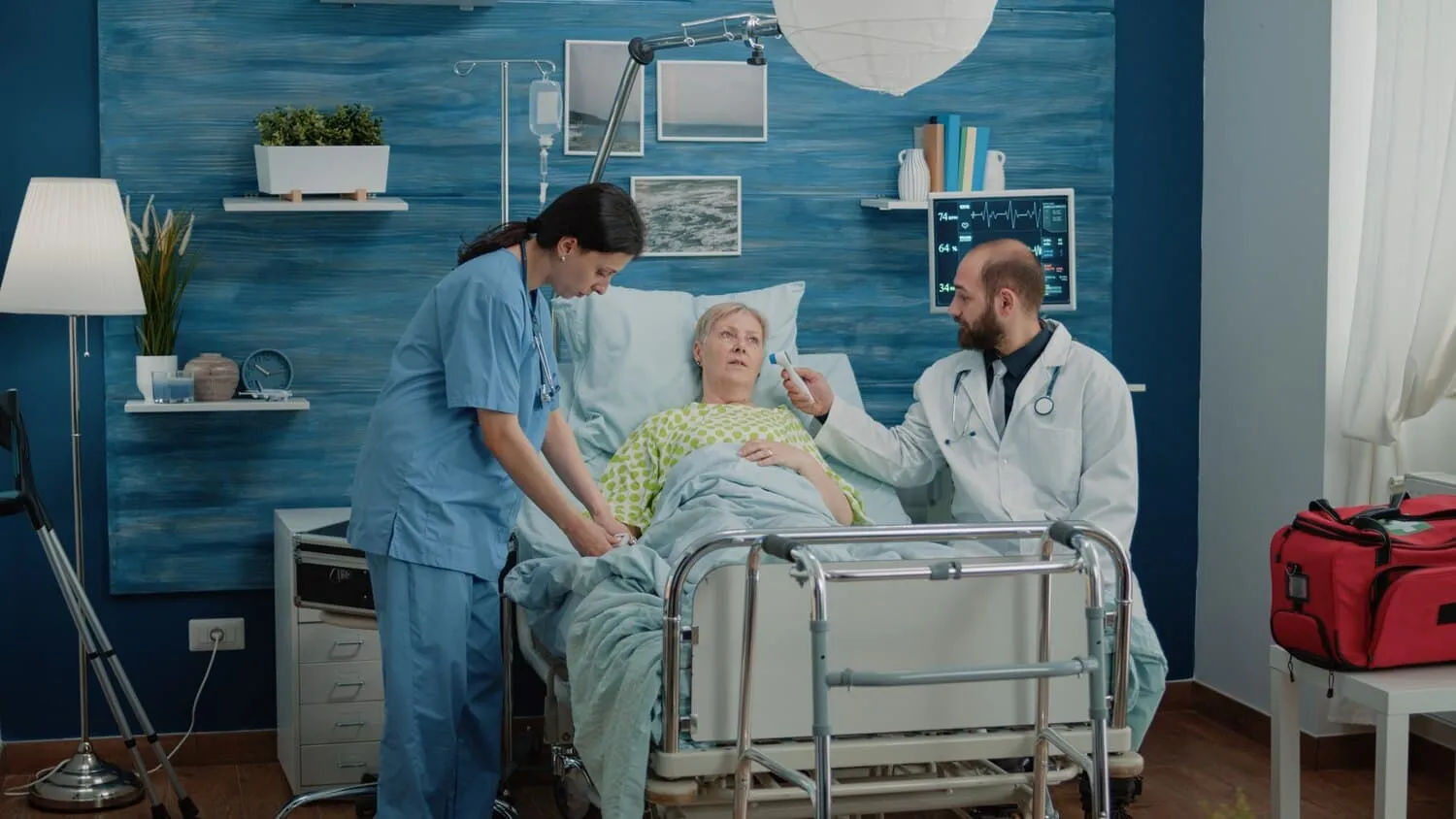
Hospice services are designed for individuals with life limiting illness when comfort and quality of life become central goals. Care focuses on managing symptoms while providing emotional, social, spiritual, and practical support. An interdisciplinary team may include physicians, nurses, aides, social workers, counselors, spiritual caregivers, and volunteers. Each professional contributes different expertise to the patient's care plan. The team works with patients and families to identify priorities and coordinate services. This comprehensive model recognizes that advanced illness affects the whole family and requires more than isolated medical treatment.
Comfort and Quality of Life
Hospice care emphasizes comfort rather than treatments that may no longer provide meaningful benefit. Symptoms such as pain, nausea, fatigue, anxiety, or breathing difficulties can interfere with daily life. Hospice professionals assess these concerns and develop strategies to improve comfort. Medication may be used when clinically appropriate, along with supportive measures. Quality of life also includes emotional and personal priorities. Patients may value family time, familiar routines, privacy, or remaining at home. Recognizing these priorities helps care remain focused on what matters most to each individual.
Services Available to Patients
Hospice programs may provide several forms of support depending on patient needs and the applicable care plan. Nursing professionals can monitor symptoms and provide clinical guidance. Personal care aides may assist with everyday activities. Social workers can address practical and emotional concerns, while counselors or spiritual caregivers may provide additional support. Medical equipment and related resources may also be arranged when appropriate. Families should ask individual hospice programs which services are available and how they are delivered. Understanding the available support can help families plan effectively.
Personal Care Assistance
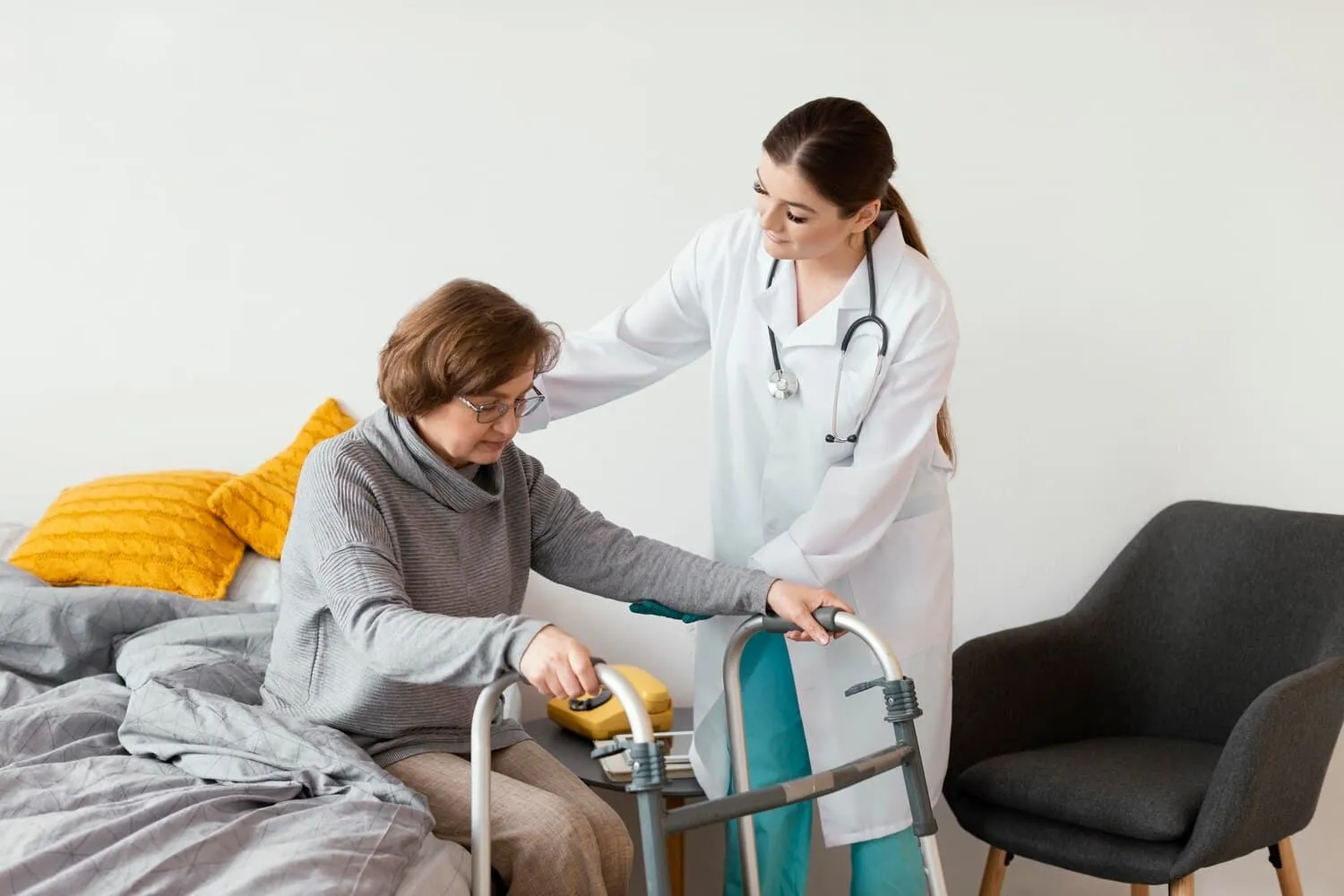
Patients may need help with bathing, dressing, grooming, repositioning, or other daily activities. Personal care assistance can make these tasks more manageable while preserving dignity and privacy. Hospice aides can support appropriate activities according to the care plan. Families may also receive guidance about providing assistance safely. Personal preferences should remain important during personal care. Patients should be treated respectfully and encouraged to participate in decisions whenever possible. Thoughtful assistance can help patients feel comfortable while reducing some of the physical burden placed on family caregivers.
Emotional and Spiritual Support
Emotional and spiritual concerns may become especially important during advanced illness. Patients may want to discuss fears, relationships, personal meaning, or unresolved concerns. Family members may also need opportunities to talk about grief and uncertainty. Hospice programs may offer counseling, social support, or spiritual care according to individual preferences. These services can complement physical symptom management. Emotional support can help patients feel heard while giving families space to process difficult experiences. A holistic approach recognizes that comfort includes more than physical symptom control.
Supporting Family Caregivers
Family caregivers play an important role in many hospice situations. They may help with medication routines, meals, personal care, communication, and emotional support. These responsibilities can become challenging over time. Hospice professionals can provide education and practical guidance to help caregivers understand their role. Families can also report concerns when the patient's needs change. Professional support can reduce uncertainty and make caregiving more manageable. Caregiver support is important because the well being of family members can influence the overall experience of providing care.
Practical Education
Hospice professionals can teach caregivers about symptom observation, personal care, medication routines, positioning, equipment, and communication. Education should be tailored to the patient's condition and the family's circumstances. Caregivers can ask questions and request clarification whenever necessary. Knowing what changes to watch for can help families respond appropriately. Education also helps caregivers recognize when professional assistance is needed. Practical knowledge can increase confidence while reducing unnecessary anxiety. Families should understand that seeking help is an important part of responsible caregiving rather than a sign of failure.
Home Based Hospice
Many patients prefer to remain at home because familiar surroundings can provide emotional reassurance. Home based hospice can bring professional support into the patient's usual environment while allowing family members to remain nearby. Services may include nursing care, personal assistance, symptom management, equipment support, and caregiver education. Families should discuss the patient's needs and available resources when considering home care. A suitable plan can help ensure that the home remains comfortable and safe. Home hospice can support meaningful family interaction while reducing unnecessary travel for patients with limited mobility.
Maintaining Familiar Routines
Familiar routines can provide a sense of stability during advanced illness. Patients may appreciate regular meal times, favorite music, familiar rooms, or visits from loved ones. Families can discuss which routines remain comfortable and practical. Hospice professionals can offer recommendations when physical limitations make certain activities more difficult. Maintaining familiar patterns when possible can help patients feel more secure. The goal is not to force routines but to preserve meaningful elements of daily life. Small familiar experiences can contribute to emotional comfort and help patients maintain a sense of normalcy.
Choosing Hospice Services in Short Hills
Families should gather information before selecting a hospice program. Questions may involve professional qualifications, available services, visit schedules, symptom management, caregiver education, equipment, communication procedures, and emotional support. Families may also want to understand how care is coordinated with the patient's physician and other healthcare professionals. Understanding these details can make expectations clearer. Patients should participate in the decision whenever possible. A suitable hospice program should provide services that align with the patient's needs and preferences while offering families dependable communication and support.
Questions Families Should Ask
Families can ask who will visit the patient, how often visits occur, how symptoms are managed, and who should be contacted after routine hours. They can also ask about personal care, counseling, spiritual support, equipment, medication arrangements, and bereavement resources. Understanding how the care plan changes when patient needs evolve is equally important. Asking questions before services begin can reduce uncertainty. Families should feel comfortable requesting explanations when information is unclear. Good communication creates a stronger foundation for coordinated care and informed decision making.
Conclusion
Hospice services can provide valuable support for families in Short Hills who are navigating advanced illness. Comfort focused symptom management, personal care, emotional guidance, caregiver education, and coordinated professional assistance can help patients experience greater dignity and quality of life. Families can prepare by discussing patient preferences, asking questions, and understanding available services. Personalized care allows support to change as needs evolve. A compassionate approach can also reduce caregiver uncertainty and help families focus on meaningful moments together. Life Hospice is dedicated to supporting patients and families through compassionate, respectful, and individualized hospice care centered on comfort and dignity.



























Sign in to leave a comment.