

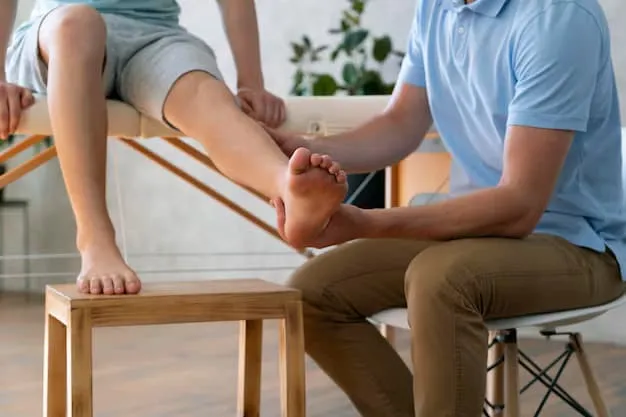
Foot drop is a condition that affects the ability to lift the front part of the foot while walking, often resulting in difficulty maintaining balance and performing everyday activities. It can develop due to nerve injuries, neurological disorders, muscle weakness, or other underlying medical conditions. The severity and progression of symptoms vary considerably among individuals. Understanding the causes, identifying early warning signs, and exploring appropriate treatment options are essential steps toward improving mobility, reducing discomfort, and supporting long term independence.Management of Foot Drop requires an individualized approach that considers the underlying cause, the severity of muscle weakness, and the person's functional abilities. Since no two individuals experience the condition in exactly the same way, treatment strategies must be adapted to their specific physical needs and lifestyle requirements. A comprehensive approach may involve medical evaluation, physical therapy, supportive devices, and targeted rehabilitation. Early intervention can help address mobility challenges, reduce the risk of falls, and support individuals in maintaining greater confidence during everyday movement.
Common Causes and Contributing Factors
Foot drop commonly develops when the nerves responsible for controlling the muscles that lift the foot become damaged or compressed. The peroneal nerve, which travels around the outer part of the knee, is particularly vulnerable to injury. Conditions such as peripheral neuropathy, spinal nerve compression, stroke, multiple sclerosis, and certain muscular disorders may also contribute to impaired foot movement. Identifying the specific cause is important because treatment recommendations often depend on whether the problem originates in the nerves, brain, spinal cord, or muscles.
Ankle Foot Orthoses and Supportive Devices
An ankle foot orthosis is a supportive device designed to help stabilize the ankle and maintain a functional foot position during walking. These braces can assist with toe clearance, reduce the risk of tripping, and provide additional support for individuals with limited dorsiflexion. Different designs offer varying levels of flexibility, stability, and control, allowing healthcare professionals to select a device according to individual requirements. Proper fitting is essential to improve comfort, support effective movement, and minimize pressure points that could contribute to skin irritation or other complications.
Functional Electrical Stimulation
Functional electrical stimulation is a treatment option that uses controlled electrical impulses to activate selected nerves and muscles during movement. For certain individuals with foot drop, this technology can stimulate muscles involved in lifting the foot during the walking cycle. Devices are typically designed to detect movement or provide stimulation at specific stages of walking. Suitability depends on the cause of foot drop, the condition of the peripheral nerves, and the individual's functional abilities. A qualified clinician can assess whether this approach may complement other rehabilitation strategies and supportive interventions.
Setting Realistic Rehabilitation Goals
Rehabilitation goals should reflect the individual's physical abilities, lifestyle, and personal priorities. Some individuals may aim to walk independently, while others may focus on improving balance, reducing fatigue, or completing household activities more comfortably. Short term goals can include increasing ankle mobility, improving toe clearance, or developing safer walking techniques. Long term objectives may involve returning to recreational activities or improving independence in daily routines. Establishing achievable milestones can help individuals recognize functional improvements, maintain motivation, and participate more actively in their rehabilitation process.
Emotional Wellbeing and Lifestyle Adaptation
Foot drop can affect emotional wellbeing, particularly when mobility challenges interfere with social participation, employment, or recreational activities. Concerns about falling, dependence on others, or changes in physical abilities may influence confidence and motivation. Support from family members, rehabilitation professionals, and peer groups can help individuals adapt to these challenges. Maintaining suitable physical activity, participating in accessible social activities, and communicating concerns during healthcare appointments may support emotional wellbeing. A comprehensive rehabilitation plan should recognize the importance of psychological and social factors alongside physical recovery.
When Additional Medical Intervention May Be Needed
Some cases of foot drop improve with conservative treatment, while others require additional medical intervention based on the underlying cause and the extent of nerve damage. When symptoms persist, worsen, or significantly interfere with everyday activities, healthcare professionals may recommend further investigations or specialist assessment. In selected cases, surgical procedures may be considered to address nerve compression, repair certain injuries, or improve foot positioning. The suitability of any intervention depends on individual clinical findings, expected benefits, potential risks, and the person's overall health and functional goals.
Understanding Surgical and Specialist Treatment
Surgical treatment may be considered when a clearly identified structural problem is contributing to foot drop and other interventions have not provided sufficient improvement. Depending on the cause, procedures may involve relieving pressure on a nerve, repairing damaged structures, or transferring a tendon to support foot movement. Not every individual is a suitable candidate for surgery, and outcomes can vary. Specialist assessment helps establish whether a procedure is appropriate and what recovery may involve. Rehabilitation after surgery is often important for restoring functional movement and adapting to changes in muscle mechanics.
Conclusion
Individualized treatment, consistent rehabilitation, and appropriate mobility support can play an important role in helping individuals manage the challenges associated with foot drop. Ler Magazine highlights the value of understanding the underlying cause, assessing functional limitations, and selecting suitable interventions based on each person's needs. Physical therapy, supportive orthoses, electrical stimulation, and practical lifestyle adjustments may contribute to improved mobility and greater independence. With professional guidance, realistic rehabilitation goals, and regular monitoring, individuals can work toward safer movement, better daily functioning, and improved quality of life while adapting to their specific circumstances.


























Sign in to leave a comment.