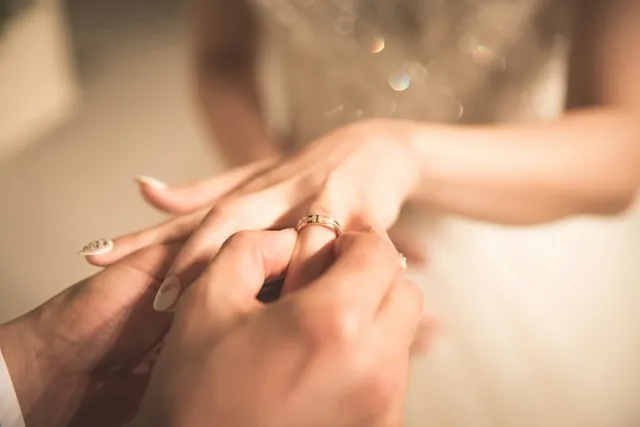

Shopping for an engagement ring can feel overwhelming. With endless choices of diamond cuts, band styles, and precious metals, it is easy to get lost in technical jargon. Whether you are searching with your partner or preparing a surprise proposal, focusing on key design fundamentals will help you choose a ring that feels timeless and personal.
1. Finding the Right Center Stone Cut
The shape of the center stone sets the overall tone for the ring's design. While classic round brilliant cuts remain a popular choice due to their maximum light reflection, modern jewelry design offers several distinct shapes:
- Oval and Marquise Cuts: These elongated shapes create an elegant look on the finger and often appear visually larger than round stones of the same carat weight.
- Emerald and Radiant Cuts: Characterized by rectangular silhouettes, emerald cuts offer a sophisticated "hall-of-mirrors" effect, while radiant cuts provide intense sparkle.
- Cushion Cuts: Featuring rounded corners, cushion cuts combine a vintage aesthetic with modern brilliance.
Understanding how different shapes interact with light helps narrow down what best fits your personal style.
2. Choosing a Setting Style
The setting holds the stone in place while defining the ring's architecture. Three classic settings dominate contemporary designs:
- Solitaire: A timeless choice featuring a single center stone on a plain or paved band. Solitaires focus all attention directly on the main diamond.
- Three-Stone (Trilogy): Symbolizing a couple’s past, present, and future, three-stone rings feature a center gem flanked by two side stones, such as pears, baguettes, or smaller rounds.
- Bezel & Halo: Bezel settings enclose the stone’s rim in thin metal for a sleek, protective feel. Halo settings surround the center stone with a border of smaller accent diamonds for added dimension.
Exploring a diverse selection of engagement rings allows you to see how subtle details—like hidden halos or cathedral shanks—transform a simple band into something unique.
3. Selecting the Metal Band
The metal choice impacts both the look and long-term maintenance of the piece:
- Yellow Gold (14k/18k): Offers a warm, traditional feel that complements both vintage and modern settings.
- White Gold & Platinum: Platinum is naturally hypoallergenic and extremely durable, while white gold provides a similar cool-toned look at a lower weight and price point.
- Rose Gold: Provides a romantic, blush-toned alternative that pairs beautifully with unique stone cuts.
4. Prioritizing Quality Standards
Beyond style, evaluating stone quality ensures long-term value. Industry professionals assess diamonds using four basic metrics: Cut, Color, Clarity, and Carat weight.
According to guidelines published by the Gemological Institute of America (GIA), cut quality has the greatest impact on a diamond’s overall brightness and fire. A well-cut stone reflects light effectively, making it appear brighter regardless of its size.
The ideal engagement ring balances personal taste, comfort, and quality craftsmanship. Rather than following short-lived trends, focus on choosing a stone shape and setting combination that feels like a natural extension of your personal aesthetic. Take your time comparing settings, testing different band widths, and prioritizing balance over sheer carat size.

























Sign in to leave a comment.