

Sports place considerable stress on the feet, especially during sprinting, jumping, and repeated training. Each time you sprint or jump, you slam many times your own body weight down on tiny bones and fragile tendons. Knowing the basics of athlete’s foot injury treatment in Taunton can save you from spending your whole season on the sidelines. If you know how to make these adjustments early, you won’t have to come back too soon and get hurt again.
In this context, the focus is on structural foot injuries rather than fungal infections. This is all about the real structural damage that comes from hard training, tough competition and sudden violent movements. These problems often start as a little nagging twinge that is totally ignored until it prevents you from walking at all. The aim is to catch them before they escalate into something worse.
Plantar fasciitis is one of the most common foot complaints among runners and recreational athletes. Usually, the second your foot hits the ground in the morning, it feels like someone is stabbing you in the heel. It’s what happens when the thick, rubbery band that runs under your foot gets totally overloaded and pissed off. The only thing that usually helps to calm down the fire is to rest it in the early days.
Achilles tendinitis is another common problem for people who perform repeated jumping or uphill running. You’ll usually notice it as a deep, tight stiffness just above your heel that can make those first few steps feel incredibly clumsy. To push through this particular pain is not a good idea, as a stressed tendon can snap completely. This is a stubborn injury and takes a lot of patience.
Stress fractures can be particularly difficult to recognise because they often develop gradually. These tiny microscopic cracks are usually found in the front foot bones due to the repeated pounding on hard pavement. The longer you run, the sharper the pain, but strangely enough, it goes away the second you sit down. If a stress fracture is ignored, it will eventually become a fully broken bone.
Getting an accurate diagnosis is much safer than trying to guess the cause of foot pain. A good doctor will want to hear about your recent mileage jumps, the age of your running shoes, and your workout surfaces. Seeking professional athlete foot injury treatment in Taunton helps to pinpoint exactly why the foot broke down in the first place. The only way to make sure you don’t find yourself back in the clinic next month is to fix the root cause.
The way your feet handle each step is influenced by your individual physical structure. If you have very flat feet, super high arches, or even just tight calf muscles, the way your weight is distributed changes. A smart sports doctor will actually watch you walk down the hall to see if you have a mechanical quirk. Correcting a bad walking habit takes a huge amount of pressure off your overworked joints.
Athletes sometimes try to push through pain, but certain symptoms should not be ignored. But a massive red flag is when an ache means you limp around for more than a week or wake up at night. Don’t be that guy, because what often turns a two-week recovery into a miserable two-month ordeal in a walking boot is playing the tough guy. Part of being an athlete is listening to your body.
Trying to diagnose a foot injury without professional guidance can delay proper treatment. Please stop trying to diagnose your foot on the internet, and don’t take medical advice from your teammates in the locker room. There are dozens of reasons why your feet hurt, and if you’re treating a bone injury like a tendon injury, you’re going to make things a lot worse. A professional diagnosis will save you weeks of wasted time on useless home remedies. Get the right answer so you can start doing the right rehab exercises.
Fortunately, many sports-related foot injuries respond well to conservative treatment. Just changing your exercise routine, icing the sore spots and doing targeted physical therapy does absolute wonders. Sometimes, all it takes is to switch out your flimsy trainers for a pair that has rigid arch support to solve the entire problem. Walking boots are also great for helping you rest a stubborn bone.
For injuries that do not respond to basic care, additional treatment options may be considered. Advanced athlete foot injury treatment in Taunton may involve such things as shockwave therapy to manually jump-start your body’s healing process. It’s essentially a way of making loud acoustic pulses get the dead tissue to repair itself. Your doctor will tell you whether you’re a suitable candidate for these high-tech sessions.
Sleep and proper nutrition are often overlooked during sports injury recovery. Your bones and tendons literally rebuild themselves while you are sleeping, but they need plenty of protein and calcium to do the job. Constantly under-eating or sleeping four hours a night basically invites a stress fracture, a coach says. Take your rest days as seriously as your heavy training days.
Footwear remains important throughout the rehabilitation process. Don’t slide back into your old, broken-in running shoes just because they feel comfortable. Those collapsed foam soles offer zero support and will instantly undo all your healing progress. Bring your favourite workout shoes to your doctor so they can see the tread wear themselves.
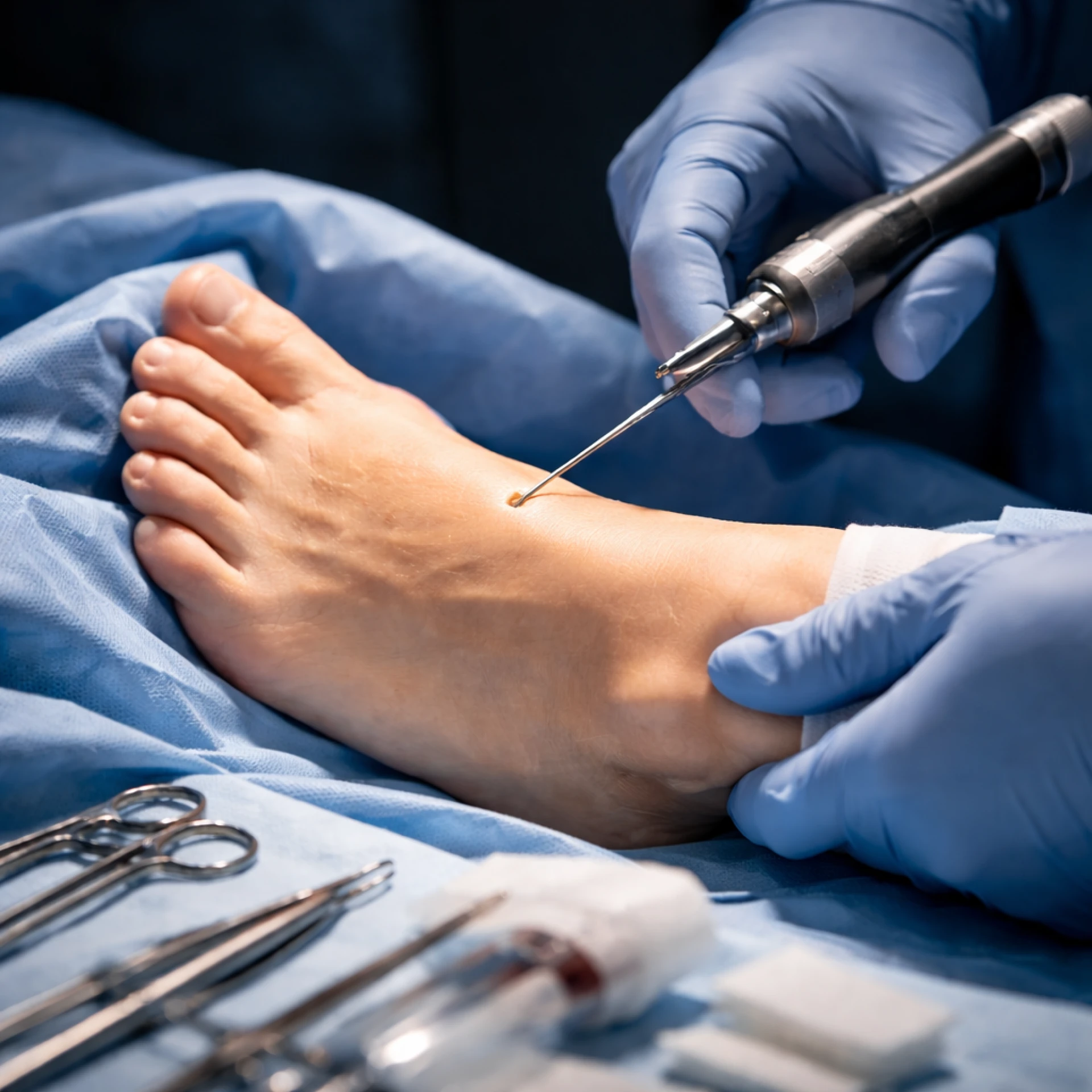
Surgery is generally considered only when more conservative approaches are not sufficient or when the injury is severe. Most sports doctors want to try every single physical therapy option before they even think about making an incision. If you do find yourself needing an operation, just be brutally honest with yourself about the recovery timeline. One of the biggest struggles during those slow months of rehab is staying mentally positive.
Returning to sport should depend on your recovery rather than a fixed date on the calendar. Before you even set foot in a real game, you have to show you can walk, jog and jump without wincing. The easiest way to end up back in a walking cast is to do too much too fast. By taking it slow, you are guaranteed that your foot can actually handle the heavy impact again.
Conclusion
Foot injuries can be frustrating for anyone who enjoys an active lifestyle, but they do not have to end your season. But if you manage it well, a nagging ache need not spoil your entire competitive season. Get a proper diagnosis, do your boring rehab exercises, and stop wearing terrible shoes. Protect your feet now, and you’ll be able to keep running hard for years to come.


























Sign in to leave a comment.