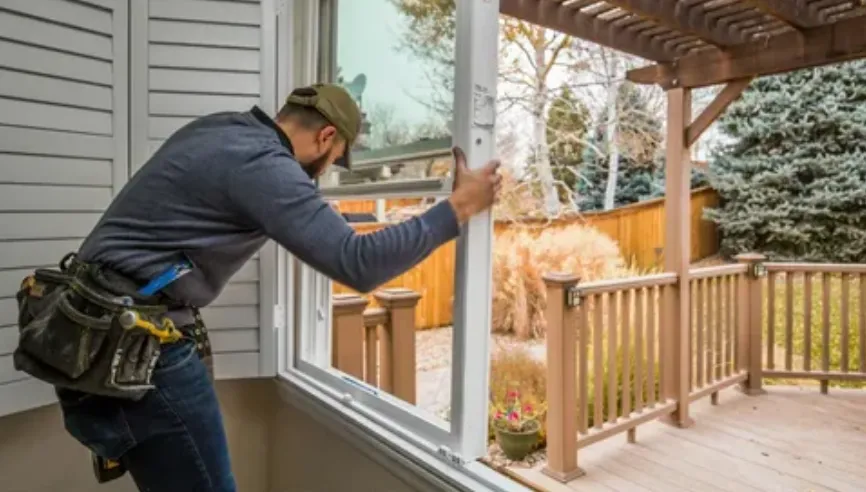

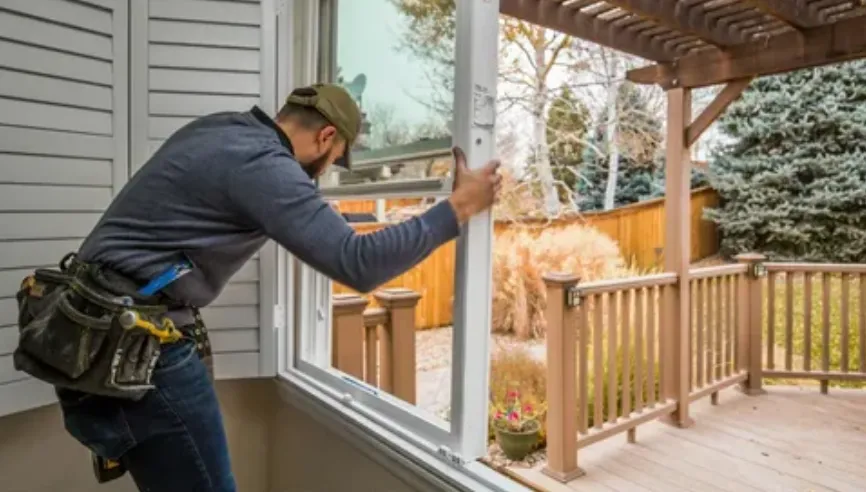
Understanding When Windows May Need Attention
Windows affect more than the appearance of a home. They help protect the interior from outdoor weather, provide natural light and ventilation, and contribute to indoor comfort. As windows age, however, frames, seals, glass, and operating components can gradually deteriorate.
A window that is difficult to open does not automatically require replacement. In some situations, window repair may address damaged hardware, minor sealing problems, or another localized issue. Replacement becomes more relevant when deterioration is extensive, problems repeatedly return, or existing windows no longer meet the property's needs.
Understanding the condition of the entire window helps homeowners avoid replacing units unnecessarily while also recognizing when small repairs are no longer solving the underlying issue.
Key Factors to Consider Before Replacing Windows
Several factors should be evaluated before beginning a replacement project.
Start with the condition of the existing frame. Moisture damage, rot, movement, or structural deterioration can affect the type of replacement method that is appropriate.
Glass performance is another consideration. Older windows may have single pane glass, damaged seals, or other limitations that affect indoor comfort. Condensation between panes can indicate failure of the sealed glass unit in certain window designs.
Homeowners should also consider:
- Window size and opening dimensions
- Frame condition
- Window style
- Ventilation requirements
- Ease of operation
- Maintenance needs
- Glass and glazing options
- Exterior appearance
- Interior trim condition
- Local installation requirements
When researching Window Replacement Services in Providence, RI, homeowners should focus on the condition of their property and the requirements of each opening rather than selecting windows based only on appearance.
Choosing Between Repair and Replacement
Repair and replacement serve different purposes.
Repair may make sense when the window is generally sound but has a specific problem. Examples include damaged hardware, worn weatherstripping, or certain operational issues. The practicality of a repair depends on the window's design, age, condition, and availability of compatible components.
Replacement may be considered when windows have significant frame deterioration, recurring problems, extensive damage, or poor operation that cannot be corrected reasonably.
A premium window replacement project may involve upgraded materials, glazing packages, hardware, or design features. However, a higher priced product does not automatically make it appropriate for every property. Installation quality, correct sizing, climate suitability, and compatibility with the building are also important.
The goal should be to choose a solution that addresses the actual condition of the window.
Practical Tips for Planning Window Installation
Careful planning can reduce unexpected issues during window installation.
First, determine whether every window needs attention. Different sides of a home can experience different levels of sun, wind, moisture, and weather exposure, so deterioration may not be uniform.
Measure carefully, but remember that replacement sizing can involve more than measuring the visible glass. The complete opening, frame configuration, and chosen installation method can influence the required dimensions.
Ask what the installation process includes. Homeowners should understand whether existing frames, interior trim, exterior components, or other materials will remain or be replaced.
Also consider how the windows will be used. A window that provides ventilation in a frequently occupied room may require different features from a fixed window installed mainly for natural light.
Common Window Replacement Mistakes to Avoid
One common mistake is choosing replacement windows based entirely on price. Product cost matters, but poor sizing or installation can undermine the performance of otherwise suitable windows.
Another mistake is assuming that every draft comes directly through the glass. Air leakage can occur around frames, trim, or nearby construction joints. Identifying the source before replacement helps ensure the project addresses the correct problem.
Homeowners should also avoid overlooking water damage around existing windows. Installing a new unit without addressing moisture related deterioration can allow underlying problems to continue.
Do not assume every old window must automatically be replaced. Some may still be functional or repairable.
Finally, avoid focusing exclusively on the window unit. Proper flashing, sealing, insulation around the opening, and installation details can influence long term performance.
Practical Window Replacement Checklist
Before arranging Window Replacement Services in Providence, RI, homeowners can use a simple checklist to organize the project.
Check the following:
- Inspect frames for rot, cracks, or visible deterioration.
- Test whether windows open, close, and lock correctly.
- Look for moisture or staining around window openings.
- Check for condensation between glass panes.
- Identify rooms where drafts or comfort problems occur.
- Determine whether repair has already been attempted.
- Review window styles and ventilation requirements.
- Consider maintenance needs for different frame materials.
- Ask what preparation and finishing work installation includes.
- Confirm how old windows and project debris will be handled.
- Review warranty information for both products and installation.
- Keep records of the windows replaced and the products used.
This information can make it easier to discuss the project clearly and compare proposed solutions based on the actual needs of the home.
Making an Informed Window Replacement Decision
Window replacement should begin with understanding why the existing windows are causing problems. Some issues can be addressed through repair, while extensive deterioration or repeated failures may make replacement more practical.
Homeowners should consider frame condition, glass performance, operation, moisture concerns, installation requirements, and long term maintenance before making a decision.
A carefully planned project focuses on more than purchasing new windows. Correct product selection, accurate sizing, proper installation, and attention to the surrounding opening all contribute to a more reliable result.





















Sign in to leave a comment.