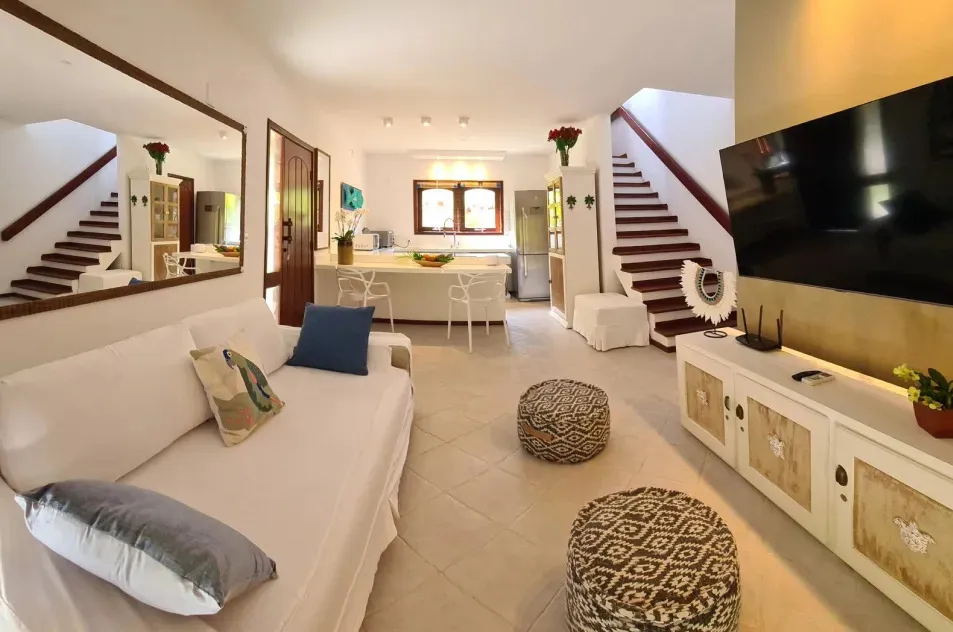

Dubai's residential market has been busy for a while now, with more people buying homes to actually live in rather than to resell quickly. That shift changes what people expect from their interiors too. A space is no longer just an investment, it is where daily life happens, and that raises the bar for what good design needs to deliver.
For anyone new to the process, the number of decisions involved can feel overwhelming. Layout, lighting, materials, furniture, joinery and finishing details all need to work together, and getting even one of them wrong can throw off the balance of an entire room. This guide walks through what a design studio actually does at each stage, so you know what to expect and what questions to ask along the way.
What a Studio Actually Does, Beyond Decoration
A lot of people assume hiring a designer means picking furniture and paint colours from a catalogue. The real work starts earlier than that. Space planning comes first, working out how rooms relate to each other and how you actually move through your home during a normal day. Only after that groundwork is done does material selection and furniture planning begin.
A top interior design studio treats these stages as connected, not separate. A beautiful sofa placed in a poorly planned room will never look right, no matter how much it cost.
Residential Projects Have Their Own Rhythm
Homes are used differently at 7am than at 9pm, and a well planned space accounts for that. Morning light through a kitchen window, evening lighting in a living room, storage that keeps daily clutter out of sight, these details rarely show up in a single rendered image but they shape how a home feels to actually live in.
Interior design studios that specialise in residential work tend to understand this rhythm well, because they have designed around it repeatedly across villas, apartments and family homes.
Commercial Spaces Answer to a Different Brief
Offices, retail spaces and hospitality venues are judged on a different measure entirely, how quickly they communicate who a brand is and how comfortably staff and customers can move through the space. A commercial interior design studio has to balance brand storytelling with practical staff workflow, something that reduces friction for the people who work there every day while still making a strong first impression on anyone walking through the door.
The technical requirements differ too. Foot traffic patterns, staff workflow and material durability under heavy daily use all shape the brief in ways that a home renovation simply does not need to consider.
Materials Are Where the Details Live
Once the plan is set, materials carry most of the emotional weight of a finished space. Natural stone, quality timber and well chosen textiles age with character rather than looking tired after a year or two. A studio that understands sourcing, and which materials genuinely hold up under daily use, tends to produce spaces that feel considered years after the final photograph was taken.
This is the part of the process that separates a space that looks good online from one that still feels good to live in over time. A top interior design studio tends to repeat the same trusted suppliers project after project, rather than sourcing blind for every new brief.
Choosing the Right Fit for Your Project
Not every studio is the right match for every brief. Some firms specialise heavily in residential villas, others focus on commercial fit outs, and a few handle both well. Before committing, ask to see completed work in the category closest to your own project, whether that is a family villa, a retail unit or a boutique wellness space, and pay attention to how clearly the studio explains its process from first sketch to final handover.
What to Expect Once Work Begins
Once a studio is chosen, the early weeks are usually spent on measurements, concept development and the first round of 3D renders, giving you a clear picture of the finished space before anything is built. This stage is your best opportunity to request changes cheaply, since adjusting a render costs nothing compared with reworking a finished room.
A top interior design studio should be able to answer that question without hesitation, because it is the same process they have already run successfully many times before. From there, the project moves into procurement and construction, with regular updates so you always know exactly where things stand.
By the time the last piece of furniture is placed and the final snag list is closed out, the goal is a home that needed no explanation, one that simply feels right the moment you walk through the door. Getting there takes a clear process, an experienced team and a willingness to plan properly before construction ever begins.























Sign in to leave a comment.