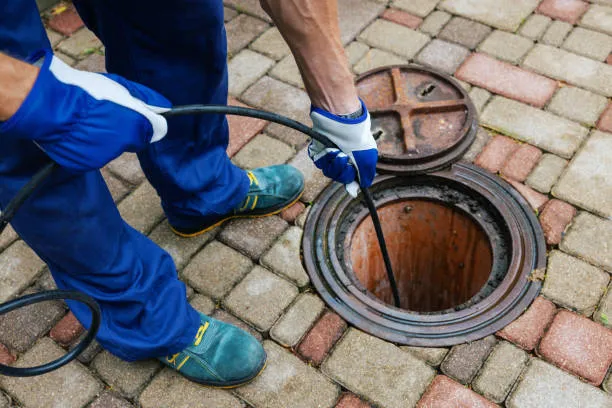

Drain problems rarely begin with a dramatic sewer backup. More often, the first signs are easy to overlook: a bathroom sink that drains slowly, a toilet that gurgles, or an unpleasant smell coming from a floor drain. In Toronto homes, these seemingly minor symptoms can sometimes point to a larger issue within the property's drainage or sewer system.
Regular drains and sewer services can help homeowners identify developing problems before they become expensive emergencies. Proper maintenance can improve drainage performance, reduce recurring blockages, and help protect basements and lower-level plumbing from wastewater backups.
Understanding what causes these problems, when professional cleaning is appropriate, and when a sewer inspection may be necessary can help Toronto homeowners make better plumbing decisions.
Why Drain and Sewer Maintenance Matters in Toronto
Toronto has a diverse housing stock, ranging from modern condominiums and newly constructed homes to older detached houses, semis, and century-old properties. The age and condition of a property's plumbing infrastructure can have a significant effect on drainage performance.
Older sewer connections may contain aging clay, cast-iron, or other pipe materials that have deteriorated over time. Joints can separate, pipes can crack, and previous repairs may eventually develop problems. Newer homes are not immune to drainage issues either. Grease, food debris, excessive paper products, foreign objects, and tree roots can all contribute to blockages.
Seasonal weather can also influence drainage systems. Toronto's heavy rainfall events can put additional pressure on drainage infrastructure, while freezing temperatures can create challenges for vulnerable plumbing components.
For these reasons, drain maintenance should not simply mean reacting when a pipe becomes completely blocked. It should also involve recognizing changes in drainage behavior and addressing recurring problems before they escalate.
What Causes Clogged Drains?
Different drains tend to develop different types of blockages depending on how they are used.
Kitchen Drains
Kitchen sinks commonly collect grease, cooking oils, food particles, and soap residue. Pouring fats and oils down the drain is particularly problematic because they can cool inside the pipe and adhere to its walls.
A small amount of buildup may not cause an immediate problem. Over time, however, deposits can narrow the pipe opening and trap additional debris, eventually creating a stubborn blockage.
Bathroom Drains
Hair, soap residue, toothpaste, and personal-care products are frequent contributors to bathroom drain problems.
A slow shower or bathroom sink does not automatically mean the plumbing system has a serious defect. However, if the same drain repeatedly becomes slow shortly after cleaning, there may be a deeper restriction that requires further investigation.
Main Drain and Sewer Problems
Problems affecting a main drain or sewer line deserve more attention because they can affect several fixtures throughout the property.
If multiple drains begin slowing down at approximately the same time, or toilets start gurgling when sinks, tubs, or washing machines are used, the restriction may be located farther downstream.
That distinction matters. Cleaning a single sink may temporarily improve the symptom without addressing an obstruction or defect in the property's main drainage system.
How Can You Tell When a Drain Problem Is Serious?
Homeowners should pay attention to changes rather than waiting for a complete failure.
Common warning signs include:
- Multiple slow drains throughout the home
- Water backing up through a basement floor drain
- Toilets that repeatedly gurgle or drain slowly
- Persistent sewage odors
- Water returning after a drain has been cleaned
- Unusual sounds coming from pipes
- Repeated blockages in the same location
- Standing water around floor drains
- Drain problems occurring when other plumbing fixtures are used
One isolated slow drain may simply need cleaning. Several affected fixtures, however, can indicate a problem with the main drainage or sewer line.
What Does Professional Drain Cleaning Involve?
Professional drain cleaning is more than simply inserting equipment into a pipe and attempting to push the blockage farther downstream.
A qualified technician should first consider the likely location and nature of the restriction. The technician may ask when the problem started, which fixtures are affected, whether previous cleaning has been attempted, and whether the property has experienced similar problems before.
Different situations may call for different equipment.
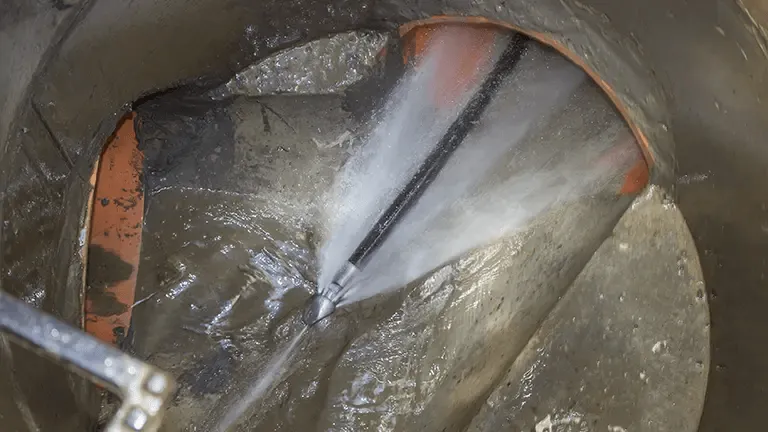
Mechanical drain cleaning equipment can remove many physical obstructions. Hydro jetting uses pressurized water to clean certain types of deposits and buildup from suitable pipes. Camera inspection can provide a view inside the line when the cause of a recurring problem is unclear.
For pipes affected by mineral deposits, scale, or hardened buildup, drain descaling may be an appropriate solution. Descaling is intended to remove accumulated material from the interior surface of the pipe and can help restore usable flow where mineral or scale deposits have significantly restricted the opening.
However, the condition of the pipe should be considered before selecting an aggressive cleaning method. Older or structurally compromised pipes may require inspection before descaling, hydro jetting, or other intensive procedures are performed.
When Is Hydro Jetting Appropriate?
Hydro jetting can be useful when a pipe contains significant internal buildup that conventional drain cleaning methods cannot adequately remove.
Instead of simply creating a narrow passage through a blockage, pressurized water can clean deposits from portions of the pipe's interior walls.
However, hydro jetting should not automatically be considered the solution for every sewer problem.
If an older pipe is cracked, severely deteriorated, collapsed, or structurally compromised, aggressive cleaning will not correct the underlying defect. In those circumstances, inspection and professional assessment should come before deciding on a cleaning method.
The appropriate approach depends on the pipe material, condition, accessibility, blockage type, and severity of the problem.
Why Sewer Camera Inspection Can Be Valuable
A sewer camera inspection can be particularly useful when a blockage keeps returning or when there are signs of a larger underground problem.
A small inspection camera can be guided through accessible sections of the sewer line, allowing a technician to look for conditions such as:
- Tree-root intrusion
- Cracked or broken pipe sections
- Heavy scale buildup
- Misaligned joints
- Collapsed or deformed piping
- Foreign objects
- Significant sediment accumulation
Camera inspection can help distinguish between a cleaning problem and a structural problem.
For a homeowner considering major sewer work, that distinction is important. Replacing or repairing an underground sewer line is a much larger decision than arranging routine drain cleaning. Having visual information about the pipe's condition can make that decision more informed.
Tree Roots and Toronto Sewer Lines
Trees can contribute to sewer problems when roots find small cracks, openings, or separated joints in underground piping.
Roots naturally seek moisture, and a damaged sewer connection can provide access to water. Once roots enter a pipe, they can trap paper and other debris, gradually restricting water flow.
Root-related blockages often have a recurring pattern. A sewer line may be cleaned successfully, only for the blockage to return later.
When this happens, repeatedly cleaning the line without investigating why the blockage returns may provide only temporary relief.
A camera inspection can help determine whether roots are present and how extensively the pipe has been affected.
Toronto Winters and Drainage Systems
Toronto's winter temperatures can create additional challenges for plumbing systems, although not every winter drain problem is caused by frozen pipes.
Poor insulation, exposed plumbing, inadequate drainage around a property, and existing pipe defects can increase vulnerability during periods of severe cold.
Homeowners should pay particular attention to basements, exterior plumbing connections, and other areas where pipes may be exposed to lower temperatures.
Preventive maintenance before winter can also provide an opportunity to address minor drainage issues rather than discovering them during a freezing-weather emergency.
What Should You Do During a Sewer Backup?
A sewer backup should be treated as more than an ordinary clogged drain.
If wastewater enters the home, avoid unnecessary contact with it because contaminated water can contain harmful microorganisms. Keep children and pets away from the affected area and avoid using plumbing fixtures if doing so appears to increase the backup.
If electrical outlets, appliances, or other electrical equipment may have been exposed to water, electrical safety should be considered before entering the affected area.
Once the immediate situation is safe, a qualified plumbing professional can determine whether the problem originates within the property's private sewer line, the building's drainage system, or another part of the plumbing network.
Homeowners may also want to document water damage and affected property for insurance purposes before cleanup and repairs begin.
How Often Should Drains Be Cleaned?
There is no universal drain-cleaning schedule that applies to every Toronto property.
A household with a history of recurring blockages may require more frequent inspection or maintenance than a home with consistently good drainage.
The appropriate maintenance approach can depend on the property's age, pipe materials, previous repairs, number of occupants, drainage history, and signs of recurring buildup.
Preventive cleaning can be useful in certain circumstances, but routine service should not replace investigating the reason a drain repeatedly becomes blocked.
If the same drain requires frequent cleaning to remain functional, the recurring blockage itself is valuable diagnostic information.
Drain Cleaning vs. Sewer Repair
One of the most important decisions for homeowners is determining whether they need cleaning or actual pipe repair.
Drain cleaning is generally intended to remove an obstruction and restore normal water flow.
Sewer repair addresses a physical problem with the pipe itself, such as a crack, collapsed section, severe displacement, or significant root intrusion.
Sewer replacement may become necessary when a line has extensive structural deterioration and repair is no longer a practical long-term solution.
These services should not be treated as interchangeable. Cleaning a structurally damaged pipe may restore flow temporarily, but it does not necessarily correct the underlying defect.
That is why recurring drainage problems should be evaluated based on both the symptoms and the condition of the plumbing infrastructure.
How Toronto Homeowners Can Reduce Drain Problems
Simple household habits can make a meaningful difference.
Avoid putting cooking grease, oils, coffee grounds, wipes, and other unsuitable materials down household drains. Use appropriate drain screens in showers and sinks to catch hair and debris before they enter the plumbing system.
Pay attention to changes in drainage speed. A drain that gradually becomes slower is providing useful information before a complete blockage occurs.
Homeowners should also avoid relying too heavily on chemical drain cleaners. Some products may temporarily open a blockage, but they do not necessarily address the reason the blockage occurred.
For older Toronto properties, understanding the condition of the main sewer line can also be worthwhile, especially when purchasing a home or dealing with repeated drainage problems.
When Should You Call a Plumber in Toronto?
Professional assistance is appropriate when a drain problem is persistent, recurring, widespread, or associated with wastewater.
You should consider contacting a qualified plumber when:
- Several fixtures are draining slowly
- A sewer backup occurs
- A blockage repeatedly returns
- Persistent sewage odors develop
- You suspect tree-root intrusion
- A basement floor drain backs up
- Plumbing fixtures produce unusual gurgling sounds
- You need to determine whether a sewer line requires repair
- A drain problem continues despite reasonable maintenance
Early diagnosis can provide more options for addressing a plumbing problem and may help prevent a relatively manageable issue from developing into a major repair.
A Practical Drain and Sewer Maintenance Checklist
Toronto homeowners can use the following checklist as a simple reference.
Monthly
Check sinks, showers, toilets, and floor drains for changes in drainage speed, unusual sounds, or unpleasant odors.
Seasonally
Inspect areas vulnerable to moisture, freezing, or drainage problems, particularly around basements and exterior plumbing connections.
After a Recurring Clog
Do not automatically assume another basic cleaning is the answer. Consider whether the blockage could be related to roots, scale, pipe deterioration, buildup, or another underlying issue.
Before Major Sewer Work
Ask whether a camera inspection can document the condition of the affected pipe. Having a clearer understanding of the problem can help when comparing repair options.
During a Backup
Limit water use, keep people away from contaminated water, consider electrical hazards, document visible damage, and arrange for professional assessment.
Final Thoughts
Drain and sewer maintenance is ultimately about understanding the difference between a temporary blockage and a developing plumbing problem.
A slow drain may need nothing more than appropriate cleaning. A recurring blockage, multiple affected fixtures, sewage odor, or basement backup can tell a very different story.
For Toronto homeowners, the most sensible approach is to respond to warning signs early, use the appropriate cleaning method for the situation, and investigate recurring problems instead of repeatedly treating the symptom.
Good maintenance does not mean scheduling unnecessary plumbing work. It means understanding what your drainage system is telling you and making informed decisions before a manageable issue becomes a major repair.



























Sign in to leave a comment.