ABA Autism Therapy for Building Independence in Daily Routines

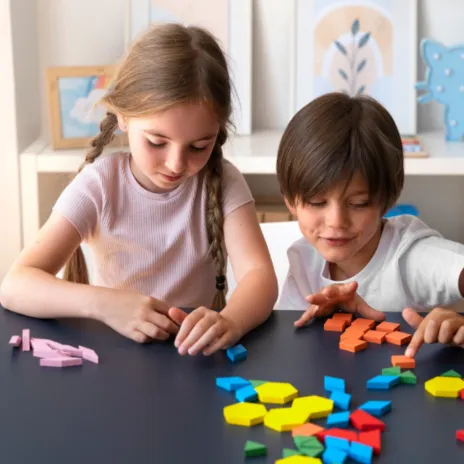
Learning to manage everyday routines is an important part of growing up. Simple tasks such as getting dressed, brushing teeth, preparing a snack, cleaning up toys, or following a morning routine can help children become more confident and independent.
For children with autism, these tasks may sometimes be challenging. A child may need extra support with communication, sequencing steps, staying focused, handling changes, or understanding what is expected. This is where ABA autism therapy can play an important role.

Applied Behavior Analysis (ABA) uses structured, individualized strategies to help children learn useful skills through practice, reinforcement, and positive support. When daily living goals are included in a child's program, therapy can focus on skills that have a direct impact on everyday life.
Why Independence Matters for Children With Autism
Independence does not mean that a child must complete every task without help right away. It means gradually developing the skills needed to participate more actively in daily activities.
A child who learns to put on their shoes, organize a backpack, or ask for help when needed may gain more than just a practical skill. These achievements can build confidence and reduce frustration.
Greater independence can also make family routines easier. When a child understands what to do and can complete more steps independently, parents and caregivers may spend less time providing repeated instructions or physical assistance.
Every child develops at a different pace, so independence should be measured by individual progress rather than comparison with other children.
How ABA therapy for autism Supports Daily Living Skills
One of the strengths of ABA is that larger skills can be broken into smaller, manageable steps.
For example, getting dressed may seem like one simple activity, but it actually involves several actions:
- Choosing appropriate clothing
- Picking up the clothing
- Putting on each item
- Adjusting the clothing
- Putting dirty clothes in the right place
A therapist can help a child learn these steps gradually. Instead of expecting the child to master the entire routine at once, the process can focus on one part at a time.
As the child becomes more comfortable, prompts can be reduced so they can complete more of the routine independently.
Teaching Through Consistent Practice
Children often learn everyday skills through repetition. Consistent practice gives them opportunities to understand what comes next and become more comfortable with a routine.
For example, a morning routine might include waking up, using the bathroom, getting dressed, eating breakfast, brushing teeth, and preparing for school.
A child may initially need reminders throughout the process. With regular practice and appropriate support, the child may eventually recognize the sequence and complete several steps with fewer prompts.
The goal is not simply to repeat a task. The goal is to help the child understand the routine well enough to use the skill in everyday situations.
Using Positive Reinforcement
Positive reinforcement can encourage children to continue practicing new skills.
When a child successfully completes a step, appropriate reinforcement can make the experience more rewarding. This might include verbal praise, access to a preferred activity, or another reward that is meaningful to the individual child.
For example, a child who independently puts their dishes in the sink might receive specific praise such as, “You put your plate away by yourself.”
Specific feedback helps the child understand exactly which behavior was successful.
Over time, the focus can shift from external rewards toward the natural benefits of completing the activity, such as feeling capable or participating more independently.
Breaking Difficult Tasks Into Smaller Steps
Some daily activities can feel overwhelming because they contain too many steps.
ABA-based teaching can make these activities easier to understand by breaking them into smaller parts. This approach is sometimes called task analysis.
Consider handwashing. A child may need to learn how to:
- Turn on the water.
- Wet their hands.
- Use soap.
- Rub their hands together.
- Rinse.
- Turn off the water.
- Dry their hands.
Instead of treating handwashing as one complicated task, each step can be taught and practiced as part of the complete routine.
This same approach can be used for brushing teeth, making a simple snack, packing a school bag, cleaning a room, or getting ready for bed.
Supporting Communication and Independence
Communication is closely connected to independence.
A child who can communicate what they need may be better able to participate in daily activities and ask for assistance when necessary.
For example, a child may learn to say or indicate:
“I need help.”
“I’m finished.”
“I want water.”
“Where are my shoes?”
These communication skills can reduce frustration and give children more control over everyday situations.
ABA autism therapy may incorporate communication goals alongside daily living skills so children can learn not only how to complete tasks but also how to communicate during those activities.
Helping Children Handle Changes in Routine
Daily life does not always follow the same schedule. A child may need to visit a new place, change plans, try a different food, or follow a different morning routine.

Unexpected changes can be difficult for some children with autism.
Therapy can help children gradually develop flexibility by practicing changes in a structured and supportive way. Visual schedules, advance warnings, choices, and consistent language can also help make transitions easier.
For example, instead of suddenly ending a preferred activity, a caregiver might give the child a clear warning that the activity will finish soon and explain what will happen next.
These strategies can help children become more comfortable with changes over time.
Why Family Involvement Matters
Skills learned during therapy are most useful when children can use them in their everyday environment.
Parents and caregivers can support progress by practicing the same skills at home. Consistent expectations can help children understand that a skill is not only used during therapy but is also part of daily life.
For example, if a child is learning to put their shoes away after coming home, family members can provide regular opportunities to practice that routine.
Parents do not need to turn every household activity into a therapy session. Everyday moments can naturally become learning opportunities.
Getting dressed, preparing breakfast, putting away toys, taking a bath, or getting ready for school can all provide opportunities to practice independence.
Choosing Meaningful Goals
Effective skill development should focus on goals that are useful to the child and family.
One child may benefit from learning to prepare a simple snack. Another may need support with toileting, communication, personal hygiene, or completing a bedtime routine.
Goals should reflect the child's current abilities, interests, challenges, and environment.
It is also important to recognize small improvements. A child who previously needed physical assistance but can now complete a task with a verbal reminder has made meaningful progress.
Independence develops gradually, and every new skill can become a foundation for the next one.
Building Skills That Transfer to Everyday Life
One important goal of therapy is helping children use learned skills outside of structured sessions.
A child may learn to complete a task with a therapist, but the real value comes when that skill can be used at home, school, community settings, and other familiar environments.
For this reason, practicing skills in different situations can be helpful.
A child learning to request an item, for example, may practice communication during meals, playtime, shopping trips, and other everyday activities. Using a skill across different settings can help make it more practical and meaningful.
What Parents Can Do at Home
Parents can support independence with simple, consistent strategies.
Start with one manageable goal rather than trying to change an entire routine at once. Give the child enough time to attempt the task before stepping in to help. Use clear and simple instructions, and provide praise when the child makes progress.
Visual schedules can also be useful for routines that involve multiple steps. Pictures or simple written instructions can show children what comes next and reduce the need for repeated verbal directions.
Most importantly, allow room for mistakes. Learning a new skill takes practice, and children may need several attempts before they become comfortable with a new routine.
The Long-Term Value of Independence
Daily living skills may seem small, but they can have a meaningful impact on a child's life.
Learning how to manage personal care, communicate needs, follow routines, complete household tasks, and handle everyday changes can help children participate more actively in their families and communities.
ABA-based therapy can provide structured support for developing these abilities while allowing goals to be adjusted as a child's needs change.
The focus should always remain on meaningful progress. Independence is not about doing everything alone. It is about giving children the skills, confidence, and support they need to take a more active role in their everyday lives.
Final Thoughts
Building independence takes time, patience, and consistent practice. With the right approach, everyday routines can become valuable opportunities for learning.
ABA autism therapy can help break challenging activities into achievable steps, reinforce successful behaviors, strengthen communication, and support children as they gradually take greater responsibility for daily tasks.
For families, the most meaningful progress may come from small moments—a child getting dressed with less help, asking for assistance when needed, cleaning up after an activity, or completing a familiar routine independently. Each of these steps can contribute to greater confidence and a stronger sense of independence.
FAQs
1. How does ABA intervention help with daily routines?
It can break daily tasks into smaller steps and help children practice skills such as dressing, brushing teeth, eating, cleaning up, and following schedules.
2. What daily living skills can children learn through ABA therapy?
Children may work on personal hygiene, dressing, toileting, meal routines, communication, cleaning up, organizing belongings, and other age-appropriate daily activities.
3. Can ABA therapy help a child become more independent?
Yes. ABA therapy can gradually reduce the amount of assistance a child needs by teaching skills step by step and encouraging independent participation.
4. How can parents support independence at home?
Parents can provide consistent routines, use simple instructions, allow children time to try tasks themselves, and provide positive feedback when they make progress.
5. How long does it take for a child to learn daily living skills?
Every child is different. Progress depends on the child's current abilities, goals, learning needs, and consistency of practice. Even small improvements can represent meaningful progress.
Read more about: Is aba therapy only for autism




Sign in to leave a comment.