Achieving Personalised Smile Improvements Using Veneers Wilmslow

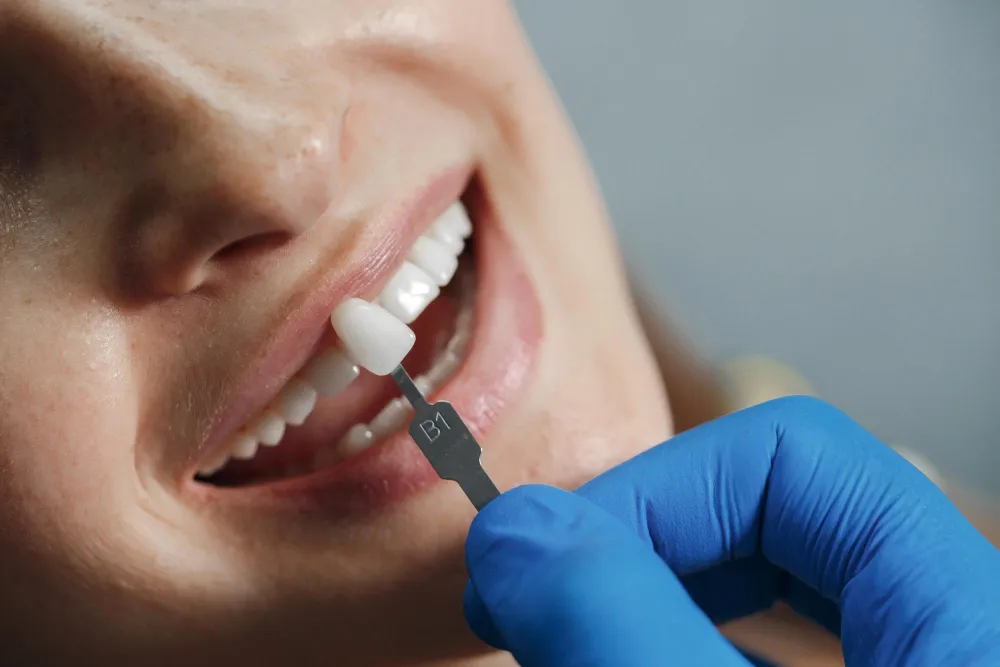
A personalised smile can reflect an individual's natural features while addressing cosmetic concerns that may affect confidence. Differences in tooth colour, shape, size and proportion can sometimes make a smile appear less balanced, even when the teeth remain healthy and functional. For suitable cosmetic concerns, Veneers wilmslow can provide an option for improving the visible appearance of selected teeth through carefully planned coverings. Veneers can disguise certain imperfections and help create a more harmonious smile when their shape, colour and proportions are planned around the individual's existing dental characteristics.
Understanding Veneers
A Personalised Cosmetic Option
Veneers are thin coverings placed over the visible surfaces of suitable teeth to disguise certain cosmetic imperfections. They can be used to alter the appearance of teeth affected by discolouration, chips or changes in shape. The NHS explains that veneers can involve a thin layer of porcelain or natural coloured material being fitted over the front of a tooth, although preparation requirements vary depending on the type of veneer used. A professional assessment is therefore important before treatment is considered.
Individual Treatment Planning
Every smile has different characteristics, meaning cosmetic treatment should not follow exactly the same design for every person. Tooth proportions, facial features, existing tooth colour and the individual's expectations can all influence the proposed appearance. A dental professional can assess these factors before deciding whether veneers are appropriate. Treatment planning may involve discussing the desired changes and considering how the proposed veneers will relate to surrounding teeth. This personalised approach can help create an appearance that feels balanced rather than excessively uniform or noticeably artificial.
Creating A More Balanced Smile
Improving Tooth Proportions
The proportions of individual teeth can have an important influence on the overall appearance of a smile. Teeth that appear unusually short, narrow or irregular may make neighbouring teeth seem less balanced by comparison. Veneers can sometimes be used to change the visible shape of suitable teeth and create greater consistency. The dental professional can consider the relationship between tooth width, length and surrounding structures before developing the treatment plan. This can help ensure that cosmetic changes complement the individual's natural smile instead of creating unnecessary alterations.
Supporting Facial Harmony
A smile forms part of the overall facial appearance, so cosmetic treatment can be planned with facial characteristics in mind. The relationship between teeth, lips and facial proportions can influence how the finished smile appears when an individual speaks or smiles naturally. Veneers can be shaped to complement these existing features rather than simply creating a standard appearance. Careful planning can help achieve a result that looks appropriate for the individual. The goal is generally to create greater harmony while preserving a natural sense of character within the smile.
Addressing Tooth Discolouration
Managing Persistent Staining
Changes in tooth colour can occur because of ageing, dietary habits and certain types of staining. Some discolouration may respond to professional whitening, while other changes may be more difficult to improve through whitening alone. Veneers can sometimes provide a cosmetic alternative for suitable teeth where a different appearance is desired. The underlying cause of discolouration should first be assessed by a dental professional. This helps determine whether veneers, whitening or another treatment would be the most appropriate option for the individual's dental condition and cosmetic expectations.
Selecting A Suitable Shade
Choosing an appropriate veneer shade is an important part of creating a natural looking smile. Extremely bright teeth may not always complement an individual's existing appearance, particularly when neighbouring natural teeth remain visible. The dental professional can consider the colour of surrounding teeth and discuss the individual's preferred outcome. Shade selection should also take account of how the smile looks in different lighting conditions. Careful planning can help the veneers blend with the overall appearance while still providing the desired cosmetic improvement.
Improving Tooth Shape
Refining Irregular Contours
Natural teeth can vary considerably in shape, and some individuals may have teeth that appear uneven or irregular. Small differences in contour can sometimes become more noticeable when smiling. Veneers may provide a way to alter the visible shape of suitable teeth and create a more consistent appearance. The dental professional can assess whether the tooth has sufficient healthy structure and whether a veneer would provide an appropriate solution. The proposed shape can then be designed around the individual's existing teeth and desired cosmetic outcome.
Maintaining Natural Proportions
Creating balanced tooth shapes requires more than making teeth appear larger or more uniform. Excessive changes could produce teeth that look disproportionate to the surrounding smile. Careful planning allows the dental professional to consider the relationship between individual teeth and the overall smile. Veneers can be designed with appropriate width, length and contour to help maintain natural proportions. This can be particularly important when several teeth are being treated. The final appearance should ideally complement the existing facial features rather than dominate them.
Managing Minor Cosmetic Concerns
Addressing Chipped Teeth
Small chips can alter the outline of a tooth and may become particularly noticeable when an individual smiles. Veneers can sometimes disguise suitable chips by covering the visible surface of the affected tooth. However, the severity of the damage needs to be assessed before treatment is considered. Some damaged teeth may require restorative treatment rather than purely cosmetic treatment. A dental professional can examine the tooth and determine whether a veneer is suitable. This assessment helps ensure that the underlying condition of the tooth is considered alongside its appearance.
Improving Uneven Appearance
Slight differences in tooth shape or length can affect the visual balance of a smile. Veneers may sometimes be used to create a more consistent appearance across selected teeth. The treatment can be focused on specific areas rather than automatically involving every visible tooth. This targeted approach can help preserve the natural characteristics of the smile while addressing the areas that cause the greatest cosmetic concern. Professional planning remains essential because the most appropriate number of veneers depends on the individual's dental condition and desired result.
Planning Personalised Veneer Treatment
Initial Dental Assessment
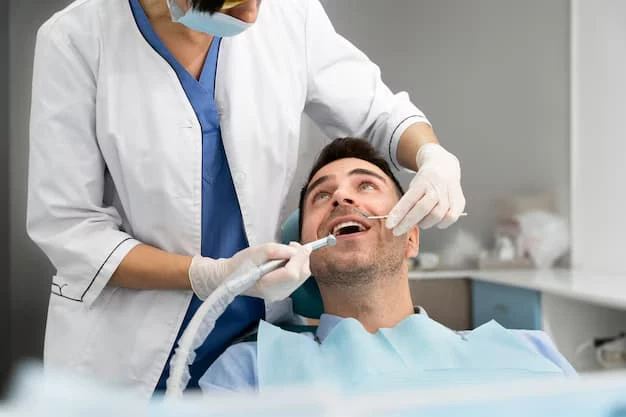
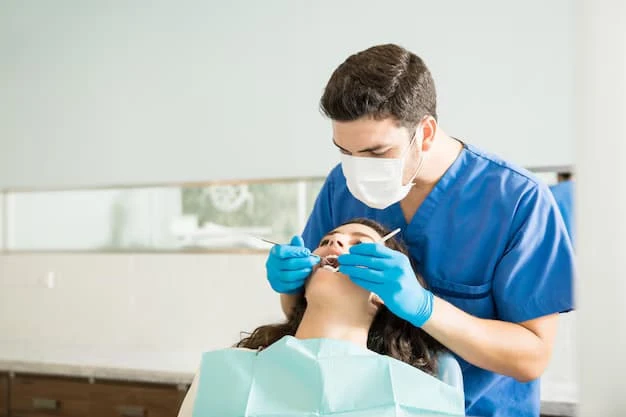
A detailed dental assessment should take place before cosmetic veneer treatment is planned. The dental professional can examine the teeth, gums and bite while checking for problems that could affect suitability. Existing dental conditions may need to be addressed before cosmetic treatment begins. The assessment also provides an opportunity to discuss the individual's expectations and explain the available treatment options. NHS guidance states that treatment decisions should be based on dental assessment and that patients should understand the risks, benefits and likely outcomes before treatment proceeds.
Discussing Cosmetic Goals
Different individuals may have very different ideas about an attractive smile. Some may want a subtle improvement in colour, while others may be more concerned about tooth proportions or shape. A consultation allows these preferences to be discussed before treatment is designed. The dental professional can explain what veneers may be able to achieve and where their limitations lie. This conversation helps establish realistic expectations and can prevent the treatment plan from becoming unnecessarily extensive. Personalised dentistry focuses on the individual's needs rather than applying the same design to everyone.
Considering Tooth Preparation
Understanding Preparation
The amount of preparation required depends on the type of veneer and the individual tooth. According to the NHS, some veneers require a small amount of the front surface of the tooth to be removed, while not all veneers require this type of preparation. Understanding the preparation involved is important because some changes to natural tooth structure may be permanent. A dental professional can explain the proposed process and discuss whether the selected veneer option is appropriate for the individual's circumstances.
Considering Long Term Commitment
Veneers should be considered as a long term cosmetic decision rather than a temporary change. Individuals need to understand that veneers can require maintenance and may eventually need attention or replacement. The condition of the underlying natural teeth also remains important after treatment. A professional consultation can explain the expected care requirements and potential limitations. Having this information before treatment allows individuals to make an informed decision. NHS guidance also emphasises the importance of understanding treatment benefits, risks and likely outcomes before proceeding with dental care.
Creating A Natural Looking Smile
Considering Smile Symmetry
Perfect symmetry is not necessary for a natural looking smile. In fact, small variations can contribute to the character of natural teeth. Veneers can be designed to improve obvious differences without necessarily making every tooth identical. The dental professional can consider the smile line, tooth position and surrounding features when planning the final appearance. This can help create a result that appears harmonious while retaining some of the natural variation found within the individual's original smile. Personalisation can therefore be more important than achieving absolute uniformity.
Balancing Colour And Shape
Colour and shape need to work together when veneers are planned. A suitable shade may still look unnatural if the tooth proportions are inappropriate, while a well shaped veneer may appear out of place if its colour does not complement surrounding teeth. The dental professional can therefore consider both factors together. This allows the treatment to be planned as part of the entire smile rather than focusing on individual teeth in isolation. Such attention to detail can contribute to a more cohesive and natural looking cosmetic result.
Veneers And Smile Confidence
Improving Comfort With Smiling
Concerns about visible dental imperfections can sometimes influence how confidently an individual smiles. A person may become more conscious of their teeth during conversations, social occasions or photographs. When veneers are appropriate, improving selected cosmetic concerns may help create a smile that the individual feels more comfortable displaying. The effect on confidence varies between individuals and cannot be guaranteed. However, addressing a specific concern can sometimes make the person feel more satisfied with their appearance. Professional guidance can help determine whether veneers are suitable for those goals.
Supporting A Positive Appearance
A personalised smile does not necessarily require dramatic cosmetic changes. Subtle adjustments to colour, shape or proportion may create a noticeable improvement while preserving the individual's natural appearance. Veneers can be planned to focus on specific concerns and create greater consistency between selected teeth. The extent of treatment should reflect the individual's needs and expectations. A careful approach can help avoid unnecessary changes and instead concentrate on improvements that contribute meaningfully to the overall appearance of the smile.
Comparing Veneers With Composite Bonding
Different Cosmetic Techniques
Veneers and composite bonding can both be used to improve the appearance of suitable teeth, but the techniques are different. Composite bonding involves applying tooth coloured material directly to the tooth and shaping it to improve specific imperfections. Veneers involve placing a thin facing over the visible surface of a suitable tooth. Bonding may be useful for smaller cosmetic changes, while veneers may be considered when more extensive changes to colour or shape are desired. A dental assessment can help determine which approach is more appropriate.
Choosing A Suitable Treatment
The most suitable cosmetic treatment depends on several factors, including tooth condition, desired appearance, bite and long term expectations. Some individuals may benefit from bonding, while others may be better suited to veneers or another treatment. There is no universal cosmetic solution for every smile. The dental professional can compare available options and explain the advantages and limitations of each. This allows the individual to make a decision based on professional advice rather than choosing a treatment solely because of its appearance in photographs or advertisements.
Maintaining Veneers
Daily Oral Hygiene
Veneers do not remove the need for normal dental care. Individuals should continue brushing regularly with fluoride toothpaste and cleaning between the teeth. Maintaining healthy gums and natural teeth remains essential because the underlying dental structures continue to support the smile. Good oral hygiene can help reduce the risk of dental problems developing around treated teeth. Professional advice may also be provided regarding suitable cleaning techniques. Consistent daily care is an important part of protecting the overall health of a smile that includes cosmetic restorations.
Regular Dental Reviews
Regular dental appointments can help monitor the condition of veneers and the surrounding teeth. A dental professional can look for signs of wear, damage, gum problems or changes affecting the treated areas. Routine examinations also provide an opportunity to review oral hygiene and discuss any concerns. Early identification of potential problems may allow appropriate action to be taken before they become more significant. Continued professional monitoring can therefore support both the appearance of the veneers and the health of the natural teeth beneath and around them.
Protecting Veneers From Damage
Managing Everyday Habits
Certain habits can place unnecessary pressure on teeth and cosmetic restorations. Biting hard objects, opening packaging with the teeth and repeatedly chewing very hard foods may increase the risk of damage. Individuals with veneers can benefit from being aware of these habits and discussing any concerns with their dental professional. The amount of risk can vary according to tooth position, bite and individual behaviour. Appropriate guidance can help reduce avoidable pressure and support the condition of the veneers over time.
Responding To Damage
Although veneers are designed for dental use, they can still become chipped, damaged or otherwise affected by normal use. Individuals should seek professional advice if a veneer changes in appearance, feels uncomfortable or becomes damaged. Attempting to repair a cosmetic restoration without professional assessment may not address the underlying issue. A dental professional can examine the affected area and determine whether repair, adjustment or replacement is appropriate. Prompt assessment can also help identify whether the natural tooth beneath the veneer requires attention.
Considering Overall Oral Health
Treating Existing Problems
Cosmetic treatment should be considered alongside general dental health. Existing decay, gum disease or other oral health problems may need to be managed before veneers are placed. This helps ensure that cosmetic treatment does not overlook conditions affecting the underlying teeth and gums. A dental assessment provides an opportunity to identify these concerns and develop an appropriate treatment sequence. Healthy supporting structures are important for maintaining the appearance and function of the smile. Cosmetic goals should therefore complement rather than replace essential dental care.
Maintaining Healthy Habits
The health of the teeth remains important even after cosmetic improvements have been completed. Regular brushing, cleaning between the teeth and appropriate dental appointments can help maintain the mouth in good condition. Individuals should also follow professional recommendations relating to diet and habits that may affect their teeth. Veneers can change the visible appearance of teeth, but they do not make the underlying teeth immune to decay or gum disease. Continued attention to oral health can therefore support the long term condition of both natural and treated teeth.
Making An Informed Cosmetic Decision
Understanding Benefits And Limitations
Veneers can provide significant cosmetic changes for suitable individuals, but they also involve important considerations. The NHS notes that veneers are generally cosmetic treatments and are usually provided privately, except where there is an appropriate clinical need. Individuals should therefore understand the treatment process, financial considerations, potential preparation and ongoing maintenance before making a decision. A detailed consultation can provide the information needed to weigh the advantages and limitations. This supports a more informed decision based on individual circumstances rather than expectations created by cosmetic imagery.
Choosing Personalised Treatment
Personalised treatment means considering the individual rather than simply copying a particular smile design. Tooth colour, facial features, existing dental health, bite and personal preferences can all influence the final treatment plan. The dental professional can explain whether veneers are appropriate and what alternatives may be available. This process can help ensure that cosmetic treatment remains proportionate to the individual's needs. NHS guidance recommends that patients receive clear information about proposed treatments, including their benefits, risks and likely outcomes.
Who May Consider Veneers
Suitable Cosmetic Concerns
Veneers may be considered by individuals concerned about suitable changes in tooth colour, shape, size or visible appearance. They can sometimes disguise certain chips, discolouration and irregularities when the underlying teeth are appropriate for treatment. However, not every cosmetic concern is best addressed with veneers. A professional examination is necessary to determine whether the teeth and gums are healthy enough and whether another treatment would provide a more suitable outcome. The individual's expectations should also be considered before a treatment plan is developed.
Individuals Seeking Subtle Improvements
People who prefer a personalised and natural looking smile may consider veneers when they want specific cosmetic concerns addressed. Treatment can sometimes focus on selected teeth rather than involving the entire visible smile. This targeted approach can help preserve natural characteristics while improving areas that cause concern. The final decision should be based on professional assessment and a clear understanding of the treatment commitment. When the treatment is appropriate and carefully planned, veneers can form part of a considered approach to improving smile appearance and confidence.
Final Thoughts
Veneers can offer a personalised cosmetic option for individuals seeking improvements in tooth colour, shape, size and overall smile balance. Careful assessment, appropriate treatment planning and realistic expectations are essential because veneer treatment can involve changes to natural tooth structure depending on the technique used. Ongoing oral hygiene and regular professional reviews remain important for supporting the health of the treated and surrounding teeth. For individuals considering personalised cosmetic improvements and seeking professional guidance about Veneers wilmslow, Trinity House Dental Care can provide appropriate assessment and treatment planning based on individual dental needs.






Sign in to leave a comment.