

After a pimple heals, you may notice a dark spot, a small dent, or an uneven patch of skin. It is easy to assume that all these changes are acne scars, but that isn't always the case. Some are temporary marks that gradually fade, while others are changes in the skin's texture that may need professional treatment.
In our acne scar treatment case study, we explored a patient’s experience with deep, pitted scars that required several months of carefully planned treatment. Unlike a flat brown spot left behind by a pimple, these scars involved changes beneath the skin's surface. Understanding the difference can help you choose the right treatment and avoid spending time and money on approaches that may not work.

What Is the Difference Between Acne Marks and Acne Scars?
Acne marks are usually changes in skin colour. When a pimple becomes inflamed, your skin may produce extra pigment as it heals. This can leave behind brown or dark spots, a condition known as post-inflammatory hyperpigmentation (PIH). The skin remains smooth, even though its colour has changed.
These marks are common among people with medium to deeper skin tones, including many people in India. The good news is that they often fade gradually with time and appropriate skincare.
Acne scars, on the other hand, affect the skin's texture. When inflammation damages the deeper layers of the skin, the healing process may leave behind permanent changes in its surface. Some scars appear as small, deep holes, while others look like wider depressions or uneven areas. These are known as ice pick, boxcar and rolling scars.
Raised scars can also develop when the body produces excess tissue during healing.
How Can You Tell Them Apart at Home?
A simple way to get an initial idea is to look at your skin in natural light. Stand near a window and gently turn your face to one side so the light falls across your skin.
If you notice a flat brown or dark spot but the surface feels smooth, it is more likely to be pigmentation. If you can see a dent, uneven texture or raised area, it may be an acne scar.
This isn't a definite diagnosis, though. You can have pigmentation and scarring at the same time, so a dermatologist can help identify what is actually happening.
Why Does the Right Treatment Matter?
Acne marks and acne scars may look similar at first, but they don't respond to the same treatments.
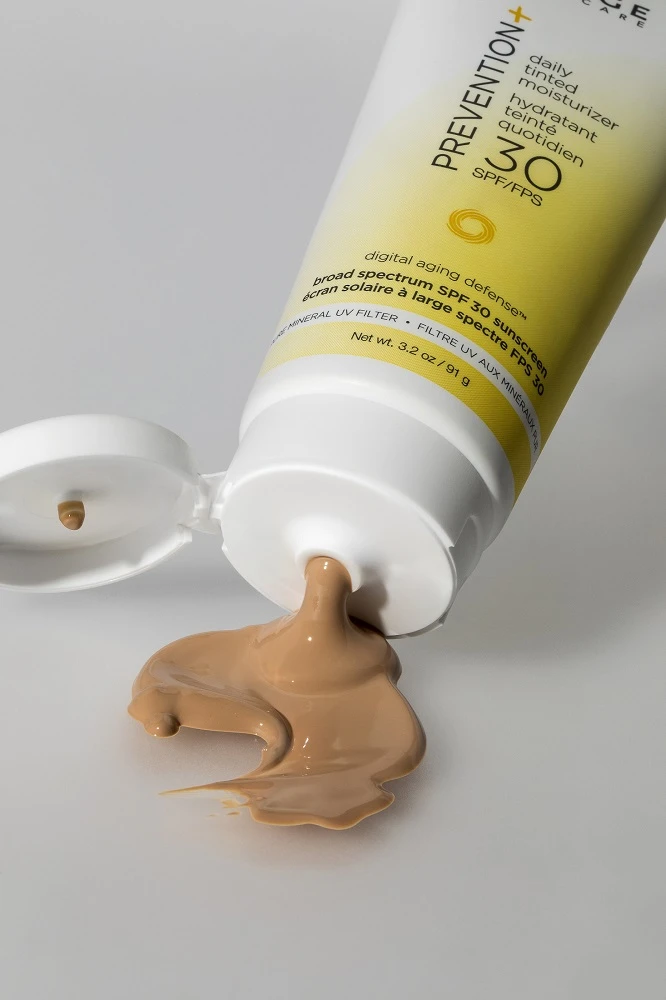
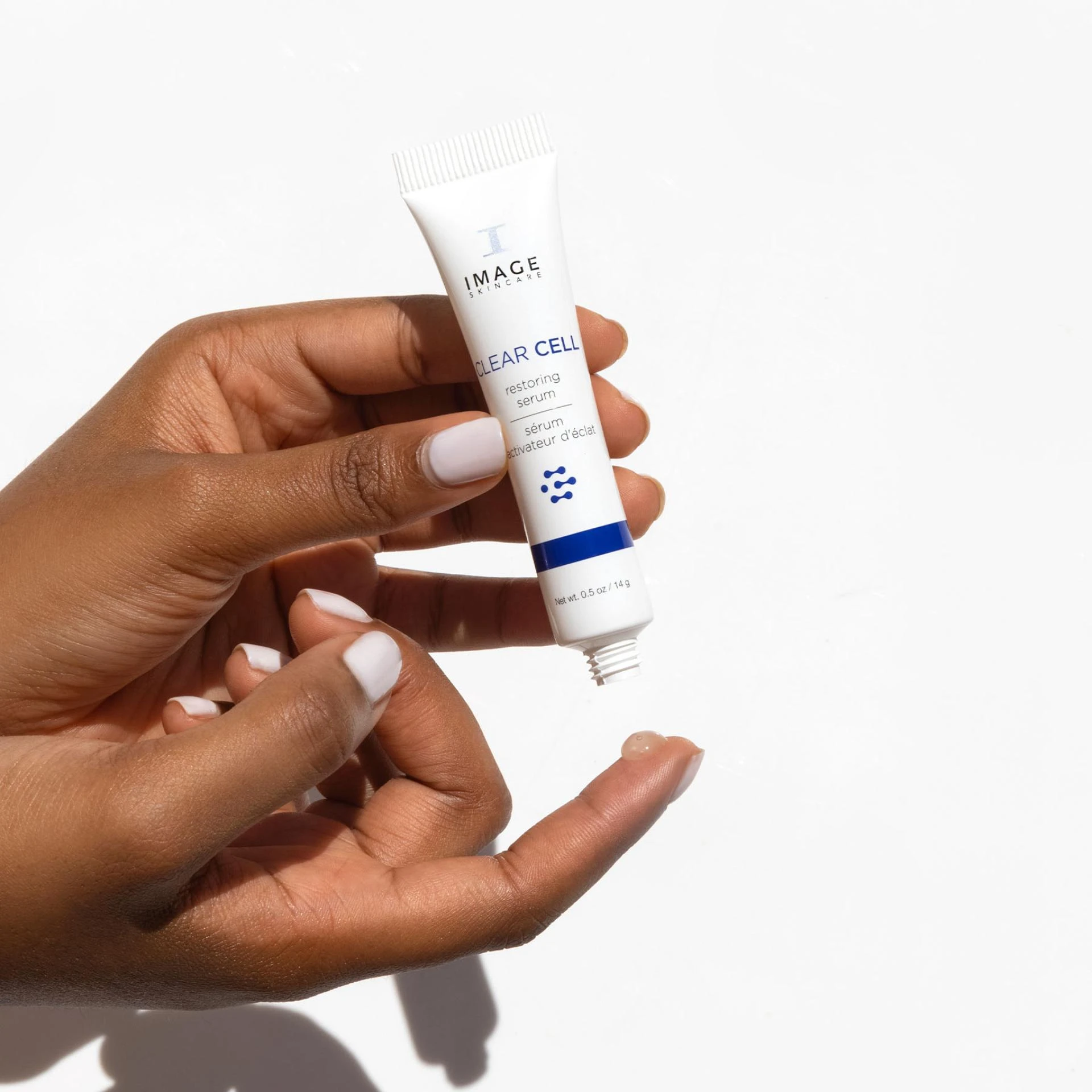
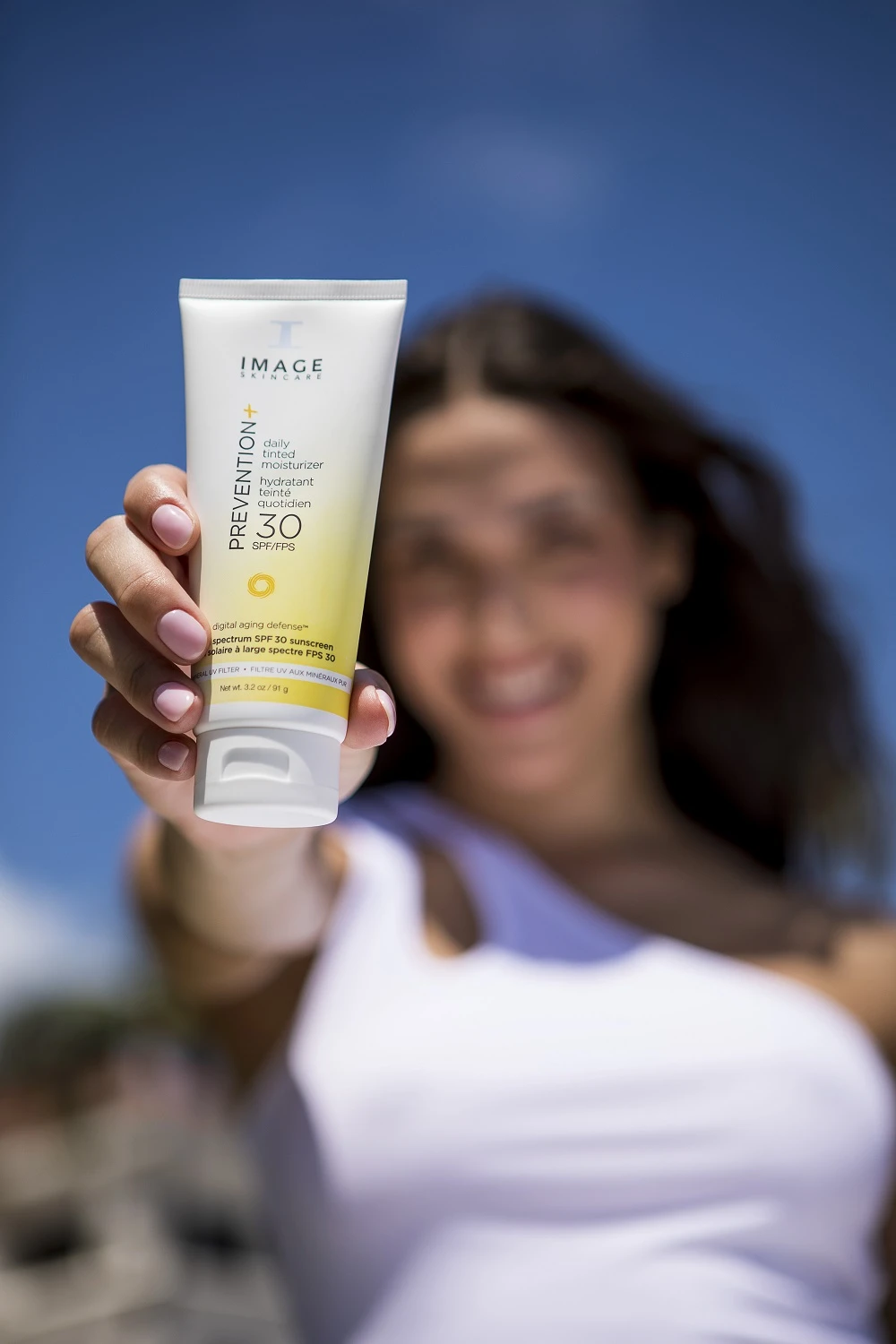
For pigmentation, consistent sunscreen use, gentle skincare and dermatologist-recommended topical products can help improve the appearance of dark spots. Certain serums may help fade post-acne marks, depending on their ingredients and the cause of the pigmentation. Improvement usually takes time, so patience is important.
Indented acne scars often need a different approach. Treatments such as microneedling and fractional laser may help stimulate collagen and improve skin texture over multiple sessions. The choice depends on the type and depth of the scars, your skin type and your medical history.
The important thing to remember is that creams designed for pigmentation generally cannot fill deep scars, while procedures intended to improve scar texture may not be necessary for simple dark marks.
Common Mistakes That Can Make Acne Marks Worse
A few everyday habits can make it harder for your skin to recover:
- Picking or squeezing pimples: This can increase inflammation and the risk of marks and scars.
- Skipping sunscreen: Sun exposure can make dark spots more noticeable and slow their fading.
- Using harsh home remedies: Lemon juice, baking soda and abrasive scrubs can irritate the skin and worsen pigmentation.
- Changing products too frequently: Skincare products need time to work, and frequent changes can cause irritation.
- Ignoring ongoing acne: New breakouts can leave behind fresh marks and increase the risk of further scarring.
A gentle routine and appropriate treatment for active acne can help prevent new problems while existing marks heal.
When Should You Consult a Dermatologist?
Consider getting your skin examined if dark marks persist for several months, you notice dents or raised areas, or acne continues to break out regularly. A dermatologist can assess whether you have pigmentation, scars or both and recommend a treatment plan based on your skin's needs.
Early assessment can also help you avoid unnecessary treatments and focus on what is most likely to improve your skin.
Frequently Asked Questions
Do acne marks fade on their own?
Many flat, dark acne marks gradually fade over several months. Some take longer, particularly when pigmentation is deeper or sun exposure continues to darken it.
Can acne scars disappear without treatment?
Indented scars usually do not disappear completely on their own. However, appropriate treatments may help make them less noticeable and improve skin texture.
Can I have acne marks and scars together?
Yes. It is common to have flat dark spots alongside indented or raised scars. Each may need a different treatment approach.
Get the Right Advice for Your Skin
Not every mark left by acne needs a procedure, and not every scar will respond to skincare products alone. Understanding the difference is the first step towards choosing an approach that suits your skin.
If you are unsure whether you have acne marks, acne scars or a combination of both, a dermatologist can help you understand your options.
Clinic Address: Dr. Asma M.D. Skin Clinic, Subhash Chandra Bose Complex, Mandi Crossing, Victoria Street, Chowk, Lucknow – 226003












Sign in to leave a comment.