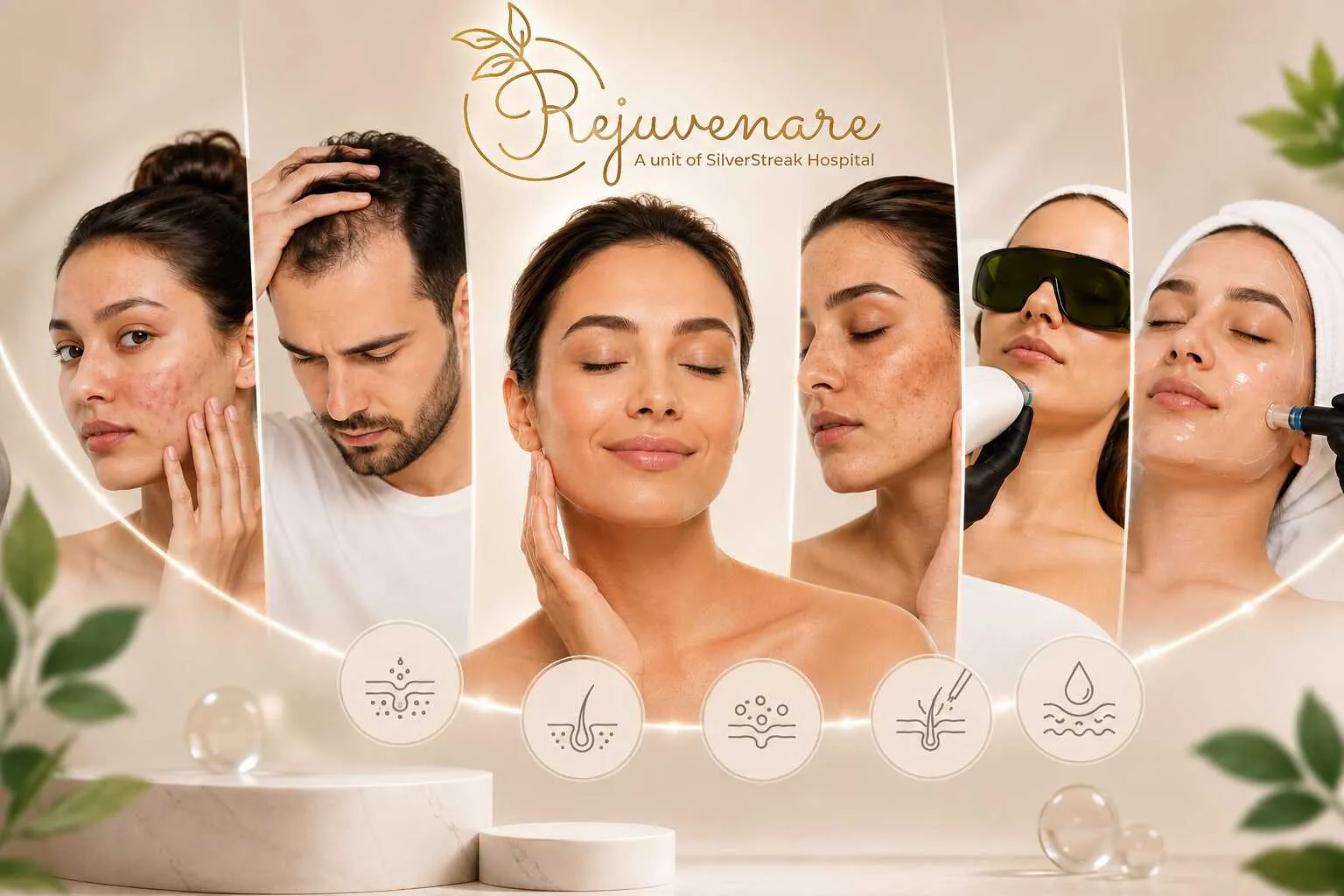

Acne is one of the most common skin concerns, but that does not mean every case should be treated in exactly the same way.
A few occasional pimples may respond to basic skincare, while persistent inflammatory acne can require professional treatment. Some people also experience dark marks or scars after acne clears, making early and appropriate management particularly important.

If you are looking for acne treatment sector 87 Gurgaon, understanding how dermatologists approach acne can help you make better decisions about your skin.
What Causes Acne?
Acne develops when hair follicles become clogged with oil and dead skin cells. Inflammation and other biological processes can then contribute to different types of acne lesions.
Acne can appear as:
- Blackheads
- Whiteheads
- Small pimples
- Inflamed bumps
- Pus-filled lesions
- Deep, painful nodules or cyst-like lesions
The severity and type of acne matter when determining treatment.
Why Acne Treatment Is Not One-Size-Fits-All
One of the biggest misconceptions about acne is that there is one product or procedure that works for everyone.
The American Academy of Dermatology explains that acne treatment should be tailored to the individual and that different types of acne can require different approaches.
A dermatologist may consider:
- Type of acne
- Severity
- Location
- Duration
- Previous treatments
- Skin type
- Scarring
- Pigmentation
- Other medical factors
This is why repeatedly changing products without understanding the underlying problem may not be the best approach.
When Should You See a Dermatologist?
Mild acne may sometimes be managed with appropriate over-the-counter skincare.
However, professional evaluation becomes particularly important when acne is:
- Painful
- Deep
- Persistent
- Widespread
- Leaving scars
- Causing significant pigmentation
- Not improving with routine products
AAD guidance specifically recommends dermatological care when acne is deep, painful, or causing scarring.
Acne and Dark Spots
Acne does not always end when the pimple disappears.
Inflammation can leave behind dark marks called post-inflammatory hyperpigmentation.
This is particularly relevant for people with darker skin tones. The AAD notes that acne and pigmentation can occur together and that significant inflammation may contribute to post-acne dark spots.
This is one reason it is useful to manage acne rather than repeatedly allowing severe breakouts to continue.
What Treatments Can Dermatologists Use?
Treatment depends on the patient's condition.
Depending on the diagnosis, dermatologists may use topical medicines, oral medicines, procedures, or combinations of approaches.
Potential professional treatments may include:
- Prescription topical treatments
- Oral medications when appropriate
- Chemical peels
- Acne extraction in selected cases
- Certain laser or light-based procedures
- Treatments for acne scars after active acne is controlled
Laser and light treatments can sometimes form part of an acne treatment plan, but the AAD notes that they are not universally effective as a stand-alone solution and results can vary.
Why Picking Acne Can Make Things Worse
Trying to squeeze or pick pimples can increase inflammation and may increase the likelihood of scarring or dark marks.
The AAD specifically advises against picking or squeezing acne because doing so can prolong healing and increase the risk of scars and post-inflammatory hyperpigmentation.
Skincare During Acne Treatment
A treatment plan is not limited to medication.
Basic skincare habits can also matter.
A gentle cleanser, suitable moisturizer, and appropriate sun protection can help support the skin barrier.
Avoid repeatedly introducing strong products simply because a new product is trending online.
Consistency is often more useful than constantly changing routines.
Acne Treatment in Sector 87 Gurgaon
For people searching for acne treatment sector 87 Gurgaon, a consultation with a dermatology clinic such as Rejuvenare Dermatology can provide an opportunity to discuss the type and severity of acne before deciding on treatment.
The objective should be an individualized approach rather than automatically selecting a particular procedure.
Frequently Asked Questions
What is the best treatment for acne?
There is no single best treatment for everyone. Treatment depends on the type and severity of acne and the individual's skin and medical history.
How long does acne treatment take?
Acne treatment usually requires consistency and time. The AAD notes that patients may need at least several weeks before improvement becomes noticeable.
Can acne scars be prevented?
Early and appropriate acne management may help reduce the risk of severe inflammation and scarring. Existing scars may require separate treatment.
Can facials cure acne?
A facial is not equivalent to medical acne treatment. Persistent or severe acne should be evaluated by a dermatologist.
Can laser treatment help acne?
Some laser and light treatments may be used as part of an acne treatment plan, but they are not appropriate for everyone and results vary.
Final Thoughts
Effective acne treatment sector 87 Gurgaon should begin with understanding the individual's acne rather than immediately choosing a procedure.
If breakouts are persistent, painful, scarring, or leaving dark marks, professional dermatological assessment can help determine appropriate options.
























Sign in to leave a comment.