

Dinner used to be the hardest twenty minutes of the day for one family in Frederick County, not because of food refusal but because of silence. Their four-year-old would sit at the table without initiating a single word, responding to direct questions with a nod or a point, while the rest of the family talked around him. It took a shift in how the parents approached mealtime itself, not a separate structured session, before he started reaching for words on his own.
Communication goals in ABA rarely live only in scheduled sessions. Most of the meaningful practice happens in the ordinary stretches of a day that already involve back-and-forth exchange: mealtimes, bath time, a car ride, a shared task like folding laundry. Building activities around these existing moments tends to work better than trying to carve out a separate, artificial practice period a child has no real motivation to engage with.
Turning ordinary moments into practice
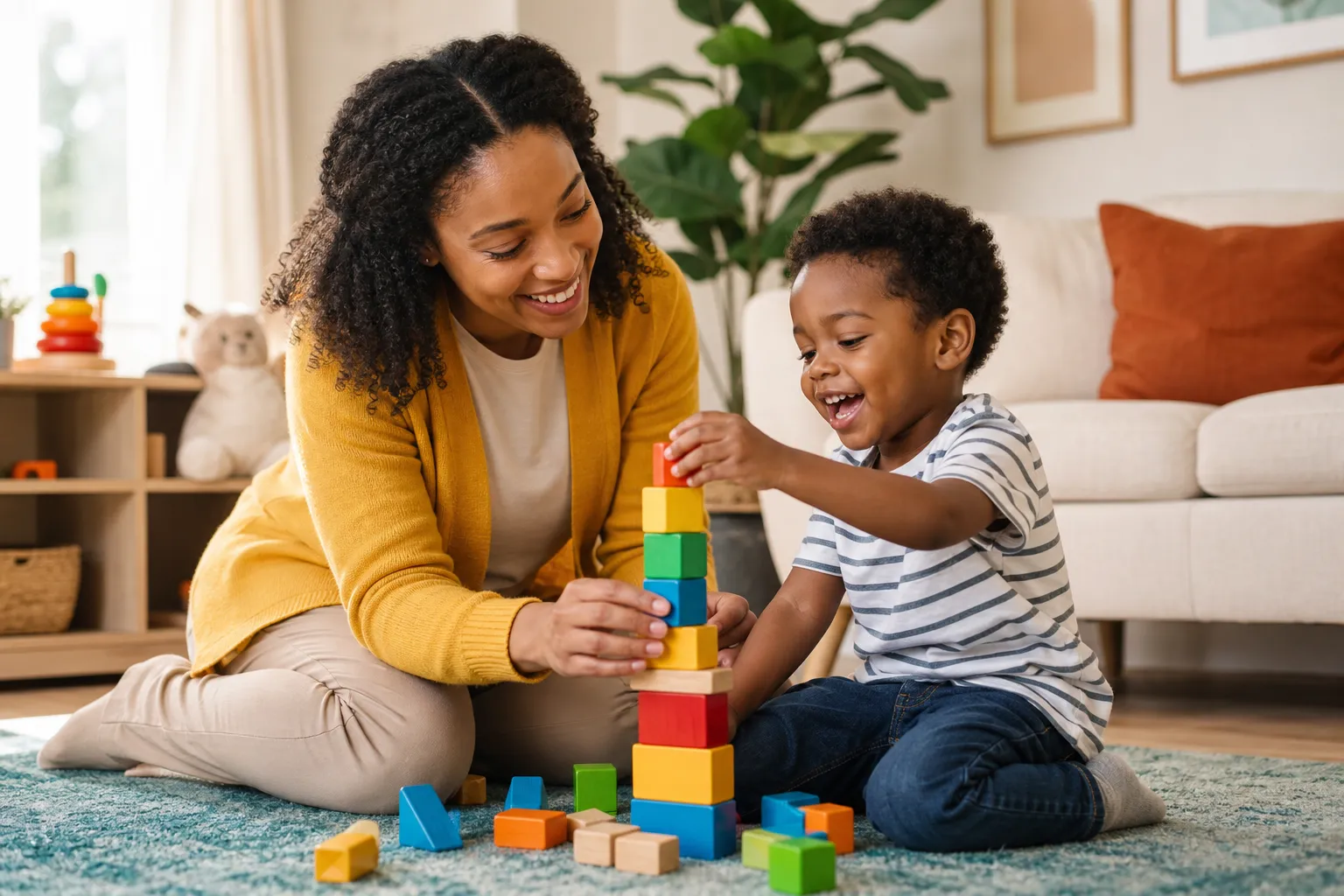
One of the simplest shifts a family can make is pausing more often during an activity a child already enjoys, creating a small gap where the child has to communicate something, even just a single word or a gesture, before the activity continues. A parent blowing bubbles might pause mid-activity and wait for a request, a reach, a sound, anything, before blowing the next one, rather than continuing automatically.
This works because it uses something the child is already motivated by rather than introducing an artificial reward for its own sake. A child who wants the bubbles to keep going has a real reason to communicate, which tends to produce more genuine attempts than a flashcard drill disconnected from anything the child actually wants in that moment.
Choice-making moments work similarly well. Offering two options during a snack or a play activity, holding them up and waiting, gives a child a low-pressure opportunity to communicate a preference rather than simply having decisions made for them. Over time, this kind of repeated, low-stakes choice-making tends to build both vocabulary and a general sense that communicating actually changes what happens next.
Where structured activities still help
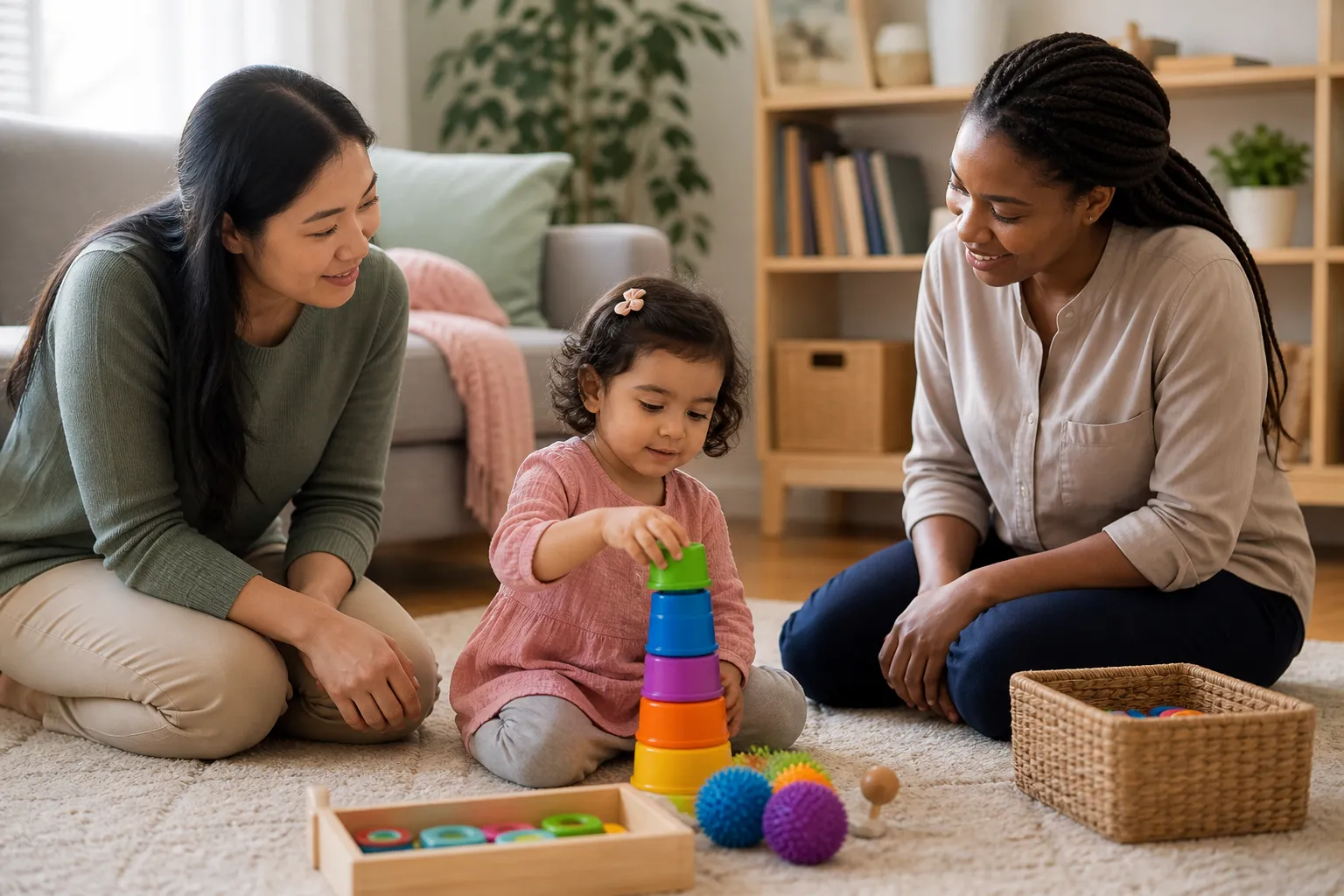
Structured activities have their place alongside these everyday moments, particularly for building specific vocabulary or practicing a skill that does not come up often enough naturally. Picture-based activities, simple matching games, or short structured play sessions focused on a particular goal can supplement the everyday practice without needing to replace it.
Families looking for a broader set of structured activity ideas, particularly ones aimed at expanding vocabulary and functional communication, can find more from Able Minds ABA, which lays out a range of options that fit different ages and skill levels.
The key with any structured activity is keeping sessions short enough that a child stays engaged rather than tuning out partway through. A five-minute activity done consistently across several days tends to produce more than a single thirty-minute session a child dreads and avoids.
Siblings can often be folded into these activities as well, sometimes more effectively than a parent can manage alone. A sibling waiting their turn during a choice-making game gives a child another reason to communicate, and it tends to feel less like a lesson and more like ordinary play, which matters for how willingly a child participates.
What tends to make the biggest difference
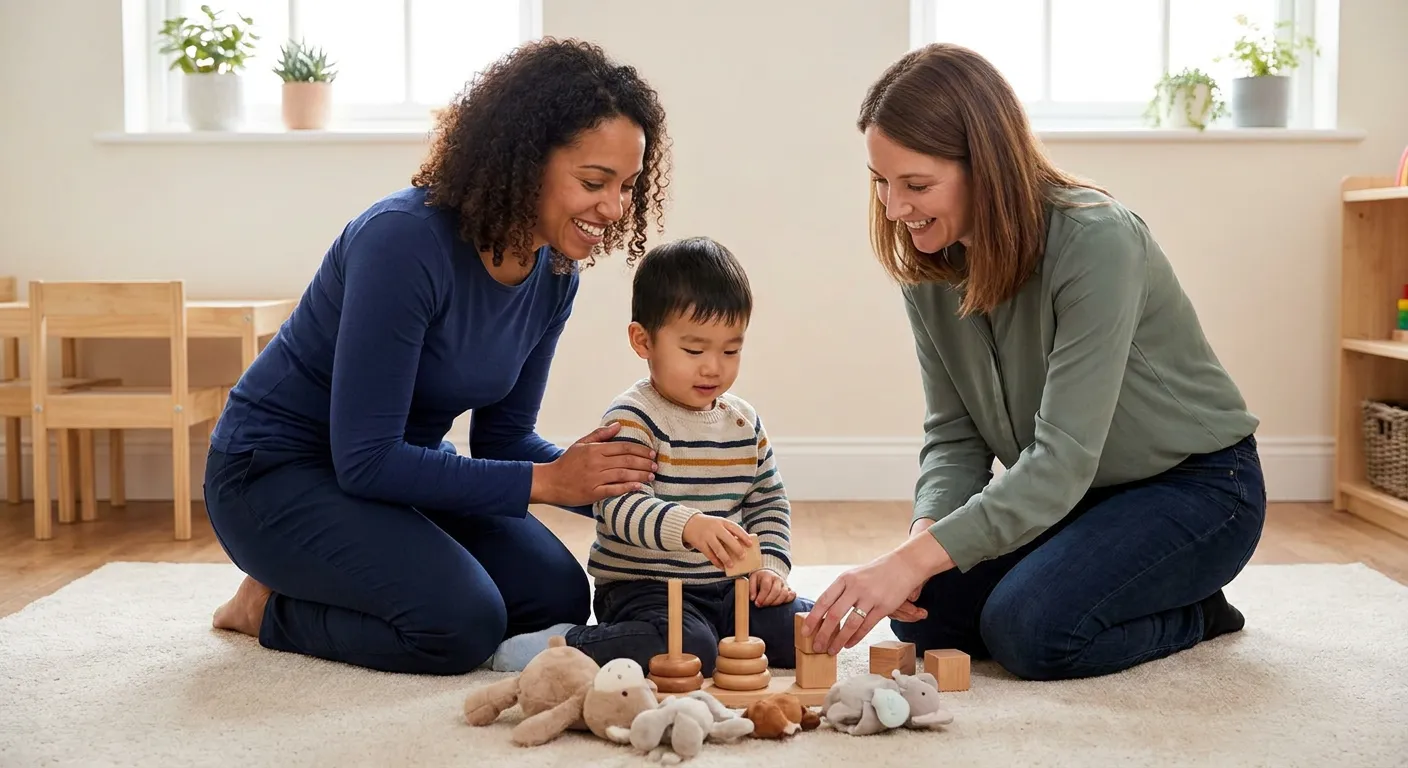
Consistency across the people in a household matters more than any single activity. A strategy a mother uses reliably but a father uses only occasionally sends a mixed signal to a child about what is actually expected, and it slows down how quickly a new communication habit becomes automatic. Getting everyone in a household roughly aligned, even imperfectly, tends to matter more than finding the single best activity.
It also helps to notice which moments of the day a child is naturally more talkative or engaged, and to build activities around those windows rather than forcing practice into a time when a child is tired or distracted. A child who chats easily in the bath but goes quiet at the dinner table may simply need practice moved to where it already comes more naturally, at least at first.
Progress with communication goals is rarely dramatic week to week. It tends to show up gradually, in slightly longer phrases, slightly more spontaneous requests, a slightly wider range of words used without a full prompt, and families who track this patiently tend to notice the shift sooner than those looking for a single obvious breakthrough moment.



















Sign in to leave a comment.