

Finishing cancer treatment can bring relief, but recovery does not always feel simple. Pain, tiredness, sleep problems, nerve symptoms, hot flashes, anxiety, or treatment-related nausea may continue for weeks or months. This is where supportive therapies can sometimes help.
Acupuncture for Post-Cancer Recovery is increasingly discussed as a complementary approach for managing certain symptoms after cancer treatment. It is not a replacement for oncology care or a treatment that cures cancer. Instead, it may be used alongside conventional medical care to improve comfort and day-to-day wellbeing.
What Is Acupuncture?
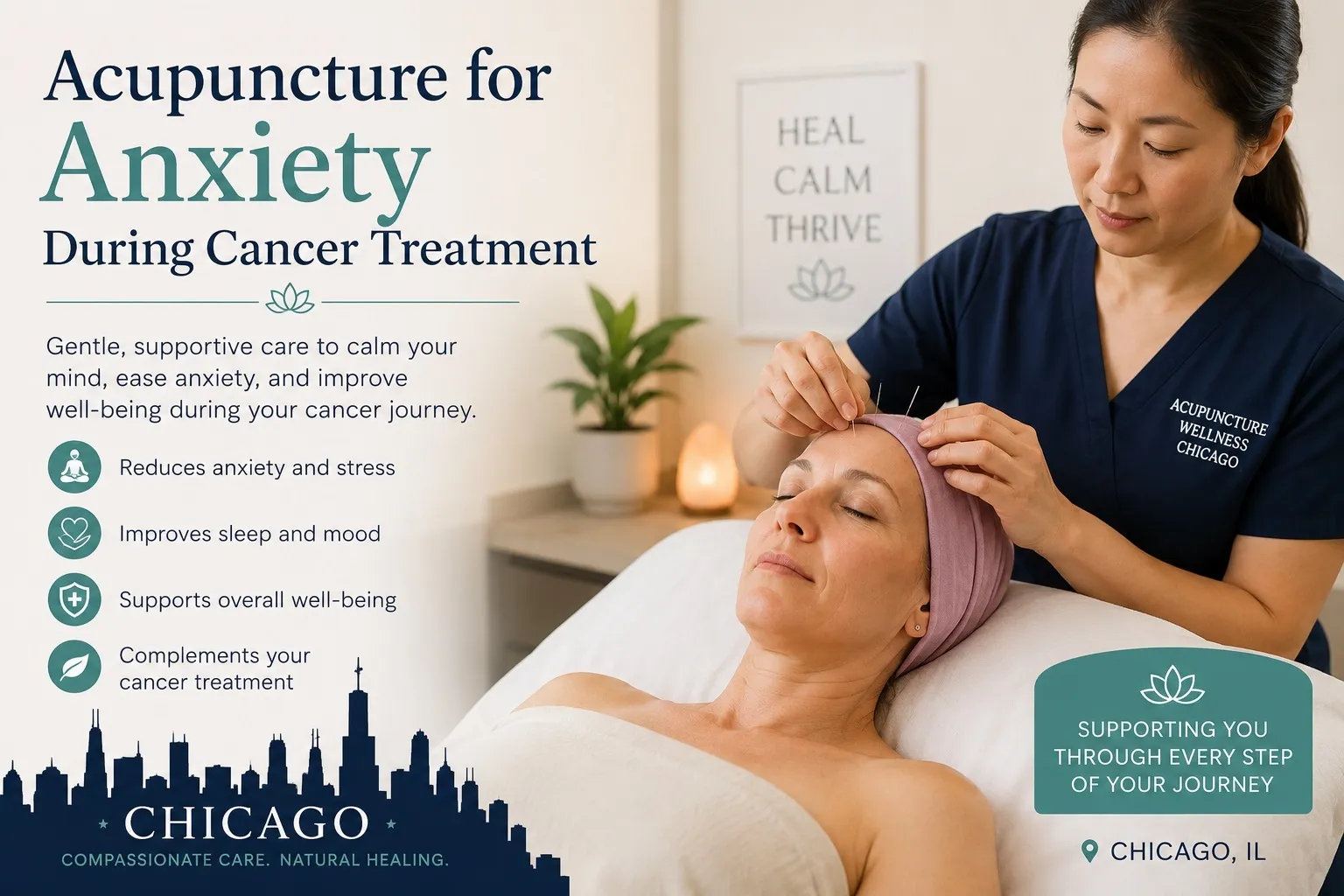
Acupuncture is a traditional therapy that uses very thin needles placed at specific points on the body. Modern cancer centers use acupuncture mainly as supportive care for symptoms rather than as a cancer treatment itself.
The National Cancer Institute reports that research has examined acupuncture for treatment-related nausea and vomiting, pain, fatigue, hot flashes, dry mouth, and other symptoms. Evidence is stronger for some uses than others, so expectations should remain realistic.
Possible Benefits During Recovery
Recovery looks different for every cancer survivor. One person may struggle mostly with joint pain, while another may have lingering fatigue or tingling in the hands and feet.
Acupuncture may help with several of these concerns:
Pain: Some studies suggest acupuncture can reduce certain types of cancer-related, postoperative, and musculoskeletal pain. Research in cancer survivors has also looked at persistent joint and muscle discomfort.
Neuropathy: Chemotherapy can sometimes damage peripheral nerves, causing numbness, tingling, burning, or weakness. Acupuncture has been studied as a supportive option for chemotherapy-induced peripheral neuropathy, although research is still developing.
Fatigue and sleep: Some cancer studies report improvements in fatigue and sleep following acupuncture. These symptoms can have a big effect on work, family life, and emotional wellbeing.
Nausea: Acupuncture has some of its strongest research support for nausea and vomiting associated with cancer treatments. It can be considered alongside standard anti-nausea medicines when appropriate.
Joint pain after breast cancer treatment: Hormonal medicines called aromatase inhibitors can cause muscle and joint pain in some people. Acupuncture has been studied for this specific problem, with mixed but encouraging findings.
Acupuncture for Breast Cancer Recovery
Acupuncture for Breast Cancer Recovery may be considered when lingering treatment effects interfere with everyday activities. Some survivors explore it for joint pain, hot flashes, fatigue, anxiety, sleep difficulties, or other persistent symptoms.
For someone recovering from breast cancer, the treatment plan should be individualized. Previous surgery, radiation, medications, lymphedema, blood counts, and other health factors can affect whether acupuncture is appropriate and where needles can safely be placed.
A qualified practitioner should communicate with the oncology team when needed. This matters especially when recovery is still underway.
Is Acupuncture Safe After Cancer Treatment?
Generally, acupuncture is considered reasonably safe when performed by a properly trained practitioner using clean, sterile, single-use needles. Minor effects such as temporary soreness, small bruises, or slight bleeding can occur.
Safety still needs attention.
People with low platelet counts may have a higher bleeding risk. Those with weakened immune systems may also need additional precautions because of infection risk. Patients with lymphedema, implanted electronic devices, or other specific medical concerns should discuss acupuncture with their healthcare provider before treatment.
Do not stop cancer medicines or change an oncology treatment plan because you are starting acupuncture.
What Happens During a Session?
Your first appointment will usually begin with questions about your symptoms, medical history, medications, previous cancer treatment, and recovery goals.
The practitioner then places very thin needles at selected points. Most people describe little discomfort, although you may notice a brief prick or pressure. Needles commonly remain in place for around 20 to 30 minutes while you rest.
The number of sessions varies. Some people notice changes quickly, while others need several appointments before deciding whether the treatment is useful for them.
How to Choose a Practitioner
Look for a licensed or certified acupuncturist with experience working with cancer patients. Ask whether they regularly treat cancer survivors and whether they are comfortable coordinating with oncology professionals.
Before your first visit, bring an updated list of medicines and supplements. Also mention recent surgery, radiation, chemotherapy, immunotherapy, blood-count problems, lymphedema, or implanted medical devices.
A good practitioner should welcome these questions. They should also be clear about what acupuncture can and cannot do.
FAQs
Can acupuncture cure cancer?
No. Acupuncture should not be promoted as a cure for cancer or as a way to shrink tumors. Its role in oncology is primarily supportive symptom management.
When can I start acupuncture after cancer treatment?
There is no single start date for everyone. Timing depends on your treatment history, current health, blood counts, medications, and symptoms. Ask your oncology team before beginning.
Can acupuncture help chemotherapy-related nerve pain?
It may help some people, but evidence is still developing. Chemotherapy-induced peripheral neuropathy can persist after treatment, so discuss persistent numbness, tingling, burning, or weakness with your healthcare provider.
How often should I have acupuncture?
There is no universal schedule. A practitioner may recommend a short course based on your symptoms and response. Your plan can then be adjusted depending on whether you are actually noticing improvement.
Is acupuncture suitable for every cancer survivor?
No. Individual risks matter. Low platelets, infection risk, lymphedema, certain medications, and other medical conditions may change the safety assessment. Always share your cancer history and current treatment with the practitioner.
Recovery is more than finishing the last treatment. For some people, supportive therapies such as acupuncture can become one part of a broader recovery plan that also includes medical follow-up, movement, nutrition, sleep, and emotional support. The goal is not to replace cancer care. It is to help manage symptoms safely while you rebuild your routine and quality of life.
























Sign in to leave a comment.