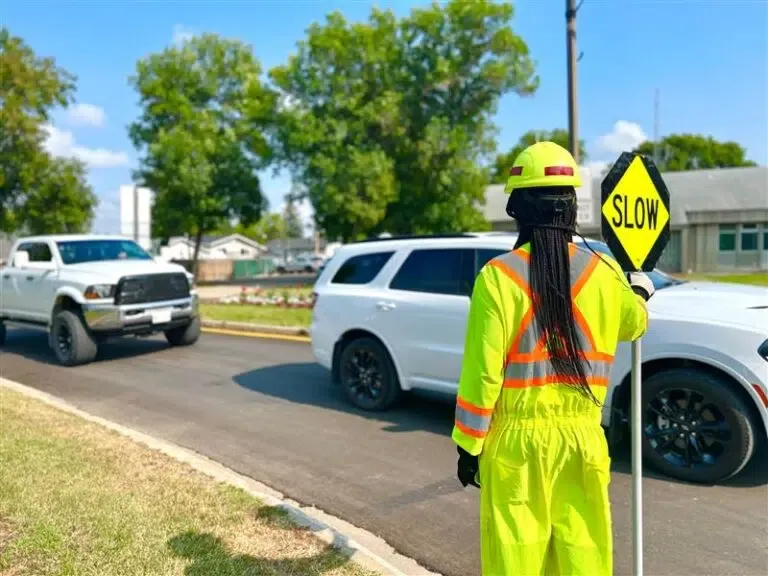

Suburban communities are experiencing unprecedented population growth as families and businesses migrate outward from dense urban cores. While this expansion fosters economic vitality and local development, it places immense pressure on municipal road networks originally built for rural or light residential travel. Outdated two-lane arterials, awkward four-way stops, and static traffic signals frequently struggle to handle modern peak commuting volumes. Deploying intelligent traffic services provides suburban planners with dynamic, data-driven frameworks to alleviate road bottlenecks, enhance commuter safety, and restore smooth vehicular mobility across expanding districts.
The Anatomy of Suburban Congestion Chokepoints
Suburban road configurations face distinct challenges compared to grid-based city centres. Commuting routes typically funnel thousands of vehicles into a handful of major arterial corridors and freeway on-ramps. When residential subdivisions expand faster than road-widening projects can occur, critical intersections become severe chokepoints.
Traditional fixed-time signal configurations aggravate these bottlenecks because they operate on rigid, pre-programmed schedules. A signal may award green time to an empty cross street while vehicles back up hundreds of metres along the main thoroughfare. Furthermore, suburban travel patterns are inherently volatile, fluctuating heavily with school start times, retail traffic spikes, weekend sports tournaments, and weather disruptions. Without real-time adaptability, these minor surges rapidly spiral into cascading delays.
Architectural Components of Adaptive Signal Networks
Transitioning away from static intersections requires an integrated infrastructure that senses and reacts to immediate roadway conditions. Rather than relying on outdated annual traffic studies, adaptive signal control systems continuously gather and analyse roadway telemetry.
High-resolution video cameras, embedded pavement sensors, and thermal detectors monitor queue lengths, approach speeds, and pedestrian demand at every approach. Roadside controllers process this sensor telemetry to calculate optimal cycle lengths, split times, and offsets on a minute-by-minute basis. Implementing coordinated traffic services enables municipalities to synchronise multiple adjacent intersections along critical corridors, establishing green waves that keep traffic moving smoothly through suburban commercial belts.
Edge Computing and Real-Time Operational Strategies
Achieving low-latency signal adjustments requires distributed processing power deployed directly at the roadway cabinet. Relying on distant central servers to process heavy video streams introduces latency delays that degrade intersection performance during sudden traffic surges.
Edge-based processing devices run lightweight machine learning algorithms directly within local control cabinets to adjust phase lengths in fractions of a second. This enables the signal system to extend green phases dynamically when heavy platoons approach, or quickly truncate cycles when queues clear faster than anticipated.
Transportation planners and regional engineers specialising in modern suburban transit operations understand that responsive roadway infrastructure remains essential for preventing gridlock, ensuring that sudden surges in traffic density never overwhelm critical arterial corridors.
Integrating scalable traffic services across adjoining suburban zones empowers transportation departments to automate flow optimisation and eliminate recurring daily delays.
Multimodal Safety and Emergency Vehicle Prioritization
Suburban thoroughfares must accommodate a diverse spectrum of users beyond single-occupant passenger cars. As suburbs become denser, pedestrian crosswalk usage, cycling corridors, and regional transit buses must all share the same rights-of-way.
Adaptive systems significantly enhance pedestrian safety by dynamically adjusting crosswalk signals based on walking speed detection, ensuring older residents and schoolchildren can safely clear multi-lane crossings. Concurrently, integration with vehicle-to-infrastructure (V2X) communication technology grants automated priority to emergency responders and municipal transit fleets. Fire trucks and ambulances receive preemptive green lights that clear downstream queues before their arrival, substantially reducing response times during critical medical or fire emergencies.
Environmental and Economic Dividends for Municipalities
The benefits of active corridor optimisation extend far beyond easing daily driver frustration. Stop-and-go driving and prolonged idling at red lights waste excessive amounts of fuel while generating elevated levels of carbon dioxide and harmful particulate emissions along residential borders.
By smoothing suburban vehicular flow and minimising unnecessary stops, adaptive signaling reduces local automotive emissions by up to fifteen per cent. Additionally preventing chronic traffic gridlock delivers direct financial benefits to local commerce. Commercial delivery trucks meet critical delivery windows, local service contractors reduce unproductive driving hours, and regional retail plazas remain conveniently accessible to consumers, supporting a thriving local tax base.
Phased Implementation and Long-Term Scalability
Upgrading suburban transit infrastructure does not necessitate an immediate, multi-million-dollar reconstruction of entire road networks. Municipalities can achieve substantial congestion relief by adopting a targeted, phased modernisation strategy.
Planners can begin by retrofitting existing traffic cabinets with modern open-architecture controllers and intelligent sensor suites along their highest-crash or most congested commuter routes. Cloud-based management dashboards provide engineers with continuous performance monitoring, enabling data-driven decisions for future capital road investments and seamless expansion into surrounding neighbouring jurisdictions.
Conclusion
Sustaining healthy suburban growth requires moving past outdated, static signal timing practices in favour of dynamic, responsive roadway intelligence. Implementing advanced traffic services provides local authorities with the technological tools necessary to eliminate bottlenecks, improve air quality, and safeguard all road users. By investing in adaptive signal technology, fast-growing suburbs can build modern, resilient transportation corridors that support vibrant community life and effortless regional travel for years to come.




















Sign in to leave a comment.