

For some women, adenomyosis can turn monthly periods into a recurring source of pain, exhaustion, and disruption. Heavy bleeding, severe cramps, pelvic pressure, and abdominal discomfort may continue for months and make everyday routines harder to manage.
When symptoms become difficult to control with medication alone, patients may want to discuss minimally invasive treatment options with a specialist. Uterine Artery Embolization is one procedure that may be considered for appropriately selected patients following a detailed evaluation.
Recognizing the Impact of Adenomyosis
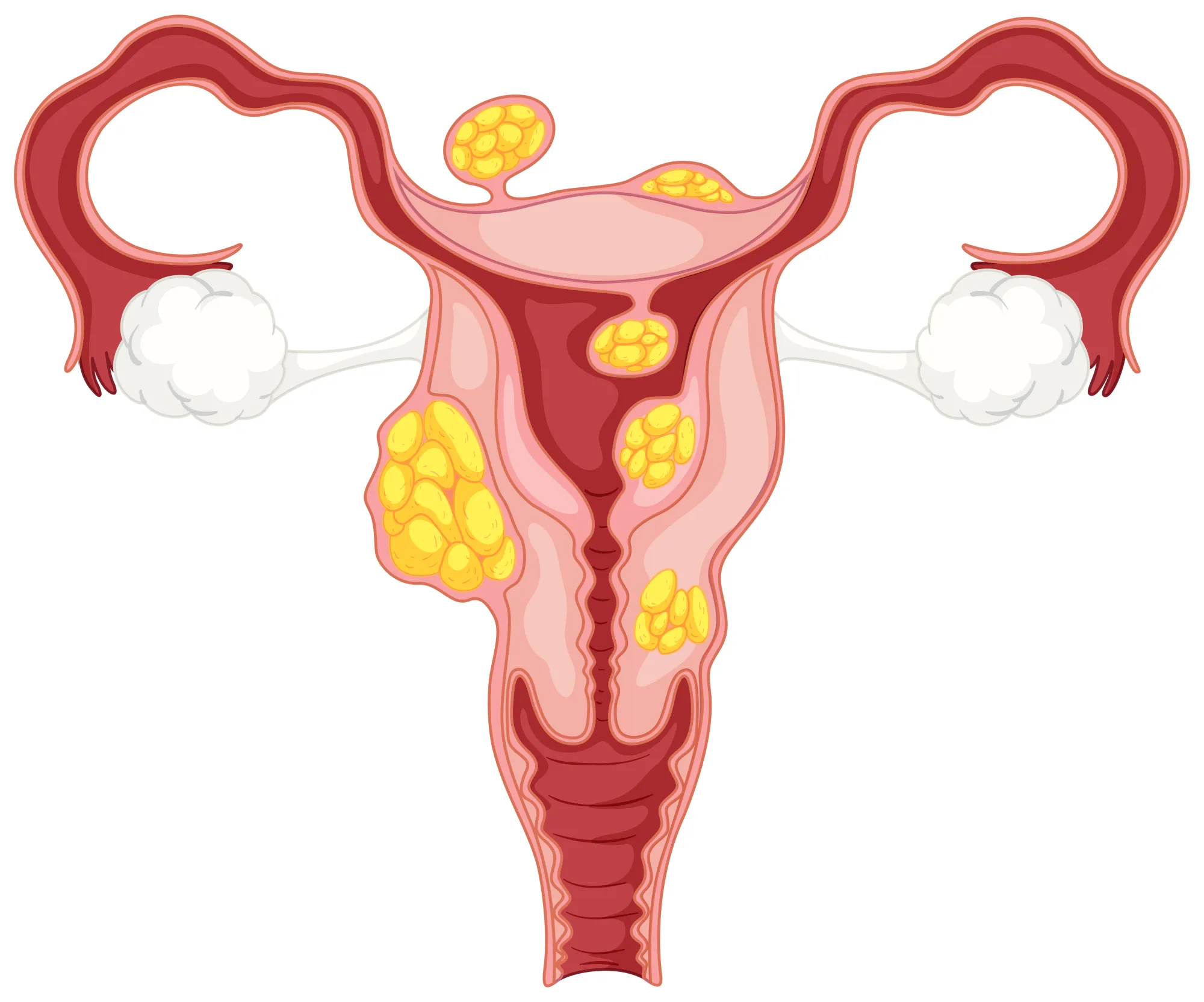
Adenomyosis develops when tissue similar to the uterine lining grows into the muscular wall of the uterus. This can affect the structure of the uterus and contribute to inflammation, enlargement, and uncomfortable symptoms.
The condition can affect women differently. Some may experience only occasional discomfort, while others may have symptoms that interfere with work, sleep, exercise, or social activities.
Signs may include:
- Very heavy menstrual bleeding
- Periods that last longer than usual
- Painful menstrual cramps
- Pelvic aching or pressure
- Abdominal fullness or bloating
- An enlarged uterus
- Fatigue associated with significant blood loss
Because these symptoms may overlap with other uterine conditions, an accurate diagnosis is an important part of treatment planning.
When Symptoms Become Difficult to Manage
Treatment often begins with approaches designed to control symptoms. However, not every patient receives enough relief from medication.
If symptoms continue to affect quality of life, a healthcare provider may discuss additional options. The recommended treatment can depend on the severity of the condition, imaging results, previous therapies, overall health, and the patient's personal goals.
For some women, a minimally invasive procedure may provide another option to consider before moving toward more extensive surgery.
How Uterine Artery Embolization Is Performed
During the procedure, a specialist uses imaging guidance to navigate a thin catheter through an artery toward the blood vessels supplying the uterus.
Small particles are then introduced through the catheter to reduce blood flow to selected areas of uterine tissue.
The reduction in blood supply can affect abnormal or enlarged tissue and may help decrease symptoms over time. Since the procedure is performed through a small access point rather than a large abdominal incision, it is considered minimally invasive.
The specific technique and treatment plan are determined according to the patient's anatomy, diagnosis, and imaging findings.
Potential Reasons Patients Explore This Option
Patients who are appropriate candidates may appreciate several aspects of a minimally invasive approach.
Potential advantages may include:
- Treatment through a small catheter
- No large abdominal incision
- Preservation of the uterus
- Potential reduction in heavy menstrual bleeding
- Possible improvement in pelvic pressure and discomfort
- Avoidance of physically removing the uterus
These potential benefits should be weighed against the possible risks and limitations. A specialist can provide individualized guidance based on the patient's medical history and treatment objectives.
What to Expect After the Procedure
The initial recovery period can involve temporary pelvic cramping or discomfort. Some patients may also experience tiredness, nausea, or other short-term effects.
Following post-procedure instructions is important. Your healthcare team may provide recommendations regarding medication, physical activity, exercise, work, and follow-up appointments.
Symptom changes may occur gradually rather than immediately. As the treated tissue responds to the reduction in blood supply, some patients may notice improvements in bleeding or pelvic symptoms over time.
Finding the Right Treatment Approach
There is no universal treatment plan for adenomyosis. A specialist may assess several factors before recommending a particular option.
These can include:
- The severity and duration of symptoms
- Menstrual bleeding patterns
- Previous treatment attempts
- Medical history
- Physical examination
- Imaging findings
- Individual treatment preferences
This evaluation can help determine whether a minimally invasive procedure, medication, surgery, or another treatment approach is most appropriate.
Women experiencing persistent heavy bleeding or pelvic discomfort should seek medical evaluation rather than assuming these symptoms are simply part of a normal menstrual cycle.
Questions Patients Should Consider
Before deciding on treatment, it can be helpful to ask your specialist:
What is causing my symptoms?
Understanding whether adenomyosis or another uterine condition is responsible can guide treatment decisions.
What options are available to me?
Depending on the diagnosis, several medical and procedural approaches may be available.
Would a minimally invasive procedure be appropriate?
Your imaging results, symptoms, and overall health can help determine whether you may be a candidate.
What should I expect during recovery?
Knowing the anticipated recovery process can help you plan your return to normal activities.
What are the possible risks and benefits?
A specialist can explain the potential outcomes and limitations specific to your situation.
Moving Forward With Informed Care
Living with persistent uterine symptoms can be frustrating, particularly when they begin interfering with everyday activities. Getting an accurate diagnosis and understanding the available treatment options can make it easier to participate in decisions about your care.
USA Fibroid Centers provides access to specialists who can evaluate uterine conditions and discuss potential treatment approaches based on individual circumstances.
If heavy menstrual bleeding, pelvic pain, or pressure is affecting your quality of life, consider speaking with a qualified specialist. A personalized evaluation can help you understand your condition and determine whether a minimally invasive treatment option may be suitable for you.
























Sign in to leave a comment.