

For most of the last decade, Adobe Commerce was the default choice for ambitious ecommerce brands that wanted full control over their storefront. In 2026, that default is being questioned more openly than ever. A steady stream of merchants, from mid-market DTC brands to enterprise sellers, are actively evaluating a move to Shopify Plus, and the reasons behind that shift are less about hype and more about operational reality.
The State of Adobe Commerce in 2026
Adobe Commerce 2.4.4 reached end of support in April 2026, pushing many stores still running that version toward an upgrade decision regardless of whether they intended to replatform. At the same time, self-hosted infrastructure costs, hosting, patching, PCI compliance, and the engineering hours needed to maintain all of it, have continued climbing relative to managed alternatives. For a lot of businesses, this year simply forced a decision that had been postponed for a while.
Top Reasons Businesses Are Switching to Shopify Plus
Rising Cost of Self-Hosted Infrastructure
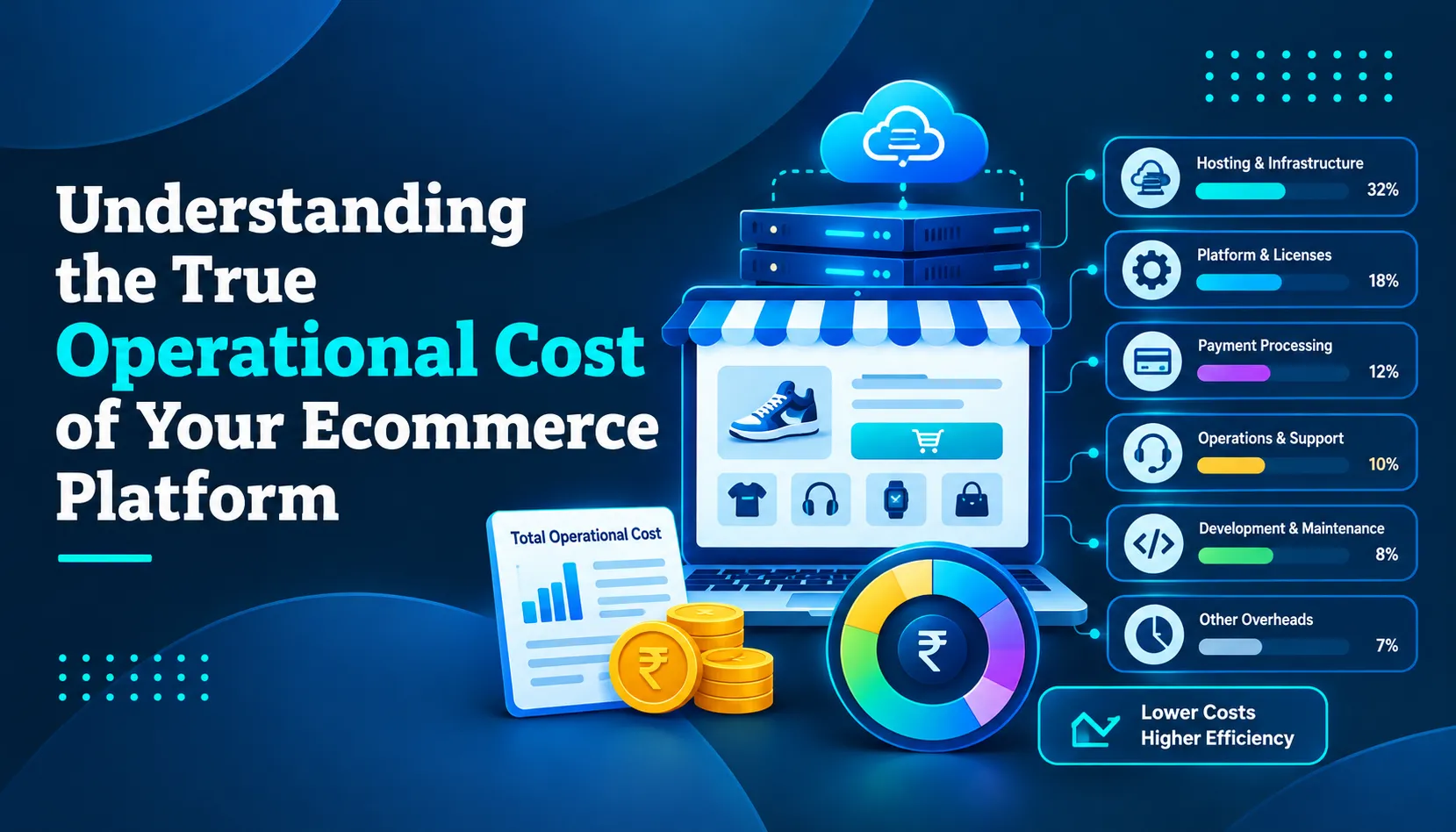
Total cost of ownership is often the first number that triggers the conversation. Once hosting, security patching, and developer time are added up, self-hosted Magento frequently costs several times more per month than Shopify Plus's managed pricing for a comparable store. A closer look at what's driving this shift in 2026 shows cost has consistently ranked as one of the top two triggers across the migrations tracked this year.
End of Support for Older Adobe Commerce Versions
Running an unsupported platform version means no more security patches, which is not a risk most businesses are willing to carry indefinitely. For stores still on 2.4.4 or earlier, the upgrade-or-migrate decision has become unavoidable rather than optional.
Developer Dependency Slowing Down Growth
Adobe Commerce customizations often require developer involvement for even routine storefront changes, from adjusting a promotion to updating checkout copy. That dependency slows down marketing and merchandising teams who need to move quickly, especially around seasonal campaigns.
Need for Faster Feature Releases
Shopify Plus's app ecosystem lets many features get added through configuration rather than custom development. For teams used to multi-week Adobe Commerce release cycles, that difference in speed is one of the more immediately visible benefits after switching.
Built-In Scalability During Peak Traffic
Traffic spikes during major sales events have historically been a stress point for self-hosted Magento stores, requiring careful server scaling in advance. Shopify Plus handles that scaling automatically as part of the managed platform, removing a recurring source of pre-holiday anxiety for ecommerce and engineering teams alike.
Who Is Making This Switch
Mid-Market DTC Brands
Direct-to-consumer brands with relatively standard catalogs are often the fastest movers, since their Adobe Commerce customizations tend to be lighter and their infrastructure costs are proportionally higher relative to revenue. For these businesses, the switch typically pays for itself within a year or two through reduced hosting and maintenance spend.
Enterprise and B2B Sellers
Larger and B2B-focused sellers have historically been slower to move, largely because Adobe Commerce's native B2B tools were more mature. That gap has narrowed significantly.
What's Changed for B2B on Shopify Plus
Shopify Plus now supports company accounts, custom price lists, and quantity-based pricing natively, covering most standard wholesale scenarios without custom development. A detailed comparison of Shopify Plus and Magento for B2B needs is worth reviewing for businesses still deciding whether their specific quoting and approval workflows are covered, since some highly complex configurations still favor Adobe Commerce.
What's Driving Hesitation for Some Businesses
Not every business is moving quickly, and that hesitation is often reasonable rather than resistance to change. Deep custom functionality built over years, complex multi-store or multi-currency setups, and heavy reliance on Magento-specific extensions all add real migration complexity. Businesses in this position tend to benefit from a phased evaluation rather than a rushed decision, since rebuilding years of customization takes genuine planning time.
How Businesses Are Approaching the Transition
The businesses that migrate smoothly tend to follow a similar pattern: a full audit of the existing store, a clear-eyed budget based on actual complexity rather than a generic estimate, and a realistic timeline set before any technical work begins. Reviewing a detailed migration checklist upfront helps surface dependencies early, and understanding typical project timelines prevents the kind of scope creep that turns a planned three-month project into a six-month one.
Budget conversations tend to go smoother, too, when they start from realistic cost ranges for the specific complexity involved rather than a single industry-wide figure, since a straightforward catalog and an ERP-integrated enterprise store sit on very different price points for essentially the same platform switch.
Why the Right Migration Partner Matters
Because so many pieces of a migration depend on each other data mapping, integration planning, SEO redirects, and testing, a misstep in one phase tends to affect everything downstream. This is where working with a team that offers dedicated Adobe Commerce to Shopify Plus migration services makes a real difference, since an experienced partner can flag which customizations map cleanly to Shopify apps and which genuinely need custom rebuilding before the project starts, rather than discovering it mid-migration.
Conclusion
The move from Adobe Commerce to Shopify Plus is being driven by a fairly consistent set of factors this year: rising infrastructure costs, shrinking support windows, and a growing gap in release speed between the two platforms. Whether a business should switch now, in six months, or later still depends on its own complexity and readiness, but the underlying economics are pushing more merchants to at least seriously evaluate the move. Businesses ready to explore what that evaluation looks like for their own store can start the conversation with Krish TechnoLabs' migration team.

























Sign in to leave a comment.