Why Nursing Colleges Need Advanced Nursing Skills Lab Equipment in Tamil Nadu

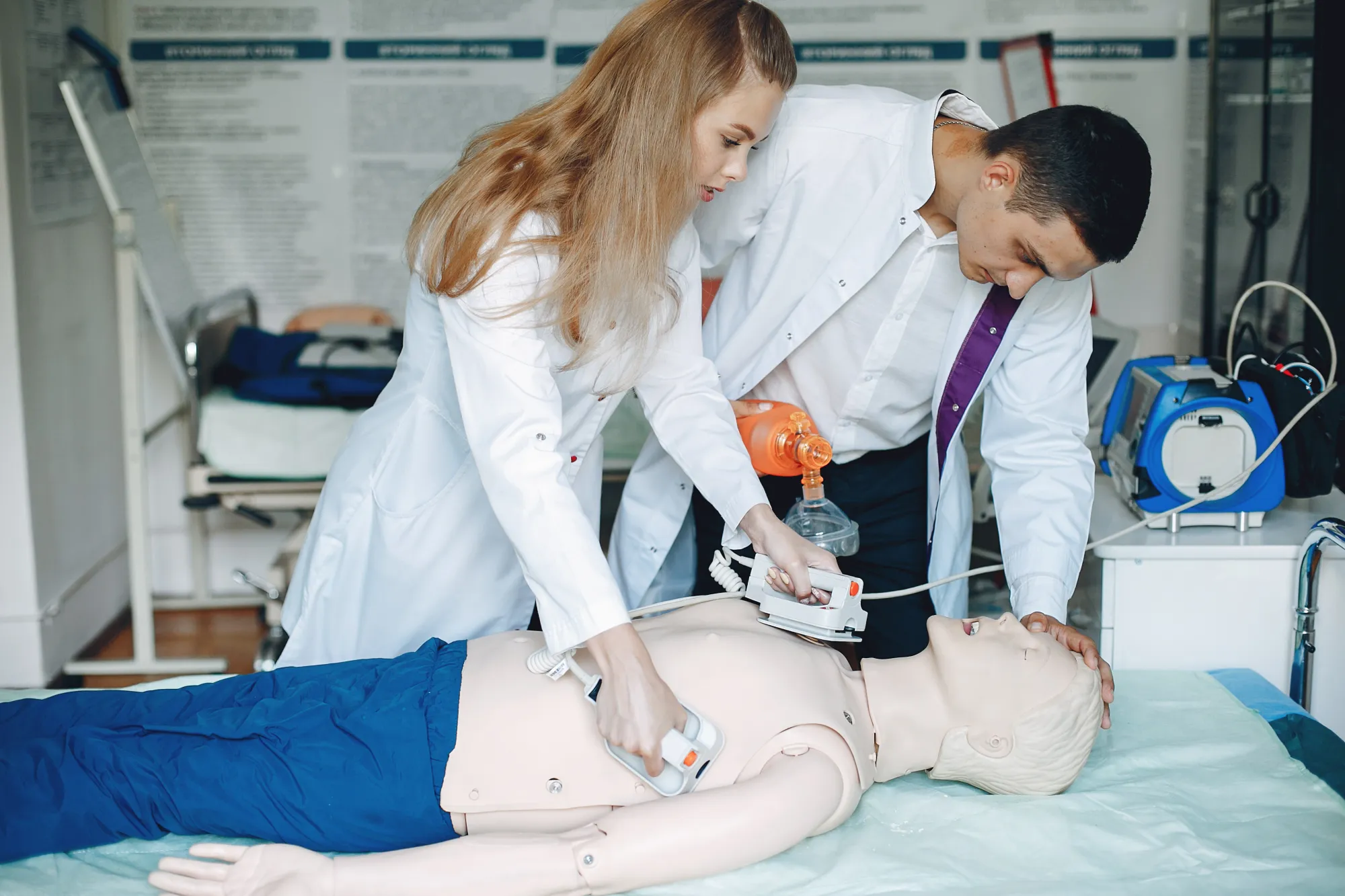
Nursing education is becoming increasingly focused on practical learning, clinical confidence, and safe patient care. For nursing colleges, having the right laboratory infrastructure is essential for giving students meaningful hands-on experience before they enter hospitals. Advanced Nursing Skills Lab Equipment in Tamil Nadu helps colleges create realistic training environments where students can practise essential procedures under faculty supervision. From basic patient care to advanced clinical techniques, a well-equipped skills lab supports structured learning for B.Sc Nursing, GNM, ANM, and other healthcare programmes.
The Growing Importance of Practical Nursing Education
Nursing students need more than theoretical knowledge to become competent healthcare professionals. They must learn how to assess patients, perform procedures, communicate effectively, follow infection-control practices, and respond appropriately to clinical situations.
A modern nursing skills laboratory provides a controlled environment where these abilities can be developed. Students can practise procedures repeatedly without putting real patients at risk. Faculty members can demonstrate techniques, observe performance, correct mistakes, and provide immediate feedback.
This approach helps bridge the gap between classroom teaching and actual clinical practice.
What Makes Advanced Nursing Lab Equipment Important?
Traditional teaching aids are useful for introducing basic concepts, but advanced equipment can provide a more realistic learning experience. High-quality training manikins and simulation models allow students to understand anatomy, practise procedures, and develop proper hand coordination.
Depending on the requirements of the institution, a nursing skills lab may include:
- Adult nursing manikins
- Male and female nursing manikins
- CPR and resuscitation manikins
- Pediatric and neonatal manikins
- Obstetric and maternity training models
- IV training arms
- Injection and wound-care models
- Airway management manikins
- Catheterization training models
- Patient-care simulation models
- Trauma and emergency-care manikins
- Vital-sign assessment training equipment
Selecting equipment according to the curriculum allows colleges to make better use of their laboratory space and training budget.
Supporting B.Sc Nursing, GNM and ANM Training
Different nursing programmes require different levels of practical training. A well-planned skills lab should therefore support the procedures students are expected to learn during their academic programme.
For B.Sc Nursing students, advanced simulation equipment can support training in areas such as medical-surgical nursing, child health nursing, mental health nursing, community health nursing, and maternal care.
GNM and ANM students also benefit from practical models for learning patient care, injections, dressing, basic assessment, maternal and child care, and emergency procedures.
With appropriate Nursing Skills Lab Equipment in Tamil Nadu, colleges can organise practical sessions around specific competencies instead of relying only on demonstrations.
Building Clinical Confidence Through Repeated Practice
One of the biggest advantages of simulation-based learning is repetition. Students may initially feel nervous while performing an unfamiliar procedure. Practising on a manikin allows them to repeat the process until they understand each step.
For example, a student can practise positioning a patient, checking vital signs, administering an injection, performing CPR, or managing an airway in a supervised environment.
Repeated practice helps students become more comfortable with clinical procedures. Faculty can also identify areas where students need additional guidance before they begin performing similar procedures during clinical postings.
Creating a Safer Learning Environment
Patient safety is an important part of modern healthcare education. Students should have opportunities to develop their skills before performing procedures on actual patients.
Simulation equipment provides a safe environment for practising techniques and understanding potential errors. Faculty members can demonstrate the correct procedure and explain why each step matters.
This can help students develop habits related to:
- Hand hygiene
- Infection prevention
- Patient positioning
- Proper communication
- Equipment handling
- Procedure sequencing
- Emergency response
- Safe disposal practices
A strong skills lab therefore contributes not only to technical knowledge but also to a culture of safe patient care.
Choosing the Right Equipment for a Nursing College
Investing in nursing laboratory equipment should begin with a clear assessment of institutional requirements. Colleges should consider their student strength, available laboratory area, academic programmes, faculty requirements, and practical curriculum.
Equipment quality is another important consideration. Training models should be durable enough for repeated classroom use and designed to support the procedures students need to practise.
Colleges should also consider usability, maintenance, availability of accessories, training support, and after-sales service when evaluating equipment suppliers.
Instead of selecting products simply because they have advanced features, institutions should focus on whether the equipment genuinely supports their teaching objectives.
Designing an Effective Nursing Skills Lab
Advanced equipment is most effective when combined with proper laboratory planning. A nursing skills lab can be divided into different training zones according to the procedures being taught. For example, one section can be used for basic nursing procedures, another for CPR and emergency training, and separate areas can be created for maternity, pediatric, or specialized clinical practice. Adequate storage, workstations, demonstration areas, lighting, ventilation, hygiene facilities, and organised equipment placement can make practical sessions more efficient. Faculty members should also develop structured practice sessions so that students understand the learning objectives, procedure steps, safety precautions, and assessment criteria.
Improving Teaching and Assessment
A modern skills lab can also support competency-based assessment. Faculty members can observe students while they perform procedures and assess them against predefined criteria. This makes it easier to identify whether a student understands the procedure or simply remembers its theoretical steps. Simulation-based assessment can cover areas such as patient communication, clinical preparation, technical performance, infection control, documentation, and emergency response. As a result, nursing colleges can use their laboratory not only for demonstrations but also for structured practice, evaluation, remediation, and competency development.
A Long-Term Investment in Nursing Education
For nursing colleges in Tamil Nadu, investing in advanced laboratory infrastructure can provide long-term educational value. Well-selected equipment can be used across multiple batches of students and different academic programmes. More importantly, a properly equipped skills lab can strengthen the connection between theory and practice. Students get the opportunity to learn by doing, receive faculty feedback, repeat procedures, and develop greater confidence before entering real clinical environments.
Conclusion
A modern nursing skills laboratory is an essential component of effective practical nursing education. Advanced Nursing Skills Lab Equipment in Tamil Nadu enables colleges to provide structured, realistic, and supervised clinical practice while supporting patient-safety principles. From adult and pediatric manikins to CPR, maternity, IV, airway, and trauma training models, the right equipment can make practical education more engaging and competency-focused. For institutions planning or improving their laboratory infrastructure, choosing reliable Nursing Skills Lab Equipment in Tamil Nadu based on curriculum requirements, student capacity, quality, durability, and training needs can help create a more effective learning environment. A thoughtfully designed skills lab ultimately gives nursing students the practical foundation and confidence they need for responsible clinical practice.



Sign in to leave a comment.